Britain's High Streets: A Barometer of National Decline and Political Discontent
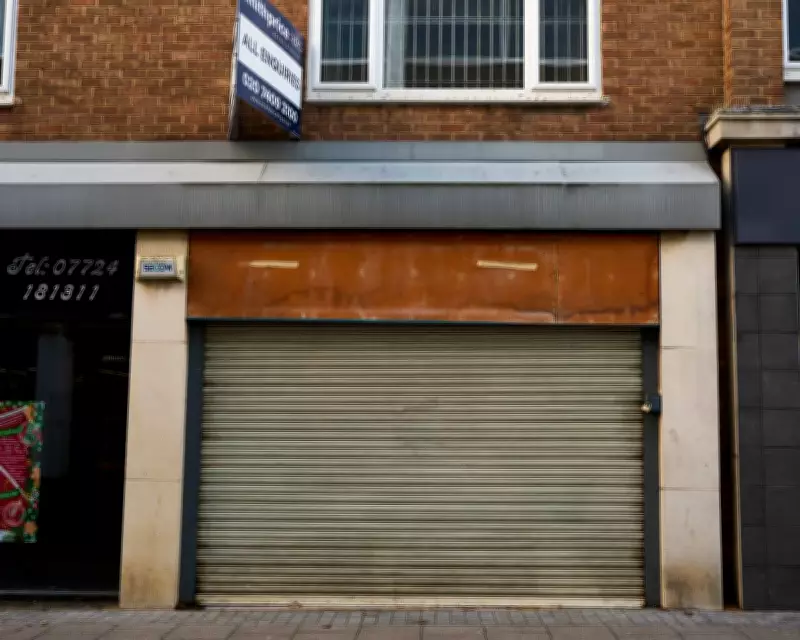
Abandoned and shuttered shops are becoming an increasingly common sight on high streets across the United Kingdom. This visible decline serves as a stark indicator of broader economic and social challenges, transforming town centres into symbols of a nation grappling with change.
The Accelerating Decline of Retail Hubs
Recent analysis highlights a significant reduction in retail outlets since 2019, with thousands of shops closing their doors permanently. Traditional stores are frequently being replaced by services such as vape shops, barbers, and fast-food outlets, while essential amenities like public toilets and cash machines disappear. This shift contributes to a growing perception that town centres are struggling to maintain their vitality and purpose.
Guardian investigations have uncovered that the hollowing out of high streets cannot be attributed solely to the rise of online shopping. The long-term effects of the financial crisis, which led to the collapse of major firms like Woolworths and BHS, continue to reverberate. However, the undeniable impact of digital retail, accelerated during the pandemic, has reshaped consumer behaviour and further strained physical retail spaces.

Political Implications and Voter Sentiment
The state of the high street has emerged as a critical political issue, with voters ranking the improvement of shopping precincts as the third most important local concern, behind only healthcare and crime. This concern is particularly pronounced among supporters of Reform UK, who are more likely to report that their high streets have deteriorated.
High streets hold a peculiar place in British life, often serving as a barometer for whether people feel their area is progressing or regressing. When shops board up, banks vanish, and footfall declines, it fosters a sense of neglect and indifference from Westminster. This visible decay has become a powerful tool for political narratives, with figures like Nigel Farage leveraging it to critique current conditions.
Case Study: Newton Aycliffe and Systemic Challenges
The town of Newton Aycliffe exemplifies the systemic issues plaguing many high streets. Once a symbol of Labour's "red wall," it now grapples with absentee landlords charging high rents, a lack of local investment, and a local authority constrained by limited resources and power. The result is a paralysis where decline is evident but solutions are elusive.
Residents express shame over the state of their town centre, highlighting how high streets remain deeply tied to local pride and identity. Despite the shift towards online shopping and service-based economies, people still view the high street as representative of their community, often forming first impressions based on its appearance.
Policy Responses and Future Prospects
The government has introduced initiatives like the Pride in Place scheme, aimed at empowering councils and community organisations to take control of vacant buildings. However, critics warn that such measures risk being superficial, focusing on cosmetic improvements rather than addressing fundamental economic issues.
Some Labour MPs advocate for more radical reforms, such as granting councils the authority to allow temporary community use of empty units between long-term leases. The challenge lies in making tangible, visible changes quickly enough to counteract the daily reality of more boarded-up shops and closed banks.
The decline of high streets is politically dangerous not only due to its economic impact but also because of the rapid pace at which it is experienced. For voters, the high street serves as a shorthand for assessing whether things are improving or worsening, based on everyday observations rather than abstract statistics. Unless political leaders can demonstrate real progress, they risk ceding ground to narratives of decline crafted by opponents.