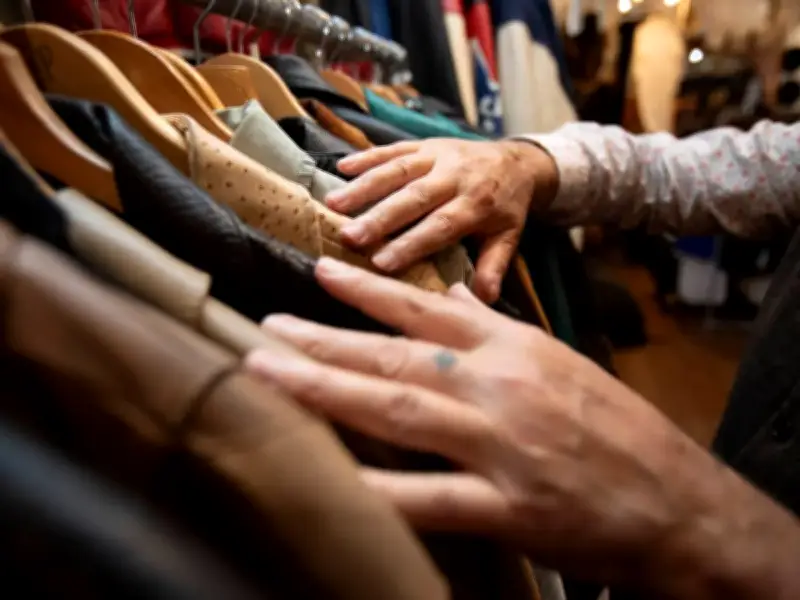
Almost half of Britons coordinate their clothing with their home furnishings, according to a new poll. The survey of 2,000 adults found that 49% have a preferred colour palette, which they apply to both their wardrobe and their living spaces, including bedding, sofas, and wall art.
Style coordination linked to happiness
For 51% of respondents, matching their style at home and in fashion is important for their own happiness. The reasons given include reflecting their personality (30%), bringing comfort and familiarity (22%), and creating a calmer environment (21%).
A spokesperson for Harlequin Watford shopping centre, which commissioned the research, said: "Fashion and interiors have always influenced one another, and it's fascinating to see how people are using both to express their personalities. The research shows that for many, personal style doesn't stop at the wardrobe door but extends into every corner of the home."
Celebrity inspiration and autumn plans
The study also revealed that one in four Brits are inspired by celebrities who carry their personal clothing aesthetic into their homes. Examples include the modern, neutral elegance of presenter Rochelle Humes' home, interior designer Kelly Hoppen's sophisticated taupes and creams, and the monochrome greys and silvers favoured by cleaning influencer Mrs Hinch.
Looking ahead, 17% of those polled are planning to upgrade both their wardrobe and home interiors this autumn, with an average combined budget of £820 set aside for fresh clothing and furnishings.
Shopping habits and retailer opportunities
When it comes to shopping, 35% prefer to shop with their partner, while 32% opt to go solo. The experience makes Brits feel excited (29%), optimistic (26%), and inspired (20%), though 17% feel overwhelmed. Key priorities for shoppers include a large choice of shops, well-maintained facilities, and pleasant places to eat and rest.
The spokesperson for Harlequin Watford added: "These findings also present a real opportunity for retailers, showing how closely customers connect their fashion and home choices. By recognising these crossover trends and helping shoppers discover complementary styles across different categories, retailers can inspire purchases, encourage exploration and make the overall shopping experience feel more relevant to how people want to express themselves."