Eddie Bauer Enters Chapter 11 Bankruptcy with Store Closures and Gift Card Deadline
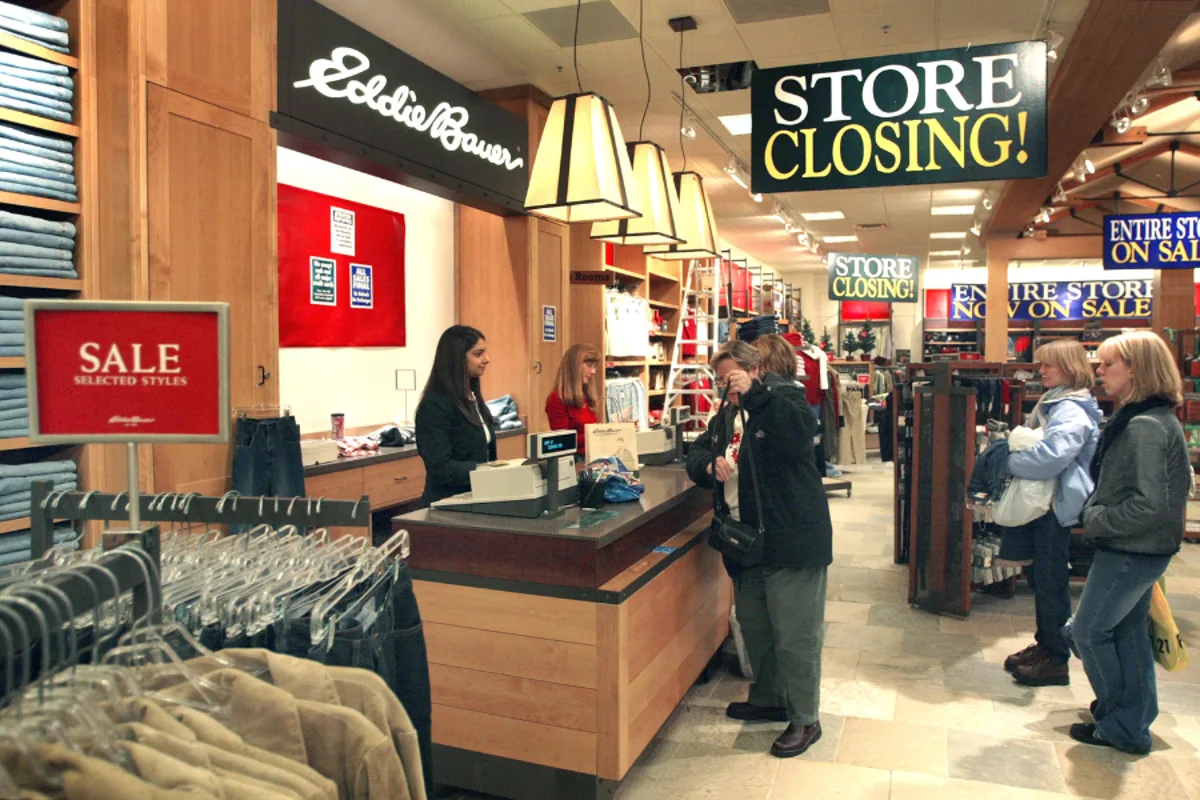
Eddie Bauer shoppers are facing a critical deadline, with less than two weeks remaining to use gift cards and loyalty rewards before the outdoor apparel retailer shuts down all its brick-and-mortar locations across North America. The company has filed for Chapter 11 bankruptcy protection, marking its third such filing in just over two decades, as it succumbs to mounting retail pressures.
Imminent Gift Card Expiration and Store Liquidation
According to Bloomberg, customers must redeem any outstanding Eddie Bauer gift cards and Adventure Points by March 12, 2026. After this date, unused cards will become worthless as the company proceeds with store closures. All sales during the liquidation period are final, with no returns accepted, as the retailer winds down its physical operations.
The bankruptcy documents, filed in US Bankruptcy Court in New Jersey and reported by the Business Journal, indicate that Eddie Bauer operates between 175 and 180 physical stores in North America. These locations are scheduled to close by April 30, 2026, unless a buyer emerges for some or all of them. This move does not affect the brand's online, manufacturing, or wholesale businesses, which are owned by Outdoor 5 and operate separately from the Chapter 11 process. Stores outside the US and Canada will also remain open, continuing normal operations.
Massive Lease Portfolio Hits the Market
As part of its bankruptcy proceedings, Eddie Bauer is marketing approximately 174 store leases totaling over 1.08 million square feet of retail space. Managed by RCS Real Estate Advisors, this portfolio includes 150 locations across 40 US states and 24 locations in six Canadian provinces. The stores are situated in a mix of retail environments, including established malls, lifestyle centers, and high-traffic corridors, with average sizes around 6,300 square feet.
Ivan Friedman, President and CEO of RCS Real Estate Advisors, stated in a release reported by the Rutland Herald, "As part of the Chapter 11 process, we are focused on maximizing value and identifying opportunities for landlords, retailers and other uses seeking quality retail space in proven trade areas." He emphasized that this portfolio represents a rare chance to secure legacy retail locations nationwide, with many leases in key markets such as California, Pennsylvania, Washington, Wisconsin, Minnesota, New York, Michigan, and New Jersey.
Leadership Cites Restructuring for Long-Term Viability
Marc Rosen, CEO of Catalyst Brands—the company holding the license to operate Eddie Bauer stores in the US and Canada—explained the decision in a recent news release. He described the bankruptcy filing as "not an easy decision" but necessary to optimize value for stakeholders and ensure Catalyst Brands remains profitable with strong liquidity and cash flow. This restructuring aims to streamline operations amid challenging retail conditions.
Eddie Bauer's bankruptcy is part of a broader trend in 2026, with several US retailers closing stores or filing for bankruptcy protection to focus on profitable divisions. For instance, last month, the parent company of Saks Fifth Avenue filed for bankruptcy, citing competitive pressures and debt from its acquisition of Neiman Marcus, and announced plans to close most Saks Off 5th locations.
A Storied History of Rise and Decline
Founded in 1920 in Seattle as Bauer's Sports Shop, Eddie Bauer built its reputation on innovative outdoor gear, including the patented Skyliner down jacket in 1936. The company supplied over 50,000 jackets and sleeping bags to the US military during World War II and gained national fame in 1963 by outfitting the first American to summit Mount Everest. After founder Eddie Bauer retired in 1968, the brand shifted toward casual apparel and underwent multiple ownership changes, including sales to General Mills and Spiegel Inc.
Following Spiegel's bankruptcy in 2003, the company reorganized and filed for bankruptcy again in 2009 before being acquired by Golden Gate Capital. In 2021, it was purchased by Authentic Brands Group and SPARC Group, which later merged with JCPenney to form Catalyst Brands. At its peak in 2001, Eddie Bauer operated nearly 600 stores, according to CoStar Group Inc., highlighting a significant decline from its once-iconic status.
This latest Chapter 11 filing underscores the ongoing struggles in the retail sector, as Eddie Bauer joins a growing list of brands restructuring to survive in an increasingly competitive market.