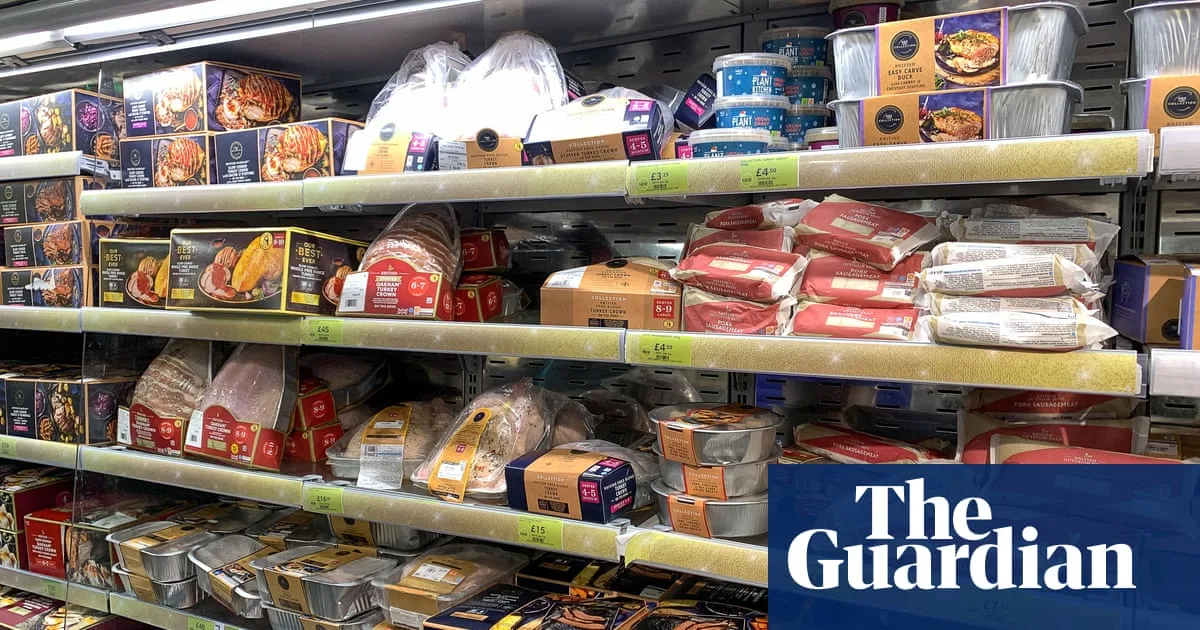
Marks & Spencer (M&S) has reported a strong Christmas performance, with food sales rising 8.9% and 23 December marking its biggest-ever day of food trading. However, the retailer warned it would need to cut costs to offset the impact of government tax increases.
The UK retailer said its food halls outperformed other high street grocers, according to Kantar data. Clothing, home and beauty sales grew by 1.9% in the 13 weeks to 28 December, despite a 2% decline in the overall clothing market before Christmas. Online revenues for these categories rose nearly 12%, but in-store sales fell 1.5% due to bad weather.
Chief executive Stuart Machin described the period as “another good Christmas for M&S,” but added: “We’re not complacent.” The company faces higher costs from changes to national insurance and the minimum wage, with national insurance changes alone adding £60m to costs. Machin called the tax changes a “double whammy on national insurance we didn’t plan for.”

M&S said it would focus on recruitment efficiency and improving store, distribution, and supply chain operations to offset costs. While food prices could be affected, the retailer aims to hold clothing prices steady and may accept lower profit margins if needed. The broader retail sector faces a £7bn cost increase in 2025, with food prices forecast to rise 4.2% in the latter half of the year.