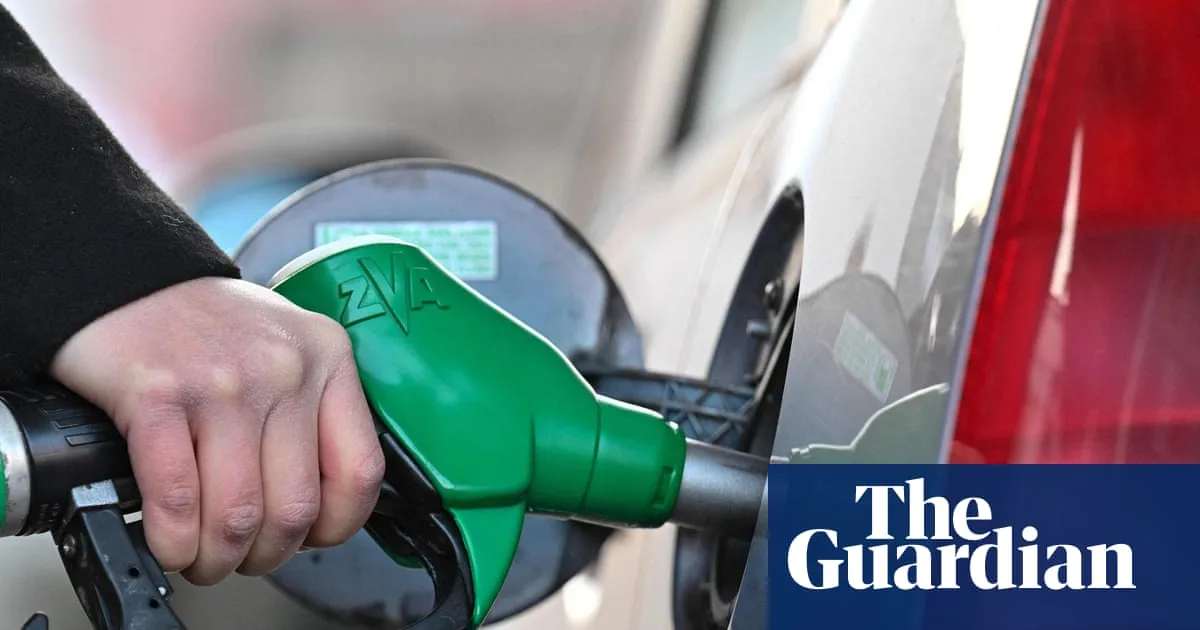
Motoring groups have accused Australian petrol retailers of using the US-Israel conflict with Iran as an excuse to raise prices, with Sydney motorists paying up to 25 cents more per litre than before the war began. Treasurer Jim Chalmers has asked the Australian Competition and Consumer Commission (ACCC) to monitor for profiteering.
The ACCC confirmed it had observed average retail petrol prices rising in several cities over recent days. NRMA and RACQ have alleged price gouging, as long queues form at service stations with motorists rushing to fill up before global crude oil price increases reach the bowser.
Industry estimates suggest the 15% jump in global oil prices since the start of missile strikes should take seven to ten days to affect Australian fuel costs. However, average city prices rose almost immediately, including an 8.4 cent increase in Brisbane and 7.5 cents in Melbourne since Friday.

NRMA spokesperson Peter Khoury said the rises were striking because they occurred at a time when prices should have been lower on a regular cycle. 'It's not normal – what's happened in the Middle East has affected prices almost immediately,' he said, urging the ACCC to name and shame profiteering retailers.
An ACCC spokesperson stated fuel prices are market-determined but warned that false or misleading statements about price increases would breach consumer law. Since mid-February, average wholesale petrol prices across the five largest cities have risen by around 8 cents per litre.
The price spike comes as Australians face a potential interest rate hike, with Reserve Bank Governor Michelle Bullock warning of a 'live' chance of an increase this month. Commonwealth Bank economist Belinda Allen noted that sustained oil price rises could add 0.1 percentage points to inflation per quarter, a marginal but concerning impact given already high inflation.