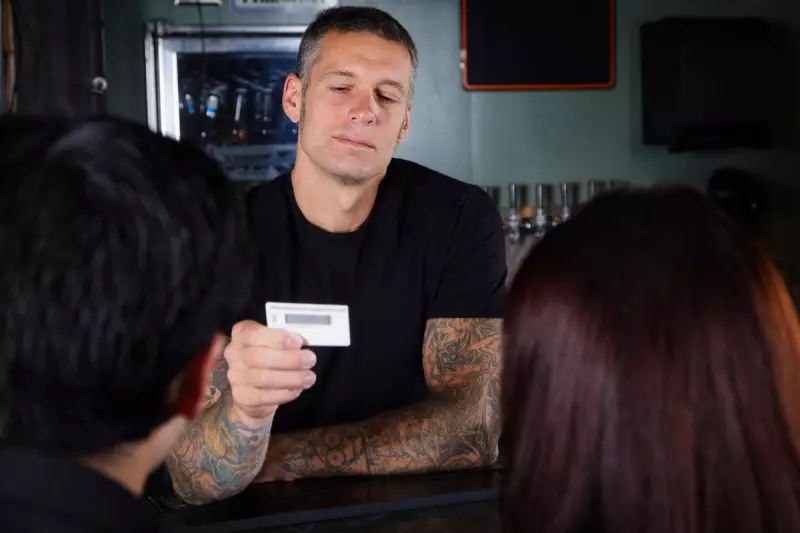
A significant tightening of alcohol regulations is set to take effect in the American state of Utah from the first day of 2026. The new legislation, which builds upon the state's already strict alcohol laws, introduces a novel identification system for certain offenders and broadens the requirement for ID checks.
Key Changes to Utah's Alcohol Regulations
Starting 1 January 2026, all patrons in Utah's bars and restaurants, irrespective of their age, will be required to present identification before they can be served an alcoholic drink. This universal ID check is one of the most visible changes for the general public.
However, the most striking new measure is the introduction of a specially marked driver's licence. Individuals convicted of what the law terms 'extreme driving under the influence' will have their standard licences replaced. The new document will feature a prominent red stripe and carry the label 'No Alcohol Sale'.

Defining 'Extreme DUI' and Judicial Discretion
The law defines an 'extreme' offence as driving with a blood alcohol content (BAC) of 0.16 percent or higher—double the state's standard legal limit of 0.08 percent. Other specified aggravating factors can also lead to this classification.
Judges will have the authority to order the alcohol-restricted, red-striped ID for less severe offences at their discretion. Furthermore, the legislation includes a provision for individuals who wish to abstain from alcohol to voluntarily obtain the marked identification.
Aim and Implications of the Legislation
The bill was sponsored by Republican state Representative Steve Eliason. Its primary objective is to create a more robust barrier, making it considerably harder for people who are legally restricted from consuming alcohol to purchase it. The clear visual marker on the licence is designed to be instantly recognisable to bartenders, servers, and shop clerks.
This legislative move represents one of the most direct attempts in the United States to physically link a DUI conviction with ongoing restrictions on alcohol access. It forms part of a wider package of new laws coming into force in Utah in 2026, signalling the state's continued commitment to a stringent approach to alcohol regulation and road safety.