
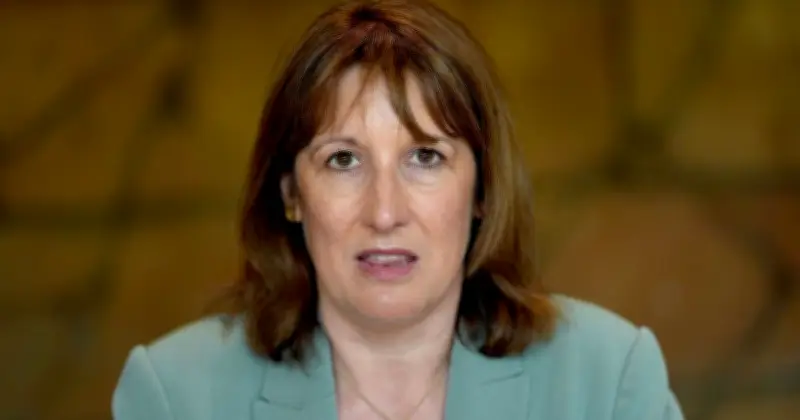
Chancellor Rachel Reeves is facing backlash over her proposed pay-per-mile tax for electric vehicles, with critics arguing the plan unfairly penalises workers who rely on their cars for commuting. The tax, set at 3p per mile, could add hundreds of pounds annually to the costs of those with longer journeys.
How the Tax Would Affect Commuters
According to analysis by motoring journalist Luke Chillingsworth, a worker commuting just five miles each way would clock an extra 2,400 miles per year. For those travelling 30 miles each way, the annual mileage could exceed 15,000 miles. At the proposed rate, this would mean an additional £450 per year for longer-distance commuters.
Chillingsworth argues that this disproportionately burdens those who work, stating: "Workers and commuters are the backbone of society. Why are we punishing those grafting, getting up at the crack of dawn to provide a living for their families?"
Rationale Behind the Policy
The government argues the pay-per-mile tax is necessary to offset the loss of fuel duty revenue as more drivers switch to electric vehicles. Currently, petrol and diesel drivers pay fuel duty at the pump, which is hidden in the final price. With EVs, there is no such levy, creating a shortfall in Treasury income.
However, critics say the optics are damaging. "It looks like politicians pushed electric cars onto the public with discounts and financial incentives only to turn on the tax tap when enough had swapped to EV motors," Chillingsworth wrote.
Unpopularity and Potential U-Turn
The policy is expected to be deeply unpopular, particularly among drivers who have already made the switch to electric vehicles. Chillingsworth notes that physically paying an EV charge directly to the Treasury "instantly feels more like a tax" compared to the embedded fuel duty paid by combustion engine owners.
Suggestions have been made to introduce discounts for workers to offset the extra travel costs, but such measures are considered unlikely under the current Labour government. The article concludes with a note of uncertainty: "If it even goes ahead. After all this Government loves a U-turn."




