
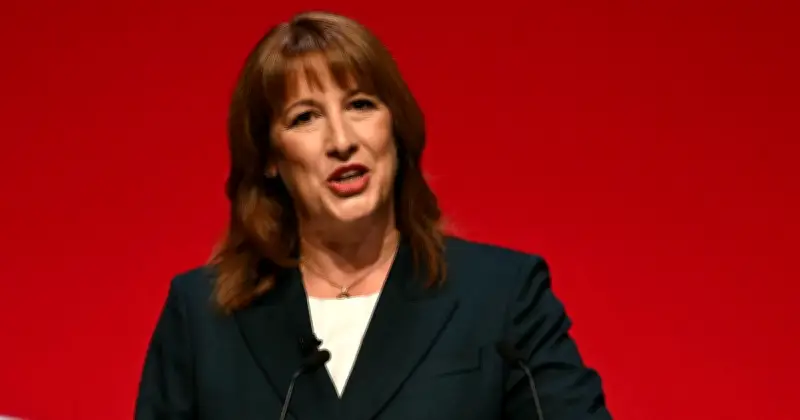
Rachel Reeves' controversial pay-per-mile car tax will rise above 3p per mile from April 2029, with rates increasing annually in line with inflation, the Treasury has confirmed. The 3p per mile charge for electric vehicles (EVs) and 1.5p per mile for hybrids will apply from April 2028, but only for the 2028/29 tax year. From 2029-30, the rates will be uprated annually by CPI inflation, meaning motorists will face higher costs each year.
Inflation-Linked Increases Confirmed
The Treasury report stated: "The government has confirmed the rate will be uprated in 2029-30 and in future years in line with CPI inflation, to ensure that the tax maintains its real-terms value." This mirrors existing policy for petrol and diesel cars, where Vehicle Excise Duty (VED) bills rise every April. The RAC also confirmed that rates for both electric and hybrid vehicles will rise with inflation from 2029 onwards.
While officials have not specified the exact rate from 2029, the move means the cost of owning an electric vehicle in the UK will gradually increase. A 3p per mile fee already equates to £300 per year for the average driver covering 10,000 miles, but this will rise with inflation.
Additional Tax Burdens on EV Owners
The pay-per-mile tax, known as eVED, will be applied on top of existing charges. EV owners already pay the standard £200 VED rate, and models with a list price over £50,000 incur an additional £440 per year "luxury" car tax. Just two years ago, electric cars were fully exempt from tax, a key incentive for switching to new models.
The Treasury justified the policy: "The UK is undergoing a significant transition to zero-emission vehicles. While drivers of petrol and diesel vehicles contribute to the public finances through fuel duty based on how much they drive, electric vehicle users do not currently pay an equivalent usage-based tax. As the number of electric vehicles on UK roads increases, the government is committed to ensuring that the motoring tax system remains sustainable in the long term and that all motorists make a fair contribution for their road use."




