
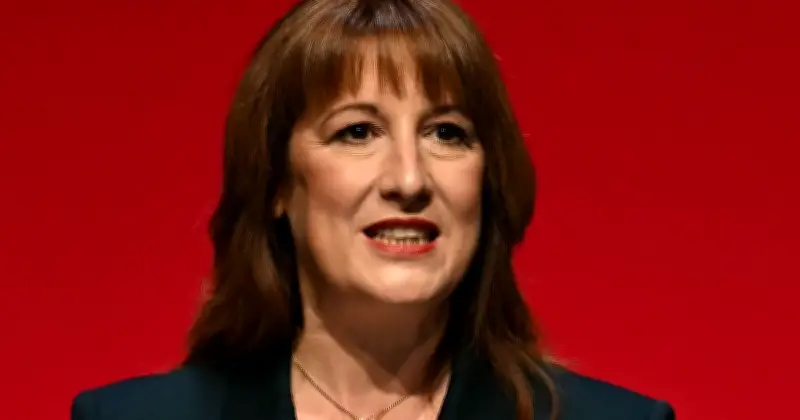
Chancellor Rachel Reeves has overseen a series of car tax increases since taking office, culminating in a £5,690 first-year Vehicle Excise Duty (VED) fee for the most polluting new cars. The charge, which has doubled under her tenure, is the largest single tax hike for drivers and comes as Reeves is expected to be replaced by Andy Burnham, with Shabana Mahmood the favourite to take over at the Treasury.
First-Year VED Doubled for High-Emission Cars
The biggest increase under Reeves was the doubling of first-year tax rates for brand new cars in 2025. For models emitting over 255g/km of CO2, the fee rose from £2,745 to £5,490. This spring, the charge increased again to £5,690. Cars emitting between 226 and 255g/km of CO2 saw their first-year rate jump from £2,340 to £4,680, plus an additional £170 rise to £4,850.
Treasury Justification and Revenue
Ahead of the April 2025 doubling, the Treasury stated the change would “increase the incentives towards new zero-emission cars at the point of purchase” and support the take-up of electric vehicles. Revenue from the higher fees was expected to generate £415 million in the 2025/26 tax year and £410 million in 2026/27, with funds directed to public services and infrastructure.
Standard VED and Other Tax Hikes
After the first year, owners revert to the standard VED rate, which has also risen under Reeves, now at £200 per year due to Retail Price Index (RPI) inflation. Additionally, Reeves has introduced higher “luxury” tax fees for electric cars and plans for a pay-per-mile charge from 2028. Drivers towing caravans also face fines of up to £2,500 this summer.




