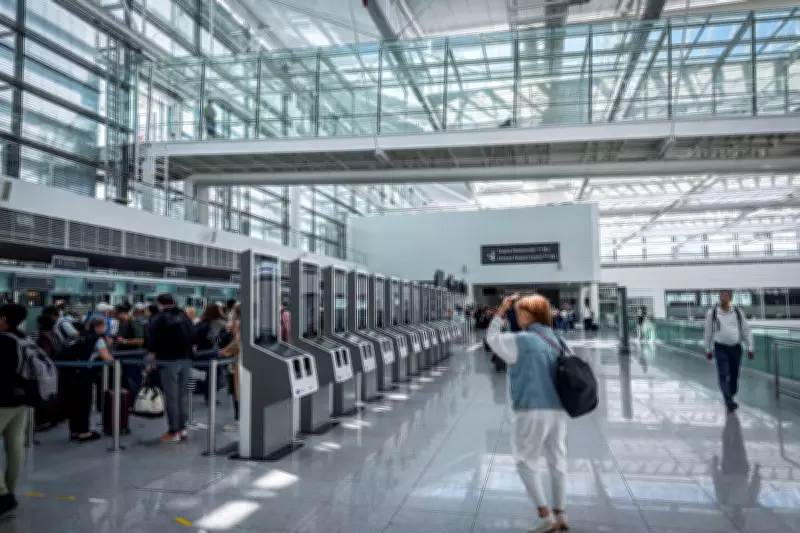
Portugal and Italy have confirmed they will not exempt British nationals from the European Union's entry-exit system (EES), according to the European Commission. This follows Greece's decision to suspend biometric checks for British tourists, sparking speculation that other nations might follow.
No Exemptions for British Travellers
The European Commission stated it had contacted both Portugal and Italy regarding EES implementation. The commission said: "The Portuguese and Italian authorities confirmed that they do not intend to exempt any nationality." This means British passport holders will continue to face fingerprint and facial biometric checks when entering these countries.
EES Rollout and Impact
Since 10 April, all Schengen area borders have been required to implement the EES for third-country nationals, including Britons, Australians, Canadians, and Venezuelans. The system registers biometric data on first entry. Greece, however, announced on 17 April that British passport holders are now exempt at its borders, aiming to "ensure a smoother and more efficient arrival experience."

The rollout has caused disruption, with 122 easyJet passengers left behind in Milan due to long queues in April. Similarly, Ryanair passengers missed flights from Milan Bergamo to Manchester because of passport control delays. A Ryanair spokesperson said: "Due to passport control delays at Milan Bergamo airport (16 April), a number of passengers missed this flight... Should these passengers have presented at the boarding gate desk before it closed, they would have boarded this flight."
As British travellers continue to face EES checks in Portugal and Italy, some are opting for alternative destinations. The situation remains fluid, with the European Commission emphasising uniform application across Schengen states.