
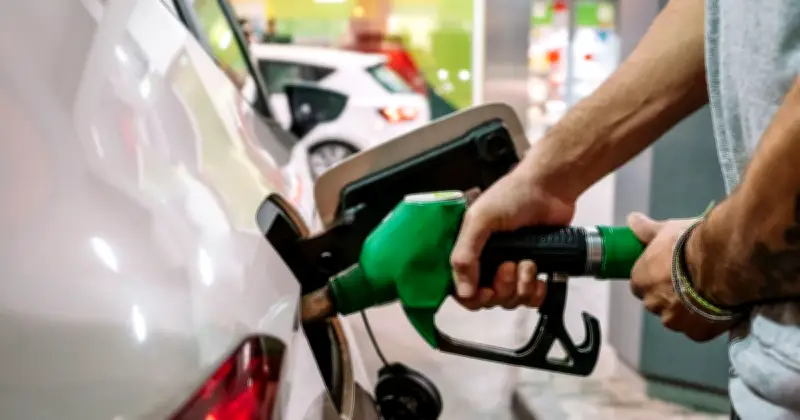
The DVLA has confirmed that petrol and diesel drivers registering new cars on or after April 1, 2026, will face first-year vehicle tax charges of up to £5,690, with an average cost of £1,410 for cars in the 151-170g/km CO2 emissions bracket. The rates, set by the Driver and Vehicle Standards Licensing Agency, apply to all new petrol and diesel cars based on their emissions.
First Licence Rate Bands and Costs
The first licence rate bands range from £10 for the lowest-emission vehicles to £5,690 for the highest. According to government data, the average CO2 emissions for new cars in the UK since 2022 is 111.4g/km, which would result in a first-year cost of £455. However, many cars fall into higher brackets. For the 131-150g/km band, the charge is £560, while the 151-170g/km band jumps to £1,410 for the first 12 months.
Standard Rate and Older Cars
After the first year, all petrol cars registered since April 1, 2017, drop to a standard rate. From April 2026, this rate increases from £195 to £200 per year, regardless of emissions. If paid by instalments, the total rises to £210. For cars registered between March 2001 and April 2017, the same emissions bracket (151-170g/km) costs £325.
RAC Breakdown of Charges
The RAC explains: “From April 1, 2026, the standard tax rate for all petrol, diesel or hybrid cars registered after April 1, 2017 rises to £200. If you pay for six months tax, it'll cost £110, or £105 if you opt to set up a direct debit. If you pay in 12 monthly instalments your total car tax cost will be £210.” For cars with a list price over £40,000 (or £50,000 for electric cars), an additional luxury car tax of £440 applies, bringing the annual cost to £640. Electric cars no longer qualify for free road tax; from April 2026, drivers of electric cars under a year old will pay the £200 flat rate.
Consumer Advice
Siobhan Doyle, a consumer writer at Carwow, said: “2026 is a big year for drivers because so many changes touch everyday life, from what you pay to how closely rules are enforced. Some updates are already in place, like the congestion charge increase in London, while others land later in the year, including fuel duty changes and Euro 7 rules. There are also road safety measures being discussed, but drivers should treat those as proposals until anything is confirmed. The simplest way to stay on the right side of the rules is to keep the basics watertight. Make sure your licence details are up to date and set reminders for your MOT, tax and insurance, because enforcement is becoming more automated and it’s easier than ever to get caught out.”




