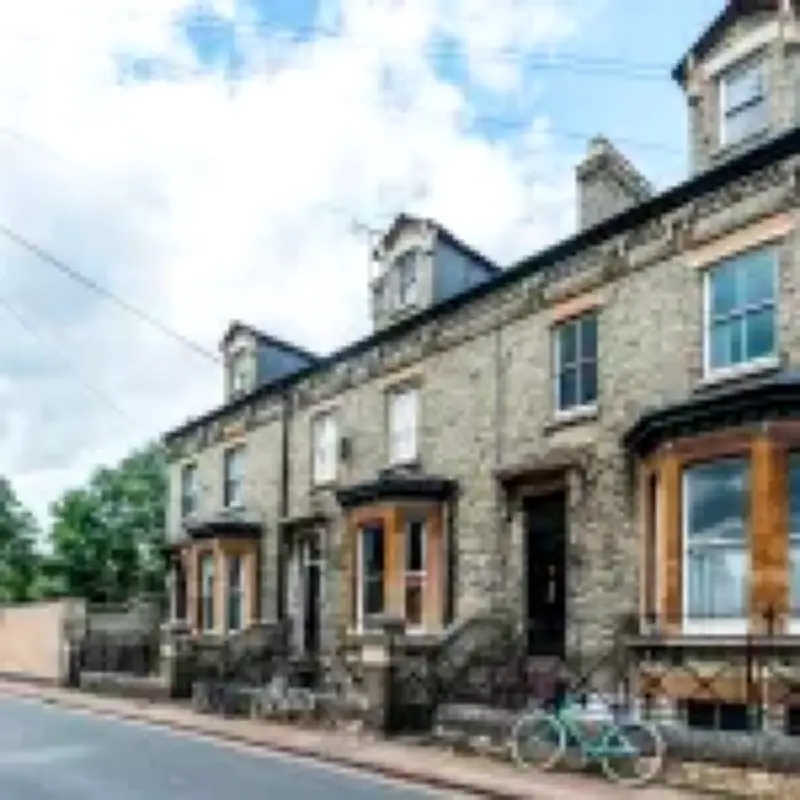
Cambridge has been named the worst UK city to be a landlord in 2026, according to new research. The study, conducted by Landlord Resource, analysed average monthly rent, typical house prices, and gross rental yields across UK cities.
In Cambridge, the average tenant pays £1,600 per month in rent, while the average home costs £408,709, resulting in a gross rental yield of just 4.7%. Oxford follows closely behind, with tenants paying £1,778 per month against an average property price of £424,755 and a yield of 5%.
London and the South East struggle
London ranks third, with an average monthly rent of £2,119, an average property price of £494,542, and a yield of 5.1%. However, some London boroughs fare better, including Barking and Dagenham (6.22%), Newham (6%), and Bexley (5.8%).
York (5.3%), Southend (5.5%), Brighton (5.5%), Reading (5.5%), Bristol (5.6%), Milton Keynes (5.7%), and Worthing (5.8%) complete the top ten lowest-yielding cities.
Northern cities offer better yields
The research highlights a north-south divide, with northern cities offering higher yields due to cheaper house prices. Sunderland tops the list with a yield of 9.3%, where average rents are £659 per month and the average home costs £85,000. Aberdeen (8.3%), Burnley (8.2%), Dundee and Middlesbrough (8.1%), and Hull (8%) also feature prominently.
Glasgow (7.8%) and Liverpool (7.7%) also offer relatively high yields. The average gross rental yield varies by region, from 7.9% in the North East to 5.1% in London.
Renters face ongoing challenges
The findings come against the backdrop of the Renters' Rights Act, introduced in May, which limits rent increases to once a year, ends Section 21 'no-fault' evictions, and bans bidding wars, among other measures.
For tenants, the housing market remains difficult. In London, 30.1% of properties are now private rentals, the highest percentage since 1971. A 2024 study by Shelter found that while more than 200,000 social rent homes were built in England in the mid-1950s, by 2023 to 2024, that number had fallen to just 10,000. The Right To Buy policy, introduced in 1980, has also transferred many council homes into private hands, with the New Economics Foundation finding that over four in ten council homes sold under Right To Buy are now owned by private landlords.