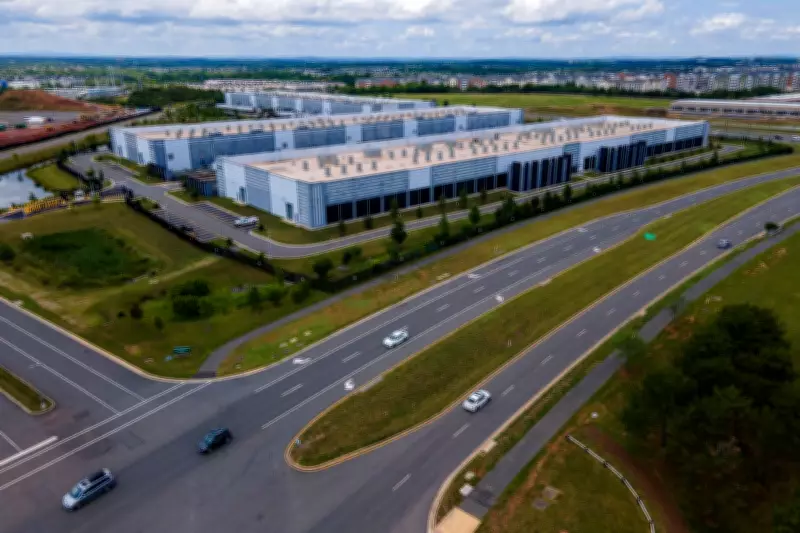
Virginia is grappling with a pivotal decision as its data center boom faces scrutiny from state officials. For nearly two decades, the Commonwealth has offered tech companies a lucrative tax break on equipment and software, fueling unprecedented growth and establishing Virginia as the world's largest data hub. However, amid rising concerns over noise, power grid strain from artificial intelligence demands, and national pushback, Virginia senators have voted to end a projected $1.6 billion annual tax break, requiring the industry to resume paying a minimum 5.3% sales tax.
Growing Opposition and Economic Warnings
The proposal has ignited fierce debate, with opponents warning it could halt data center construction in Virginia. Republican state Sen. Mark Obenshain remarked last month, "We have now left the 'NIMBY' phase: Not In My Backyard. And we've entered the 'banana' phase: Build Absolutely Nothing Anywhere Near Anything." This sentiment reflects broader anxieties as communities nationwide fight data centers in zoning meetings, politicians worry about AI's impact on household electricity bills, and lawmakers consider reducing or eliminating tax incentives.
Industry Investment and Political Infighting
According to the state tax department, the data center industry has invested over $80 billion in Virginia and created thousands of jobs in the past two years. Despite this, the Data Center Coalition, representing tech giants, argues the tax would "effectively halt investment." Recent developments, such as Amazon Data Services purchasing land from George Washington University in northern Virginia for a data center, underscore the industry's ongoing expansion.

The proposal's fate is uncertain, as it must pass the House and has caused infighting among Democrats ahead of a budget deadline. Gov. Abigail Spanberger's office expressed wariness about "going back on Virginia's commitments to businesses that have invested in the Commonwealth." In contrast, Democratic Sen. L. Louise Lucas, who chairs the finance committee and supports the tax proposal, retorted on social media, questioning budget priorities like teacher raises, health insurance assistance, and transit support.
National Trend of Rethinking Tax Breaks
Virginia's debate mirrors a national trend, with states reassessing data center tax breaks. In Minnesota, lawmakers removed sales tax exemptions on electricity for large data centers and imposed fees, while Washington state is advancing legislation to keep breaks for new centers but eliminate them for upgrades. Illinois Gov. JB Pritzker called for a two-year "pause" on tax breaks, citing rising electric bills, and Arizona Gov. Katie Hobbs seeks to end the state's sales tax exemption entirely, labeling it a "corporate handout." Bills to repeal breaks have also been introduced in Michigan and Georgia.
Bipartisan Support and Opposition
In Virginia, the move to end tax breaks won bipartisan Senate support, with 21 Democrats and seven Republicans voting in favor. Republican Sen. Richard Stuart argued, "This ain't going to slow this train down one iota," suggesting tech's rush to build would continue. However, opposition persists, with the International Brotherhood of Electrical Workers lobbying to protect data centers, warning that losing the industry would hit the economy hard.
As lawmakers negotiate the budget with a Saturday deadline, the outcome will shape Virginia's economic future, balancing job creation against environmental and fiscal concerns in an era of rapid technological advancement.