UK Construction Slump Deepens as Wet Weather Dampens Recovery Hopes
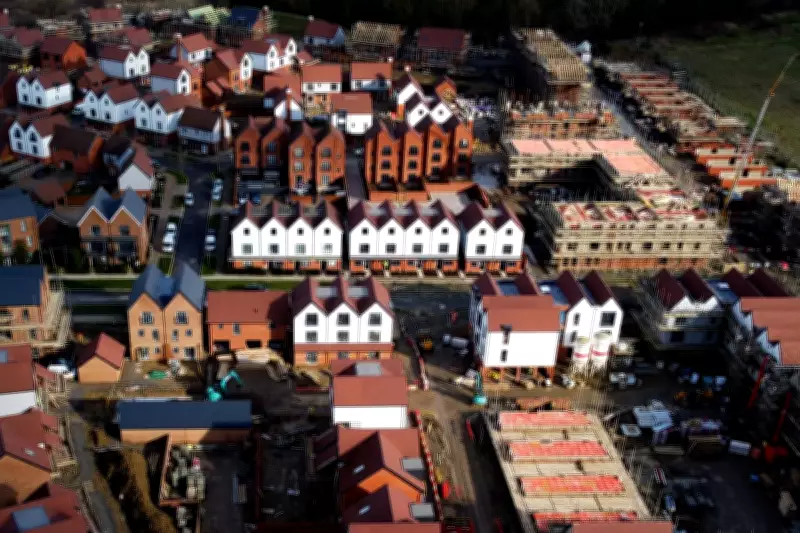
The UK's construction industry has suffered a significant setback, with its slump deepening last month following tentative signs of improvement at the start of 2026. Housebuilding remains a particularly weak area, while companies across the sector have pointed to exceptionally rainy weather as a major cause of project delays and disruptions.
Persistent Decline Across the Sector
The industry, which encompasses residential building, commercial construction, and civil engineering projects, has now been in decline for more than a year. The latest S&P Global UK construction purchasing managers' index (PMI) revealed a reading of 44.5 for February, down from January's seven-month high of 46.4. This marks the fourteenth consecutive month of falling activity across the construction sector.
Any PMI reading above the 50.0 threshold indicates expansion within the industry, while figures below 50 signal contraction. February's disappointing data represents a clear reversal of the fragile stabilisation observed in January, dashing hopes that builders were beginning to pull themselves out of the prolonged downturn.

Housebuilding Remains the Weakest Link
Residential construction continued to be the worst-performing sub-sector, recording a score of just 37.0 in February. The rate of decline in housebuilding actually accelerated compared to the previous month, highlighting the severe challenges facing this segment of the market. Commercial building, which includes offices and warehouses, also declined at a quicker pace, while civil engineering work saw a somewhat slower rate of contraction.
Businesses reported a sharp decline in new work orders during February, although there were some isolated reports of opportunities emerging in infrastructure and energy sector projects. The overall picture, however, was one of subdued demand and cautious client behaviour.
Weather Woes Compound Economic Challenges
Many construction firms specifically cited the wet weather throughout February as a key factor delaying work on sites across the country. Provisional figures from the Met Office indicate that this winter was the wettest on record for several counties, including Cornwall, Leicestershire, and the West Midlands.
Tim Moore, economics director at S&P Global Market Intelligence, commented: "A sharper downturn in house building was the main factor behind the setback for UK construction activity in February, following some signs of stabilisation at the start of 2026. The reduction in output was largely due to sluggish demand conditions, but some firms also noted that exceptionally wet weather had disrupted construction projects."
Cautious Optimism Amid Global Uncertainties
Despite the gloomy February data, there are glimmers of hope within the industry. Moore noted that construction firms were "hopeful of a turnaround" over the coming year, with optimism levels reaching a 14-month high last month.
However, external factors could further complicate the sector's recovery. Matt Swannell, chief economic adviser to the EY Item Club, warned: "In recent times, the PMI has provided a much too pessimistic reading on construction sector activity. This might worsen over the next few months, with corporate caution likely to rise as companies wait to see how the conflict in the Middle East progresses and monitor the implications for the price and availability of energy and other raw materials. The PMI could deteriorate further over the next few months if the conflict proves prolonged."
The construction industry now faces a complex recovery path, balancing domestic challenges like weather disruptions and weak housing demand against global geopolitical uncertainties that could impact material costs and business confidence.