Tesla's Dramatic Fall from Grace in the British Market
When Tesla first entered the mainstream UK automotive landscape in 2014, Elon Musk's revolutionary Model S represented a bold vision of the future. Priced at £49,900 for the entry-level version, the vehicle captivated consumers with its vegan leather seats, advanced software systems, and panoramic glass roof. The electric car appeared as a sophisticated status symbol for environmentally conscious middle-class drivers seeking cutting-edge technology.
From Status Symbol to Depreciating Asset
However, over the past decade, Tesla's reputation has undergone a remarkable transformation in Britain. The brand that once symbolized progressive innovation now faces significant image challenges. Early adopters who enthusiastically traded their petrol and diesel vehicles for Musk's electric vision have watched with growing concern as the world's wealthiest individual, valued at approximately £490 billion, has become increasingly embroiled in political controversies.
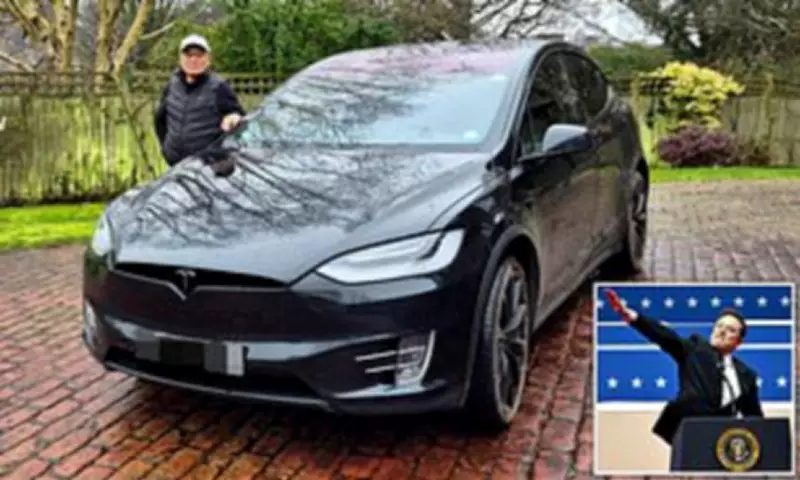
Current UK owners attempting to sell their electric vehicles report experiencing severe depreciation that has left many financially distressed. One seller from Kent describes feeling "distraught" while trying to secure a reasonable price for his Tesla Model X 90D, purchased for £60,000 just four years earlier. He directly attributes this value collapse to Musk's polarizing views and unconventional public behavior, which he believes have permanently tarnished the Tesla brand.

Financial Pressures and Policy Changes
The financial challenges extend beyond individual owner experiences. Tesla's corporate performance has shown concerning trends, with total revenue declining by 3 percent last year while profits plummeted by a dramatic 61 percent. Meanwhile, Chinese competitor BYD has flourished in the UK market, selling 44 percent more electric vehicles than Tesla during January alone.
Government policy changes have further complicated the landscape for electric vehicle owners. Chancellor Rachel Reeves introduced new mileage-based electric Vehicle Excise Duty charges in November's budget, scheduled to take effect from April 2028. This policy will cost average drivers approximately £250 annually. Additionally, London's congestion charge exemptions for electric vehicles have been substantially reduced, with pure battery-powered EVs now facing a £13.50 daily charge within the capital's restricted zones.
Owner Experiences and Market Realities
Retired venture capitalist Max Teh, aged 60 and residing in Tunbridge Wells, Kent, exemplifies the challenges facing Tesla owners. He purchased his "beloved" 2017-registered Model X 90D for £60,000 in 2022 but now fears receiving only one-third of that investment back. Despite the vehicle having just two owners, being garaged daily, and receiving exclusive Tesla servicing, valuation platforms like webuyanycar.com currently estimate similar models at approximately £11,500.
Teh, who describes himself as a "hardcore fan" having driven only Teslas for thirteen years, reports receiving disappointing offers around £16,000 through Facebook marketplace inquiries. He seeks approximately £26,000—less than half his purchase price and roughly a quarter of the vehicle's original value. The retiree directly connects this depreciation to Musk's political engagements, particularly referencing the CEO's controversial gesture during President Trump's inauguration parade last year.
Industry Perspectives and Shifting Consumer Sentiment
Ginny Buckley, chief executive of electric car advisory platform Electrifying.com, notes significant shifts in consumer attitudes. Her organization's research indicates that approximately two-thirds of potential car buyers now report being deterred from purchasing Teslas due to Musk's polarizing persona. Buckley observes that the brand's identity has become inextricably linked with its controversial CEO, creating challenges in the increasingly competitive electric vehicle market.

Registration data reveals concerning trends for Tesla in Britain. January figures from the Society of Motor Manufacturers and Traders show Tesla registrations plunging more than 50 percent compared to the same period in 2024, with only 718 vehicles entering UK roads versus 1,458 previously. Separate analysis by New Automotive places Tesla as the 20th most popular brand nationally, representing the most significant decline in electric-only sales among major manufacturers.
Strategic Shifts and Market Opportunities
Musk's corporate priorities appear to be shifting away from automotive manufacturing. In January, Tesla announced it would cease production of its iconic Model S and Model X vehicles, redirecting billions in investment toward artificial intelligence development and humanoid robotics through its Optimus project. This strategic pivot suggests the company may be less concerned with maintaining its automotive market position than pursuing technological frontiers.
Despite these challenges, some industry observers identify potential opportunities. Ben Spriggs-Coe, proprietor of Grosvenor Garage in Barnes, southwest London, suggests current market conditions might present bargain opportunities for used Tesla buyers. He notes that well-maintained models, particularly earlier versions with included free charging benefits, can offer excellent value—especially those that have already undergone battery replacements around the 70,000 to 80,000-mile mark.
Interestingly, Electrifying.com's research reveals a countervailing trend: approximately 26 percent of car buyers indicate they would be more likely to purchase a Tesla specifically because they align with Musk's political perspectives. This suggests the brand's polarization may attract certain demographic segments even as it repels others.
The UK electric vehicle landscape continues evolving rapidly, with Tesla's position becoming increasingly complex as policy changes, competitive pressures, and brand associations reshape consumer perceptions and market dynamics.