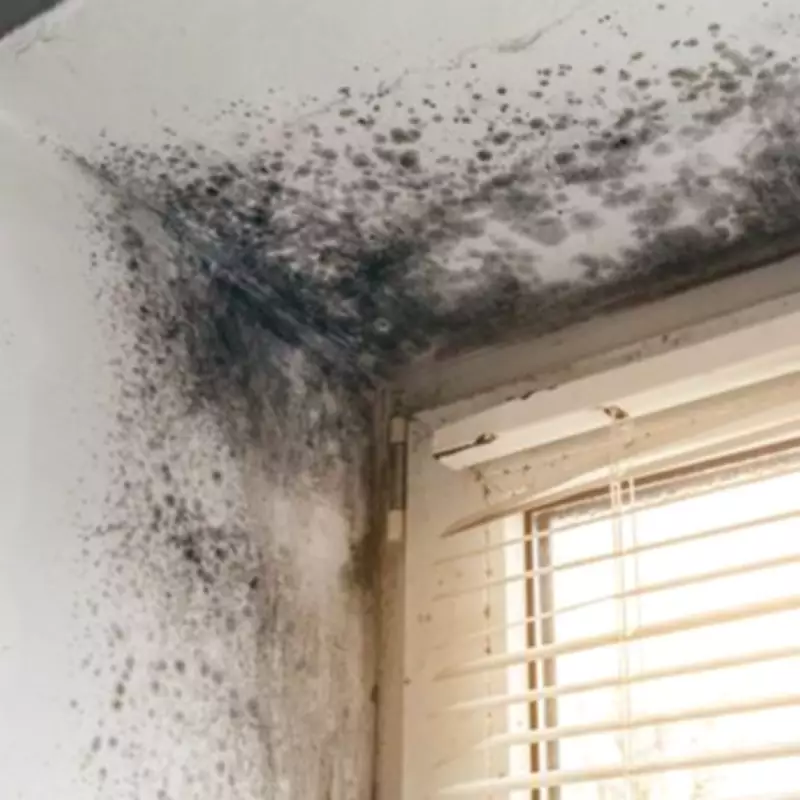
Mould remains a persistent and widespread issue in countless British households, particularly during the colder winter months when ventilation is often reduced. Many homeowners find themselves in a frustrating cycle of cleaning mould from walls and surfaces, only to see it reappear within weeks. According to property management specialist Alex Hughes from Letted, this recurring problem stems from a fundamental misunderstanding of what causes mould to thrive in the first place.
The Real Cause of Mould in Your Home
Alex Hughes explains that mould is not merely a surface-level nuisance that can be wiped away with cleaning products. Instead, it is a symptom of underlying environmental conditions within the home. "You can spray your walls or use popular social media hacks to remove visible mould, but it will inevitably return if you do not address the root cause," he warns. "Mould forms when the environmental conditions are conducive to its growth, which means simply treating the visible stains is like papering over cracks."
Why Traditional Methods Fail
Many households rely on common remedies such as bleach, vinegar, or specialised cleaning sprays to combat mould. However, these approaches often prove ineffective in the long term. Hughes emphasises that these methods focus solely on what is visible, without altering the humidity or surface conditions that allow mould to develop initially. "Home remedies do not change the humidity or surface conditions that permit mould to grow. If these conditions persist, mould will return, no matter how thoroughly you clean," he states.

Areas prone to mould growth include external walls, corners with limited airflow, and spaces behind large furniture where moisture can accumulate. Cooking, showering, and drying clothes indoors all contribute to elevated indoor humidity levels, creating an ideal environment for mould spores to flourish.
The Simple 10-Second Solution
To permanently prevent mould from returning, Hughes advocates for a straightforward, cost-free strategy that takes just ten seconds each day. The key is to manage moisture levels within your home by improving ventilation. This involves opening windows regularly to allow fresh air to circulate and reduce humidity.
Essential Steps for Effective Moisture Control
In addition to daily ventilation, it is crucial to use extractor fans during activities that generate steam, such as cooking or bathing. Hughes advises leaving the extractor fan running for an additional thirty minutes after these activities conclude to ensure that excess moisture is fully expelled from the home. "You need to manage moisture levels in your home consistently. Once you do that, you will notice that mould ceases to return," he explains.
By addressing the root cause of mould—namely, high humidity and poor airflow—homeowners can break the cycle of constant cleaning and enjoy a healthier living environment. This proactive approach not only saves time and money on cleaning products but also protects the structural integrity of the property and the well-being of its occupants.