Spanish Tenants Battle 'Real Estate Harassment' in Madrid Court Case
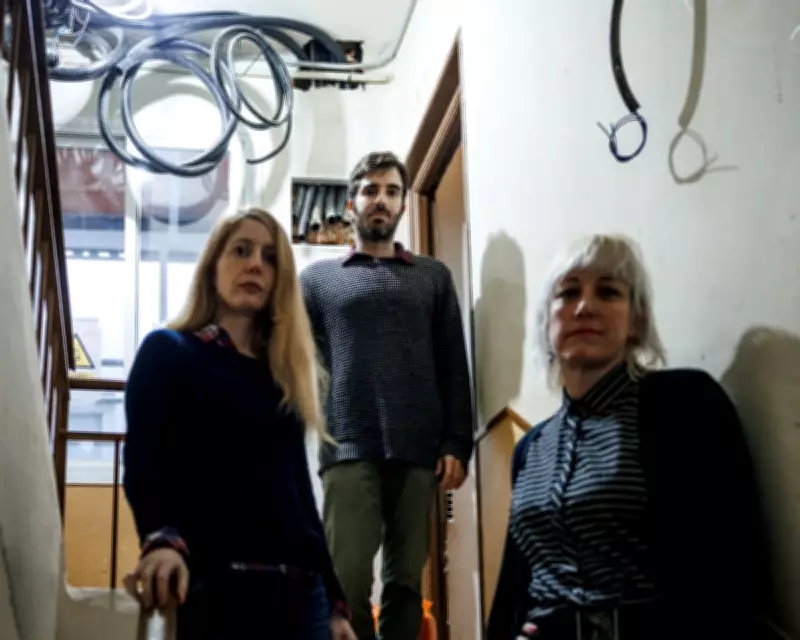
In the vibrant Madrid neighbourhood of Lavapiés, residents Cristina Gómez, Jaime Oteyza, and Nani are at the forefront of a groundbreaking legal fight. Their building, purchased by an investment fund two years ago, has become the epicentre of a national housing crisis, with a Madrid court set to decide whether developers are using construction as a weapon to force tenants out of their homes.
'Psychological Torture' in Lavapiés
When the investment fund acquired the building in 2022, a local tenants' union immediately warned Jaime Oteyza, a resident since 2012, about the impending tactics. The union predicted that rental contracts would not be renewed, followed by intensive construction projects designed to make life unbearable for the approximately 50 families living there.
"One by one, all of the situations that the union described began to happen," said Oteyza. "Construction work was the weapon they used to make our lives impossible; power cuts, leaks, noise, drilling through walls, ceilings collapsing on top of gas stoves."

This pattern, known across Spain as acoso inmobiliario or real estate harassment, is becoming increasingly common in urban areas. Investors are capitalising on the country's booming housing market by pushing out long-term tenants to make way for more lucrative tourist accommodations, short-term rentals, or luxury apartments.
A Pioneering Legal Challenge
In late 2023, a dozen tenants from the Lavapiés building, including Oteyza, filed a lawsuit alleging that the construction work was a deliberate attempt to coerce them into ending their leases prematurely. The Madrid court agreed to hear the case, launching what housing campaigners describe as Spain's first preliminary investigation into real estate harassment.
For Cristina Gómez, who moved into the building in 2020, the court's decision is bittersweet. "It's nice, as it confirmed we're not just imagining things," she said. "But at the same time, this is the result of a lot of suffering. It's a shit situation for everyone."
The construction began in November 2024, leading to flooding in some apartments and creating hazardous no-go zones within the building. Residents believe the new owners are using these tactics to avoid the more costly and time-consuming legal eviction processes.
Resistance and Resilience
Tenants attempted to negotiate with the investment fund, even offering to purchase the building for the same price the fund had paid. However, Gómez recounted that the owners were unyielding: "They were very tough, very long conversations, at no point did they accept anything other than us leaving the building."
Noise levels soared as drills and jackhammers operated for eight hours daily, which Oteyza described as a form of "psychological torture." As a father of two young children, he also feared for their safety due to power tools left on landings and holes in the courtyard.
Nani, another tenant, emphasised the difficulty of their struggle: "We're resisting and we'll continue to resist, but it's really difficult. But we have to do it – it can't be that those who have money can come and buy and sell buildings without caring about the lives of the people inside."
Police and firefighters were called to the building on at least five occasions due to construction-related incidents. After 15 months of ongoing work, approximately half of the tenants have chosen to leave.
A National Housing Crisis
Alejandra Jacinto, a lawyer with the tenants' union who helped draft the legal challenge, explained that real estate harassment is a growing trend across Spain. "From sending in eviction companies to carrying out construction works that cause damage, to putting glue in people's locks, real estate harassment is a tool that is increasingly being used," she said.
The Madrid case has set a precedent, with a Barcelona court recently admitting a similar lawsuit alleging that new owners left tenants without a working lift for over a month to pressure them to vacate.

In Madrid, the publicity surrounding the court investigation has already had an impact. Oteyza noted: "Curiously enough, we noticed that when the case made headlines, they continued working but in a more orderly, more systematic way and respecting the noise levels."
The Landlord's Perspective
A legal representative for the building's owner stated that the construction work aims to improve accessibility, reinforce the building's structure, and renovate the roof – all essential measures for safety and habitability. The company holds all necessary permits for the work.
The spokesperson added that agreements have been reached with more than 30 tenants, demonstrating their "commitment to dialogue and the search for mutually agreed upon solutions." To minimise disruption, the owner has offered temporary relocation options and accommodation adapted to residents' needs.
Looking Ahead
As tenants brace for a legal battle that could last months or even years, Gómez remains determined. "What's happening to us is something that is happening every day, all the time around us," she said. "I think we need to show them that we're willing to enforce the law, that we know our rights and are going to assert them."
With average rents in Spain doubling over the past decade, many tenants feel they have no alternative but to fight. "It's not like I can just go to somewhere nearby or another neighbourhood, it's impossible," Gómez concluded. "So where does one go?"