Elderly Shepherdess Ordered to Pay Massive Legal Bill After Losing Gate Dispute with Hotel Developer Neighbours
An 80-year-old shepherdess has been left facing a legal bill likely to exceed six figures after losing a prolonged court battle with her neighbours over a gate that allegedly interfered with their ability to reverse a Land Rover out of their driveway.
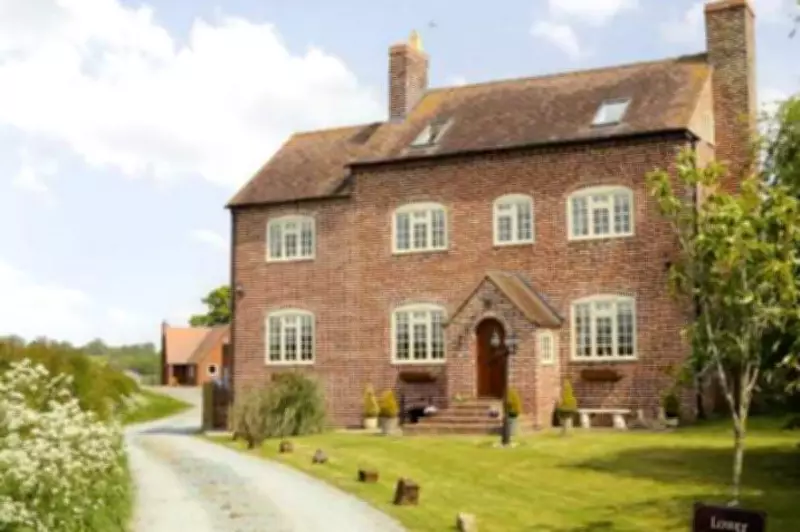
The dispute, which spanned six years and involved multiple court hearings, pitted octogenarian Charolais sheep breeder Muriel Whiston against Peter Leonard, 42, and his wife Kelly, 46, who own a £900,000 farmhouse adjacent to her smallholding near Shrewsbury.
The Origins of the Neighbourly Conflict
Mr Leonard, director of Dublin-based property development firm MM Capital which has invested approximately £90 million in hotel construction projects over the past decade, purchased Lower Fenemere Court in 2017. The property, which includes 33 acres of land, was originally part of the farm that had been in Mrs Whiston's family since before her birth.

The conflict began in earnest during the Covid pandemic in 2020 when Mrs Whiston installed new gates across a shared track at the entrance to her property, accompanied by a sign insisting they be kept shut "at all times" to protect her sheep.
The Leonards, who also operate a refuge for rescued rabbits at their property and are connected to several businesses including schools for disabled children, claimed the gate substantially interfered with their right of way. They argued it prevented delivery drivers from using the area beyond the gate for turning vehicles and forced Mrs Leonard to perform complex multi-point turns when reversing her Land Rover Defender 130 out of their courtyard.
Legal Proceedings and Judicial Rulings
In September 2024, Judge Sarah Watson at Birmingham County Court ruled that while Mrs Whiston's sign was unreasonable and must be replaced, the gate itself could remain. The judge found that Mrs Whiston had not been "abusive" toward the Leonards' visitors, though she acknowledged the shepherdess could be "forthright" and "did not mince her words."
Judge Watson also refused Mrs Whiston's counterclaim seeking an injunction to force her neighbours to keep a barn door closed to prevent their rescue animals from mixing with her flock, though she described the Leonards' refusal to do so as "unneighbourly."
Dissatisfied with this outcome, both parties appealed aspects of the ruling to the High Court. In a recent decision, Mr Justice Michael Green dismissed both appeals, upholding the county court judgment and confirming that Mrs Whiston must bear the substantial legal costs of the case.
The High Court's Final Determination
Mr Justice Green found that despite some findings in Mrs Whiston's favour regarding her conduct, the Leonards were "clearly the winners in this case." He upheld the requirement for Mrs Whiston to replace her sign with one reading: "Lower Fenemere Farm and Turning for Lower Fenemere Court. Please shut gate after use to prevent the escape of farm livestock."
The judge also maintained the injunction preventing Mrs Whiston or her staff from discouraging visitors from using the track beyond the gate for turning vehicles.
"It is most regrettable that this matter could not be resolved out of court and that there has been so much time and money spent in relation to this dispute, quite out of proportion to the issues at stake," Mr Justice Green remarked in his ruling.
Broader Implications and Unresolved Tensions
The court heard that the properties had been divided in 1996, with Mrs Whiston moving into a bungalow on the holding to rear her sheep while the main farmhouse and outbuildings were sold separately. When the Leonards purchased their portion of the property, there was already a gate across the track, but it was typically left open unless sheep were present in the area.
Despite attempts at settlement and Mrs Whiston's proposal for relocating the gate to a less inconvenient position, the dispute escalated to litigation. The High Court judge acknowledged that both parties had made unsuccessful efforts to resolve the conflict amicably.

"I do recognise that there is no easy solution to the problems that have arisen as to the fair and reasonable operation and use of the right of way," Mr Justice Green observed, highlighting the complex balance between property rights and neighbourly relations in rural communities.
The exact total of the legal costs remains unspecified but is expected to reach a six-figure sum, encompassing both the four-day county court trial and subsequent High Court appeal proceedings.