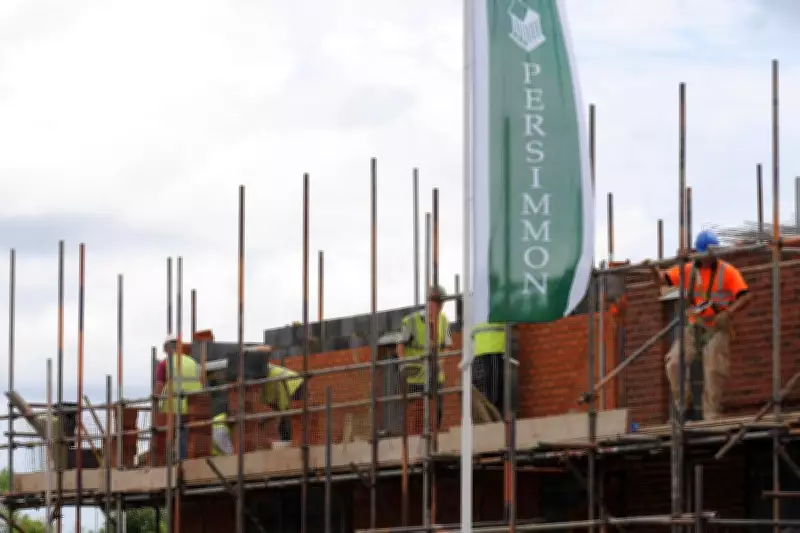
Persimmon Flags Concerns Over Homebuyer Sentiment Amid Iran Conflict
Housebuilding giant Persimmon has issued a warning that the ongoing conflict with Iran could significantly undermine buyer confidence in the housing market. The company highlighted fears that interest rates may remain elevated for longer if inflation is driven upwards by the war's economic fallout.
Mortgage Lenders Hike Rates as Inflation Expectations Soar
A raft of mortgage lenders have already begun increasing their rates in anticipation of rising inflation caused by the Iran war. This move is predicated on the expectation that the Bank of England will be forced to delay or even reverse planned base rate cuts to combat inflationary pressures.
Previously, the Bank was widely expected to reduce rates at its next decision on March 19, but this now appears unlikely. Disruption in the Middle East has sent fuel and energy costs soaring, with some analysts predicting that rocketing oil prices could trigger a spike in inflation, potentially leading to rate hikes instead.

Persimmon's Cautious Outlook and Delivery Targets
Persimmon stated that it is closely monitoring the impact the conflict with Iran could have on its markets in 2026. The group emphasised the potential for uncertainty to take its toll on customer sentiment, which it identified as the most important short-term factor.
The company said, "We have not assumed mortgage rate reductions or the introduction of any government demand stimulus, with the most important short-term factor being any changes to customer sentiment in response to increased uncertainty."
Despite these concerns, Persimmon expects to deliver between 12,000 and 12,500 housing completions this year. However, this forecast is contingent on the assumption that the conflict and its impact will be short-lived.
Strong Sales Performance and Financial Results
In the opening weeks of 2026, Persimmon reported strong sales, with its net private sales rate up 9% year-on-year in the first nine weeks. Average selling prices also increased by 6%. The firm's private sales order book stood 9% higher at £1.25 billion as of March 1.
Dean Finch, group chief executive of Persimmon, commented, "Sales in the opening weeks of the year have been strong and the build-to-rent market is recovering from the slowdown around November's budget. Whilst we have good visibility of both our costs for 2026 and our demand from registered providers and build-to-rent, the impact of the Iran conflict on customer sentiment remains to be seen."
Persimmon's full-year results for 2025 showed pre-tax profits lifted 11% to £397.3 million, with new home completions rising 12% to 11,905. On an underlying basis, pre-tax profits increased 13% to £445.6 million.
Future Profits and Market Reaction
The group is on track for 2026 expectations, with underlying pre-tax profits projected to rise to £470 million, assuming the Middle East conflict is short-lived. Shares in Persimmon bounced back by 7% in Tuesday morning trading, recovering from heavy falls in the previous week driven by worries over the Iran conflict and its knock-on effects on the housing market.
Chris Beauchamp, chief market analyst at IG, noted, "Last week's panic over housebuilders seems misplaced, at least in Persimmon's case. Revenue and profits are both up, assuaging fears about a renewed period of weakness for the group. While it hedged itself with some caution about confidence in this period of volatile energy costs, this is a solidly confident outlook, albeit dimmed slightly with the risk that the Bank of England has to slow its planned rate cuts until clarity appears on the path of interest rates."
Build Costs and Supplier Agreements
Persimmon added that it is too early to determine the war's impact on build costs. The company anticipates limited effects in the current year due to existing agreements with key suppliers and accelerated production levels heading into 2026. This provides some buffer against immediate cost pressures, but long-term uncertainties remain.