Illegal HMOs: England's Hidden Housing Crisis Putting Lives at Risk
One in four HMOs in England operating illegally

Across England, a hidden housing crisis is unfolding within the walls of illegally operated Houses in Multiple Occupation (HMOs), placing vulnerable tenants in danger and costing the NHS billions. Often marketed as a lucrative investment, these shared properties are failing to meet legal standards at an alarming rate, with severe consequences for public health and community wellbeing.

The Scale of the Illegal HMO Problem

Startling research reveals that at least one in every four HMOs in England is currently operating outside the law. These unlicensed and unregulated properties frequently house people in desperate need of affordable accommodation, leading to overcrowded and often squalid living conditions. The issue is not merely one of substandard housing; it represents a significant failure in the system designed to protect some of the nation's most at-risk residents.

This widespread illegality is fuelled by a chronic national shortage of genuinely affordable places to live. As pressure mounts on the housing market, the temptation for landlords to bypass safety and licensing rules for greater profit increases, leaving tenants with little recourse. The situation has created a perfect storm where exploitation thrives in the shadows of the housing emergency.

A Public Health Emergency with a Staggering NHS Cost

The impact of this crisis extends far beyond damp walls and overcrowding. Medical professionals and housing experts are clear: poor housing constitutes a public health emergency. The physical and mental health toll on those living in cold, damp, and unsafe environments is immense and well-documented.

The financial burden on the National Health Service is quantifiable and vast. It is estimated that the NHS spends a colossal £1.4 billion every year treating illnesses and conditions that are directly caused or severely exacerbated by living in substandard housing. This includes respiratory problems from mould, injuries from unsafe facilities, and mental health crises stemming from the stress of insecure and inadequate living conditions. Every penny spent here is a resource diverted from other vital services, making the illegal HMO issue a drain on the entire public purse.

Grassroots Action and the Path Forward

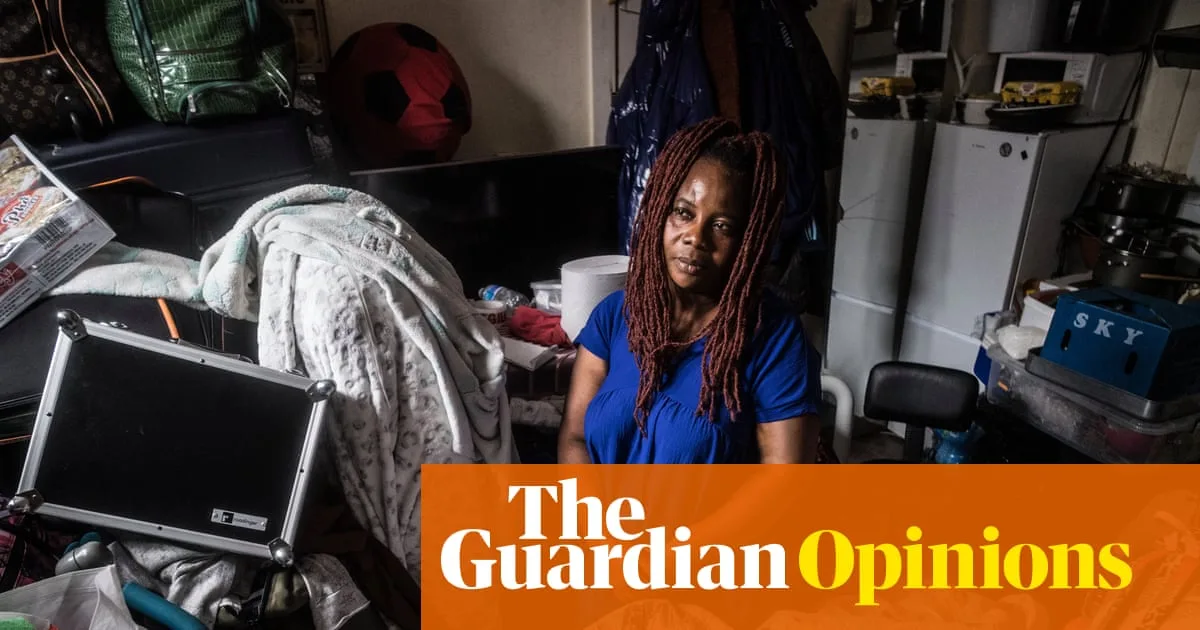
Amidst this bleak landscape, local community organisations are stepping into the breach, offering support, advocacy, and hope. In the Guardian's recent video report, journalist Josh Toussaint-Strauss highlights the work of two such groups: Canopy and Back on the Map.

These organisations operate on the front lines, working directly with affected tenants to improve conditions, assert their rights, and rebuild a sense of community, pride, and security. They are part of a wider movement addressing the symptoms of the housing crisis while also campaigning for systemic, long-term solutions.

Both groups are featured in the current Guardian charity appeal, which is raising funds for projects across the UK that focus on connecting communities and fostering solidarity. Their work underscores a vital truth: while enforcement of existing HMO laws is crucial, building resilient, supportive communities is equally important in combating the harms caused by the affordable housing shortage and illegal landlord practices.

The fight against illegal HMOs is a multifaceted one, requiring stronger regulation, adequate funding for enforcement, and sustained support for the grassroots groups providing a lifeline to those caught in the crisis. Until the root cause—the severe lack of affordable, decent housing—is addressed, the dangerous cycle of illegal HMOs and their human cost is likely to continue.