Margate's Iconic Brutalist Tower Faces Structural Crisis
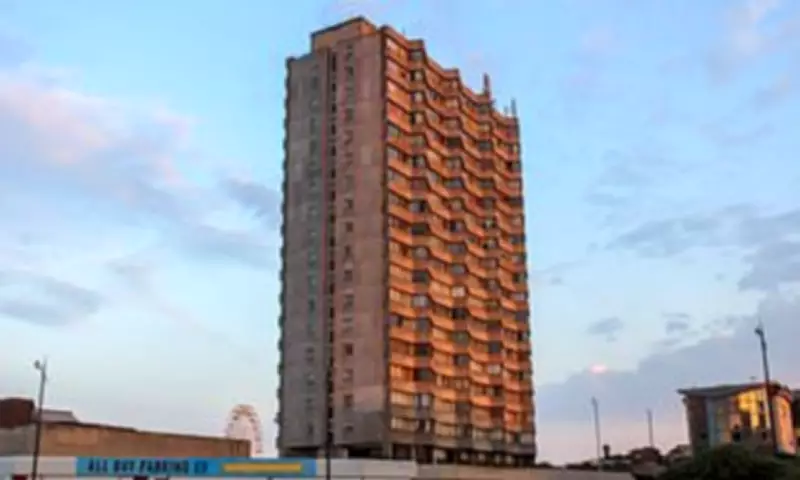
The future of one of Kent's most architecturally significant buildings hangs in the balance as safety regulators declare it a danger to the public. Arlington House, the striking 1960s brutalist tower block that dominates Margate's seafront, has been identified as presenting serious structural risks that require urgent attention.
Concrete Deterioration Poses Immediate Threat
According to a comprehensive report by Thanet District Council, which owns the land beneath the 18-storey structure, the building's concrete cladding has deteriorated to such an extent that it poses a genuine risk of falling debris. The Building Safety Regulator has confirmed these concerns, noting that while temporary scaffolding has been erected at the tower's base to protect pedestrians, substantial repairs remain outstanding.
The regulatory assessment reveals alarming findings about the building's condition. After a decade of surveys, inspections, and testing conducted by the building's owner, Metropolitan Property Realization Limited, authorities remain unsatisfied with the understanding of the structure's overall integrity. The report explicitly states that both the main concrete structure and cladding panels have degraded to a point where they endanger residents and the general public.

Fire Safety Concerns Compound Structural Issues
Beyond the visible deterioration, the council's report raises significant doubts about how the building would perform in a fire emergency. These dual concerns - falling concrete and potential fire safety shortcomings - create a complex safety challenge for authorities and residents alike.
A crucial scrutiny meeting has been scheduled for February 11th, where councillors will examine these issues in detail. This follows Thanet District Council's decision to serve a hazard awareness notice to MPRL last August, formally alerting the owner to the building's dangerous condition.
Architectural Significance Versus Practical Necessity
Despite its current safety concerns, Arlington House remains an architectural landmark that commands premium rental prices. Apartments within the block frequently advertise for up to £750 per week on platforms like Airbnb, with listings highlighting stunning sea views, original design features, oak parquet flooring, and distinctive concrete bathrooms that exemplify the brutalist aesthetic.
The building's architectural significance has previously sparked controversy within the community. In 2024, a heated debate erupted between long-term residents and newer, design-conscious occupants over proposed window replacements. While locals supported modernising the rusting windows that constantly rattled and shook, newer residents argued that preserving the original windows was essential to maintaining the building's architectural integrity as a "jewel" in Margate's crown.
Historical Context of a Modernist Icon
Completed in 1963, Arlington House represents a significant example of post-war brutalist architecture in Britain. Its commanding presence on Margate's seafront has made it both a popular landmark and, for some critics, an "eyesore" that divides opinion. The current safety concerns add another layer to the building's complex history, raising questions about how to preserve important architectural heritage while ensuring public safety.
The Daily Mail has approached Thanet District Council for further comment on the situation, as authorities grapple with balancing preservation priorities against immediate safety requirements for this iconic but deteriorating structure.