

Have you ever been caught short in a British city? You're not alone. The UK is facing a stark shortage of public conveniences, a fundamental civic amenity that has been quietly vanishing for decades. However, a quiet revolution is now underway, spearheaded by innovative architects and forward-thinking local councils, with London at its forefront.
The Vanishing Amenity: A 40% Decline Since 2000
The scale of the problem is dramatic. The British Toilet Association reports a staggering 40% loss of public toilets since the year 2000. The reasons are familiar: squeezed council budgets and high maintenance costs. Many historic Victorian facilities, prized for their solid construction and central locations, have been converted into bars, shops, or restaurants, generating rent but leaving a gap in public provision. This decline impacts everyone, undermining basic dignity and the cleanliness of shared urban spaces.
Architectural Innovation Meets Civic Purpose
Against this backdrop, a new wave of architectural practice is emerging, reframing the public toilet not as a burden but as an opportunity for civic pride and good design. These projects are often supported by pioneering council officers and, occasionally, specific government grants like the Department for Levelling Up's Future High Streets Fund.

Eddie Blake, a director at architecture practice Studio Weave, highlights the challenges and the vision. "We have to build toilets that are safe and respect users' dignity," he notes, explaining considerations from door sightlines to eliminating hidden spaces. His firm has recently completed two London projects: one in Woolwich for Greenwich Council and another in Maida Hill for Westminster.
The Woolwich facility showcases this thoughtful approach, featuring high-quality traditional encaustic-tile flooring and oversized chimneys for passive ventilation—blending old technologies with modern needs. The design also incorporates shelter, drinking water, and seating, creating a small but valuable public hub.
Case Studies: From Bruce Grove to Victoria Embankment
Other London boroughs are following suit with architecturally significant projects. In Bruce Grove, Haringey, DK-CM Architects have transformed a dilapidated toilet block into an elegant facility with a new community room and cafe, helping to offset running costs and boost footfall.
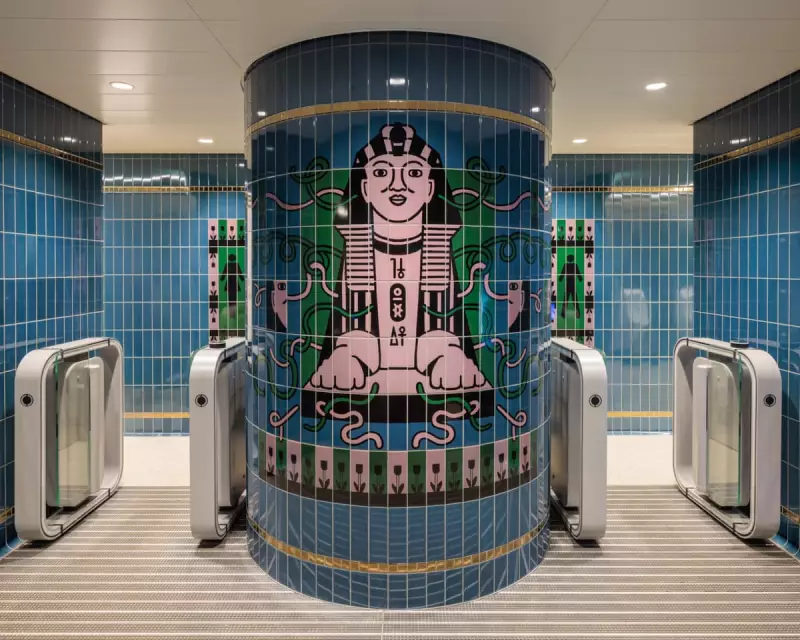
In Westminster, Hugh Broughton Architects have delivered upgraded public toilets on Victoria Embankment, commissioning an artist to reflect the local area's character. Meanwhile, the City of London's project at Finsbury Circus was designed with an exceptional 100-year design life, mandating materials of far higher quality than typical public buildings.
These designs create a virtuous cycle: better facilities attract more users, which improves passive surveillance, reduces antisocial behaviour, and makes the spaces more welcoming for all.
The Funding Challenge and a Glimmer of Hope
Sustaining this momentum is the central challenge. While local politicians recognise the public appeal of such amenities, council funding remains scarce. Recent projects have relied on time-limited pots like the Mayor's Fund and the Levelling Up Fund.
However, there are positive signals. The government's Pride in Place strategy promises funding specifically for public toilets. Furthermore, the London Assembly has called for public toilet provision to become a statutory duty for local authorities. Advocates point to international exemplars like Tokyo's well-funded toilet project, which treats facilities as a symbol of hospitality culture, not an afterthought.
Ultimately, these new-generation toilets succeed by dignifying their essential function. They prove that good public architecture, whether a museum or a lavatory, can improve daily life and express a city's belief in providing for its citizens' most universal needs. As Eddie Blake contends, it's a choice between public toilets or a less civilised alternative. The current work in London suggests a hopeful path is being paved.






