

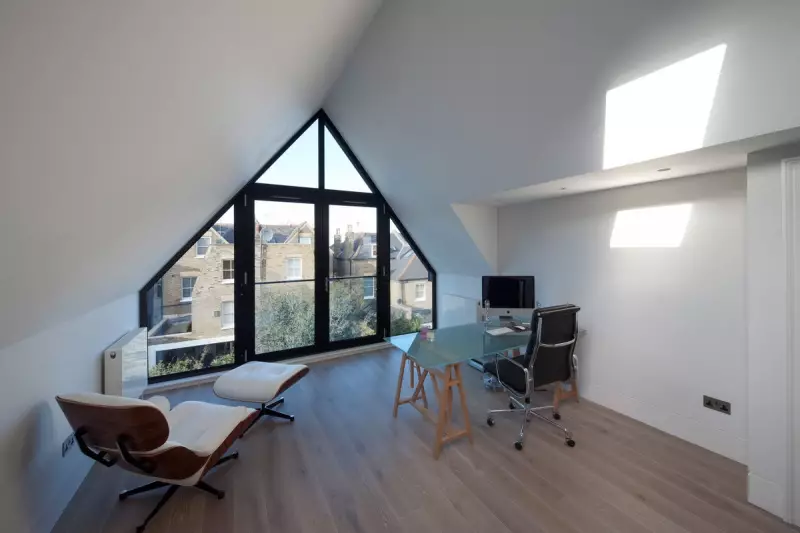
For many UK homeowners seeking extra space, a loft conversion presents an attractive alternative to the upheaval and expense of moving house. This popular renovation can unlock significant square footage and add a valuable new room to your property. However, embarking on such a project requires careful forethought.
Navigating Planning and Budgets
According to Costel Radescu, founder of CR Group, the first critical step is determining whether you need planning permission. Some conversions fall under 'permitted development' rights, allowing work without formal council approval. Common examples include dormer conversions, provided they don't exceed the existing roof height, and Velux or roof light installations that don't significantly alter the roof structure.
However, Radescu emphasises that planning permission is mandatory if your property is in a conservation area, is a listed building, or if the proposed work exceeds permitted development volume limits. He recommends consulting the national Planning Portal or a local planning professional for tailored advice. Application fees alone can range from £300 to £2,000, so confirming this requirement early is vital for budget management.

Speaking of budgets, Radescu highlights that a loft conversion is a major investment. He provides the following indicative cost brackets as a starting point:
- Basic loft conversion: £30,000–£60,000
- Dormer conversion: £60,000–£90,000
- Hip to gable conversion: £90,000–£120,000
- Luxury or high-end conversion: £130,000+
He advises homeowners to obtain detailed quotes from at least three builders, checking references and reviews thoroughly. Local recommendations from neighbours who have undergone similar work can be invaluable for finding reliable tradespeople familiar with local property types.
Design, Safety, and Added Value
Before finalising plans, think carefully about the new room's purpose, whether it's a bedroom, home office, or playroom. Maximising natural light through strategic window placement and incorporating built-in storage to utilise eaves space are key design considerations, says Radescu.
Critically, all conversions must comply with UK Building Regulations, covering structural integrity, insulation, and fire safety. Your builder should guide you, but understanding requirements for elements like fire doors in open-plan areas can prevent unexpected costs later.
Finally, consider the impact on your property's value. While a loft conversion typically increases value, Radescu suggests researching local market trends or speaking to an estate agent to gauge potential returns. This helps ensure your investment aligns with your long-term financial goals, especially if you're expanding to stay in a beloved neighbourhood.
In summary, thorough upfront research on these five areas—planning, budget, design, regulations, and value—can lead to a smoother project, helping you avoid overspending and achieve your dream space on time and within budget.






