Lagos Housing Crisis Deepens as Rents Skyrocket Beyond Wage Growth
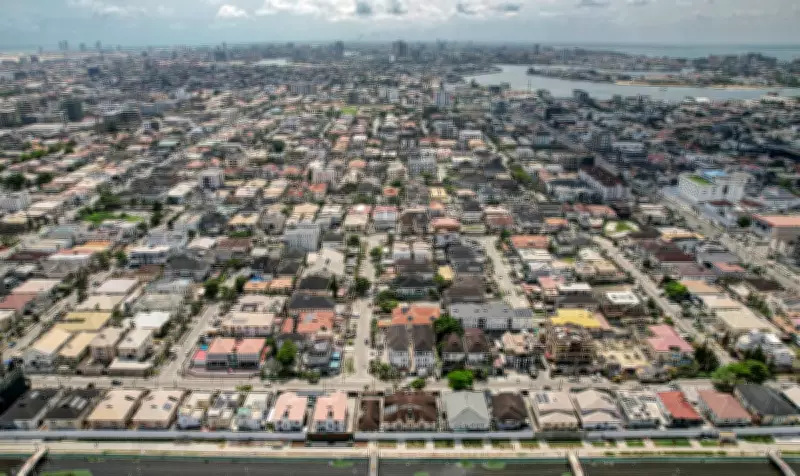
The Nigerian megacity of Lagos is grappling with an escalating housing crisis, where dynamic economic growth is severely outstripping rental supply, and wages are failing to keep pace with soaring living costs. With an estimated population of 22 million, Lagos attracts thousands of new residents daily, but this influx is placing extraordinary pressure on an already strained housing market, pushing many professionals to the brink.
Daily Struggles of Commuters in a City Pushed to Breaking Point
Oluwatobi Ogundipe, a 32-year-old product manager in Lagos's burgeoning technology sector, exemplifies the daily grind faced by many. He commutes four hours each way from Sango Ota in Ogun state to his office on Lagos Island, unable to afford closer accommodation. In 2023, he found a self-contained room near his workplace renting for ₦900,000 annually, but additional fees nearly doubled the cost, forcing him to relocate to a cheaper area. His story is far from unique across the sprawling metropolis.
Ayodeji Monsuru, a civil servant and father of two, faces similar hardships. After his rent increased from ₦300,000 to ₦500,000 in New Oko Oba, he moved to Ijaiye, one of Lagos's outermost districts, resulting in a daily commute exceeding two hours. Earning ₦240,000 monthly, he spends ₦3,500 weekly on transport, leading him to question whether working in the city is worthwhile. These commutes often involve sitting in traffic for hours, causing physical discomfort and numbness, as Ogundipe describes, highlighting a survival skill born of necessity.

Rent Surges and Structural Shortages Worsen the Affordability Gap
Rents in Lagos have surged dramatically, far outpacing wage growth. On the mainland, flats that cost ₦500,000 two years ago now command up to ₦2.5 million annually, while on the island, tenants report rents tripling. With the national minimum wage at ₦840,000 per year, many residents find housing unattainable. Emmanuel Joseph, a Lagos estate agent, notes that even saving every naira leaves most unable to afford a ₦2 million apartment, leading to increased flat-sharing as a coping mechanism.
Prof Taibat Lawanson, a professor of urban management and governance at the University of Lagos, identifies a housing shortage of over 3.4 million units. The city's population growth exceeds housing supply, forcing people into informal arrangements like office sleeping or weekend commuting to families outside Lagos. This crisis is compounded by developers prioritising luxury projects over affordable housing due to high construction costs, soaring land prices, limited finance, and weak incentives.
Impact of Short-Term Rentals and Luxury Developments on Availability
The trend towards short-term rentals, facilitated by platforms like Airbnb, is exacerbating the shortage. Landlords in areas like Lekki are converting properties into short-let accommodations, earning significantly more from tourists and business travellers than from long-term tenants. Lawanson warns that this reduces available units for residents, driving prices even higher and worsening scarcity.
Despite the severity of the issue, Barakat Odunuga-Bakare, special adviser on housing to the Lagos state governor, did not respond to requests for comment. For now, residents like Ogundipe adapt through gruelling journeys, but many feel the city is pushing them away as they chase opportunities in Africa's most dynamic urban centre.