
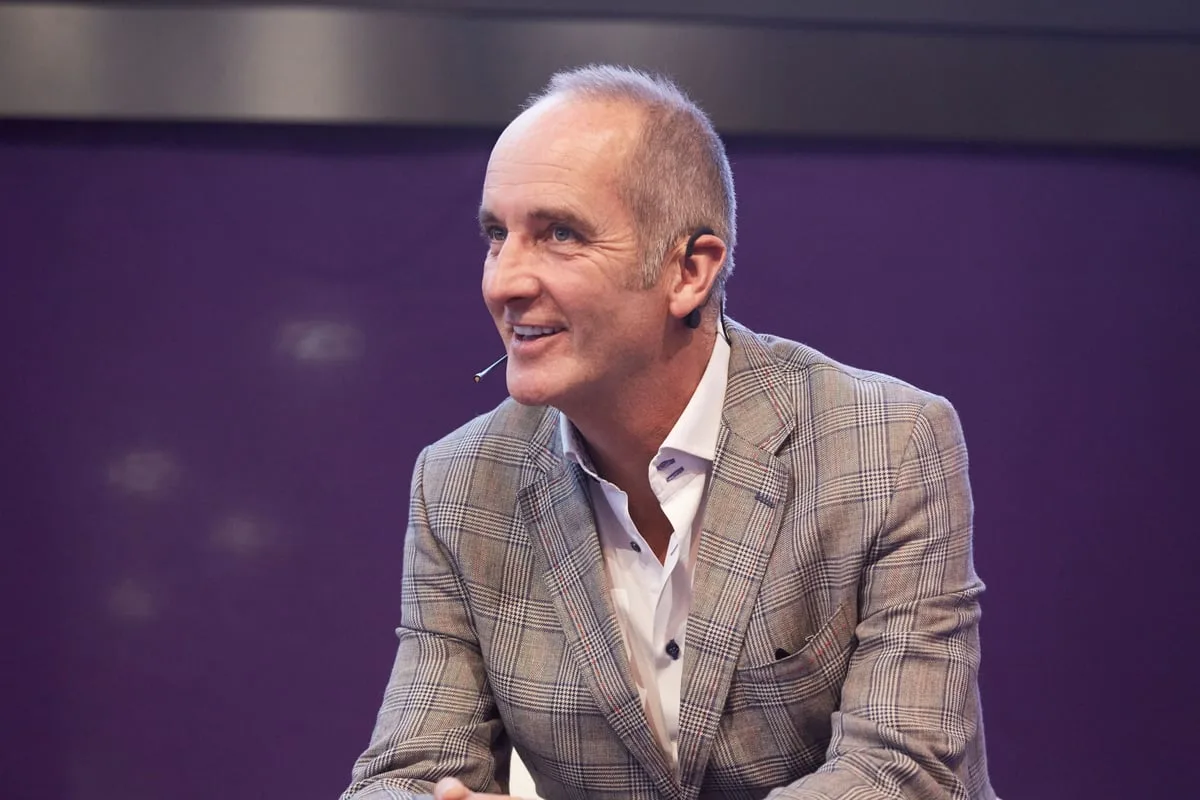
Television presenter Kevin McCloud has criticised the UK property market, describing it as “broken and dysfunctional” and dominated by a small number of large housebuilders demanding excessive profits. The Grand Designs host argued that Britain is falling behind European countries like Germany and Sweden in housing development.
“If I were the housing minister I’d be looking at ways to break this monopoly that two or three companies have over the market,” McCloud told the PA news agency. He claimed that a lack of competition stifles quality and innovation, making the market more vulnerable to downturns. “We have effectively a broken market, a dysfunctional market, it has been hollowed out,” he added.
McCloud’s comments follow the announcement in February of a £2.5 billion tie-up between two of the UK’s biggest developers, Barratt Developments and Redrow, which is now being investigated by the competition watchdog. “Why on earth a company should be allowed to turn over an amount of money equivalent to the GDP of a small nation, I don’t know. That seems to flout some competition laws,” he said.
The presenter also warned that the UK housing market has worsened over the past 15 years. “Fifteen years ago, we led the world in the standards we were applying to construction and driving towards net zero. We were winning the race. We are now last – we are in such a dreadful position, and all that happened in that time is that our housing industry has got worse and worse, and the level of skill has drained out of construction,” he told PA.
McCloud attributed some of the decline to the Brexit referendum, which led to a loss of skilled overseas workers. “With Brexit, we saw a lot of people disappear back to other European homes. They were really supporting and masking the lack of skilled trade in the UK, because we had so many foreign workers here who were really skilled,” he said. The construction industry has faced challenges from higher interest rates, rising prices, and weaker demand, though the sector returned to growth in March after a six-month slump.




