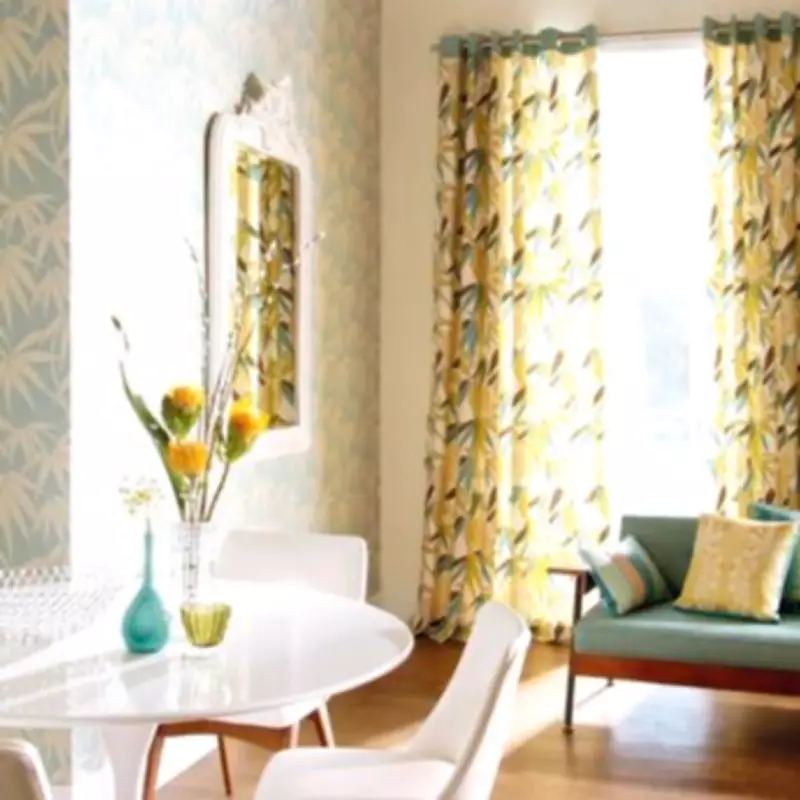
Wallpaper is a popular choice for transforming the look of any room, offering an efficient way to revamp home interiors instantly. However, homeowners across the UK are being urged to check their wallpaper now for a hidden health risk that must be addressed as soon as possible to prevent it from spreading and causing further damage.
The Dangers of Mould on Wallpaper
Experts at Home Building have issued a stark warning: if you discover mould on your wallpaper, it requires immediate attention. Even as warmer months approach, damp and mould can still pose a significant danger in your property. This issue is not merely cosmetic; mould can rapidly spread, damaging entire walls and triggering various health problems, particularly respiratory issues such as allergies and asthma.
Why Does Mould Appear?
There are several key factors behind why mould might appear on your wallpaper. Chris Michael from Meaco explained: "Some types of mould are related to too much humidity in the air, while others are related to water ingress - perhaps from loose roof tiles, a leaking pipe, ground water or poorly fitting window frames."

He added: "Condensation is a sign that your home may be susceptible to damp, and you may need to look at ways to improve your home ventilation and invest in some repairs." This highlights the importance of proactive maintenance to mitigate risks.
How to Remove Mould from Wallpaper
The approach to eliminating mould depends on the wallpaper type and the severity of the problem. According to reports from the Express, the first step should always be dusting or vacuuming the wall to clear any debris and prevent it from spreading during cleaning.
Natural Cleaning Solutions
For washable or emulsioned wallpaper, you can use washing-up liquid and warm water. Alternatively, natural mixtures are effective: combine one cup of water with half a cup of distilled white vinegar, or blend one cup of water with a few drops of tea tree oil.
DIY specialist Steve Jenkins advised: "Add the solution to a spray bottle and mist the affected area. Now use a sponge to carefully wipe the walls in circular motions, avoiding soaking the wallpaper. Use a clean, damp sponge to remove the solution, then let it air dry before repeating the process until the mould is eliminated."
Using Bleach for Stubborn Mould
Bleach can also be very effective for tackling mould and mildew. Mix a quarter cup of bleach with one cup of water, then spray or sponge the mixture onto the stains and let it work for approximately five minutes. Wipe it clean with a fresh cloth or sponge, repeating the process until the marks have vanished.
Steve noted: "In some cases, no amount of scrubbing will remove the mould stains left behind. Stains are especially noticeable on light-coloured surfaces and can prove difficult to hide."
When to Consider Replacement
If you are unable to eliminate the stains, it is advisable to strip the wallpaper and begin afresh. This ensures that any underlying mould is completely removed, protecting both your home's structure and your health. Regular inspections and prompt action are crucial to maintaining a safe living environment, as mould can silently compromise air quality and cause long-term damage.
In summary, while wallpaper enhances home aesthetics, vigilance is key. Check your walls regularly, address ventilation issues, and use appropriate cleaning methods to safeguard against this hidden health hazard.