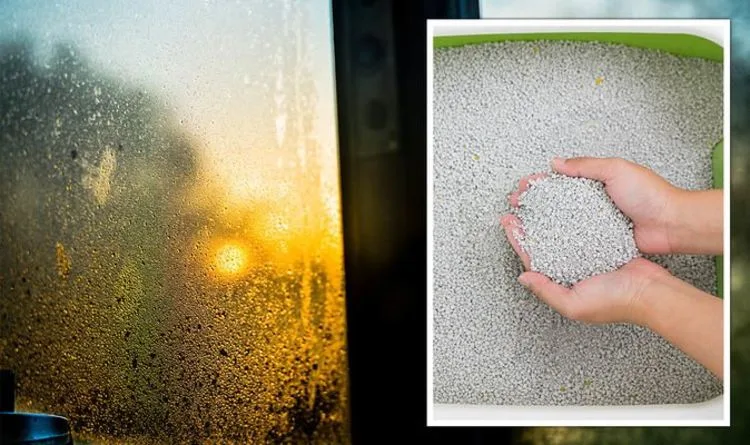
Stop Window Condensation with a £1 Hack and 5 Expert Tips
Expert's £1 hack to stop window condensation

As temperatures plummet across the UK, a familiar and frustrating problem is reappearing in homes nationwide: persistent window condensation. This winter nuisance, caused by warm, moist air meeting cold glass, leads to soggy windowsills and, if ignored, can trigger mould and damp.

The Science and Scale of the Condensation Problem

Research indicates that more than one in five British homes grapple with condensation issues, leaving many residents searching for effective solutions. The science is straightforward: condensation forms when humid indoor air cools rapidly upon contact with a cold surface, like a window pane, releasing water droplets.

Helen Godsiff, brand manager at home improvement specialists Eurocell, warns of the serious consequences. "It may not seem a big problem, but left alone it can lead to more costly issues, such as damp and mould," she stated in January 2026. These conditions, combined with cold weather, can also negatively impact household health.

Five Practical Strategies to Beat Condensation

Thankfully, experts like Godsiff recommend several practical and affordable measures to minimise window condensation and protect your property.

1. Rethink Indoor Drying and Boost Ventilation

Common daily activities are often the culprits. Drying laundry indoors releases significant moisture into the air. Similarly, cooking and showering generate steam. To combat this, ensure good airflow by using extractor fans, opening windows regularly, and keeping trickle vents above windows open to allow fresh air to circulate and reduce humidity.

2. The Game-Changing £1 Shaving Foam Hack

One surprisingly effective and budget-friendly tip involves a common bathroom item. Applying a thin layer of shaving foam to glass surfaces, then wiping it off with a dry cloth, leaves an invisible film that repels water droplets. This cheap fix, also recommended by the RAC for car windows, needs occasional reapplication but can keep bathroom mirrors and windows clearer for longer.

3. Seal Gaps and Maintain Consistent Warmth

Check window frames for any gaps or cracks where cold air can enter and cool the glass, encouraging condensation. Sealing these with an appropriate sealant is a simple preventative step. Furthermore, maintaining a steady, consistent temperature in rooms, rather than letting them get cold before reheating, makes surfaces less prone to cooling down enough for moisture to settle. Using curtains as an extra insulation layer can also help.

By integrating these steps—managing humidity, improving ventilation, using clever hacks, and maintaining your home—you can win the battle against winter condensation, creating a healthier and more comfortable living environment.




