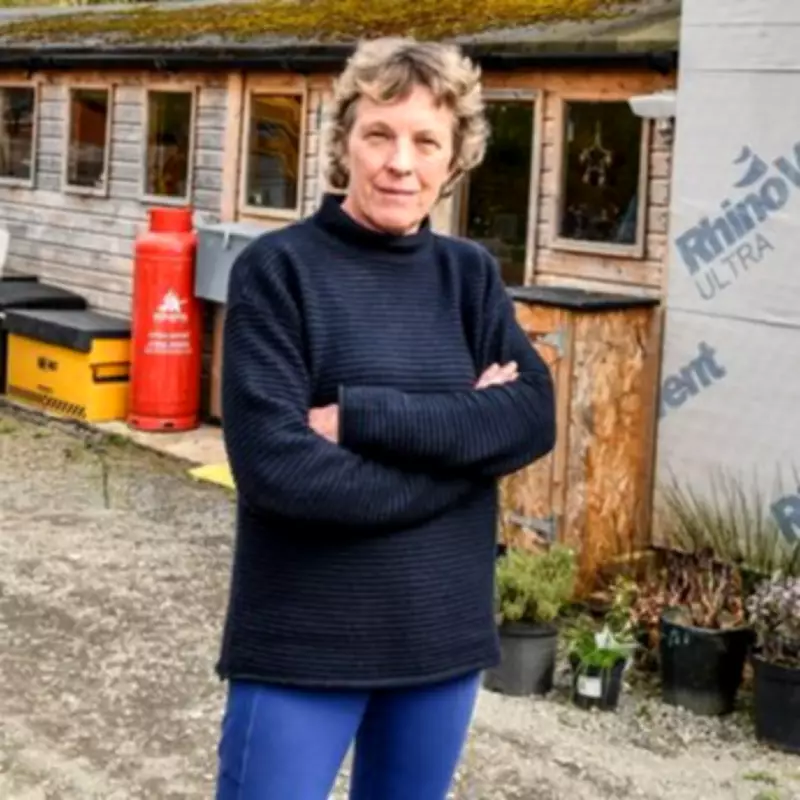
A couple's dream of building their forever home has turned into a four-year ordeal of living in a cramped garden shed, all due to stringent river pollution regulations and escalating costs. Jane Coyle, 64, and her husband Anthony, 67, have endured this hardship after their plans for a three-bedroom eco-home in Edwyn Ralph, Herefordshire, were thwarted by an obscure planning restriction.
The Lugg Moratorium: A Barrier to Building
In 2020, the Coyles submitted their proposal to Herefordshire County Council, only to be blocked by the 'Lugg Moratorium', a ban on new developments aimed at protecting river health. Remarkably, their site lies a staggering 12 miles from the River Lugg, yet they were still caught in the crosshairs of this regulation. Initially encouraged by a planning officer who predicted a quick lifting of the ban, the couple moved into a caravan on the land, but after two years, they could no longer bear the conditions and downsized to a 19ft by 9ft garden shed.
Financial and Personal Struggles
The Coyles had previously enjoyed a spacious six-bedroom farmhouse in Ross-on-Rye, selling it in 2018 to invest £120,000 in the plot for their new home. With an additional £250,000 earmarked for construction, their total investment exceeded £370,000. However, Anthony's declining health has prevented them from carrying out the work themselves, and they now face costs of £400,000 to £500,000 for a professional builder. Jane lamented the impact on their family life, noting they have had to use tents and camper vans to accommodate their three grandchildren during visits.

"We have been stuck living in our shed through no real fault of our own," Jane said. "The crazy thing is if we had been a couple of fields away, we would have been okay. Houses three quarters of a mile up the road have been getting permission to build all the time."
Planning Permission Finally Granted
After a five-year wait, planning permission was finally approved in July 2025, following the couple's purchase of 'phosphate credits'. These credits, costing £7,000, are designed to offset development impacts by funding wetlands projects. However, Jane argues that their project's phosphate production is minimal, claiming it could "fit in a test tube", and they must pay this hefty bill before any construction can begin.
Joining a Landmark Environmental Lawsuit
Frustrated by the situation, the Coyles have joined one of the largest environmental lawsuits in UK history, representing around 4,000 people affected by river pollution in the Lugg, Wye, and Usk areas. The legal action, filed by firm Leigh Day, targets poultry producer Avara Foods Limited, its subsidiary Freemans of Newent Limited, and utility company Welsh Water. The lawsuit alleges a significant imbalance: chicken farms are responsible for 66% of nutrient pollution in the rivers, while new homes account for less than 1%.
Jane explained, "There are chicken farms all along the Herefordshire-Welsh border, and they keep getting permission for more and more chickens. This leads to more chicken effluent and slurry being pumped into surrounding farmlands. New homes are a tiny fraction of the problem, and we are part of the legal action seeking compensation for what we have endured."
Industry Response and Ongoing Battle
In response, a spokesperson for Avara Foods stated that the company has "done more than any other poultry business" to address river health concerns and denied any scientific evidence directly linking their operations to pollution. Despite this, the Coyles remain determined, highlighting the broader issue of how planning rules can disproportionately impact small homeowners while larger industries continue to operate.
Their story underscores the challenges faced by individuals navigating complex environmental regulations, with their dream home still on hold as they await resolution from both the legal system and planning authorities.