Charity Shop Workers Warn: One Common Habit Could Be Ruining Stores
Charity Shop Workers Warn: Common Habit Ruining Stores

Charity Shop Workers Issue Urgent Warning Over Common Customer Habit

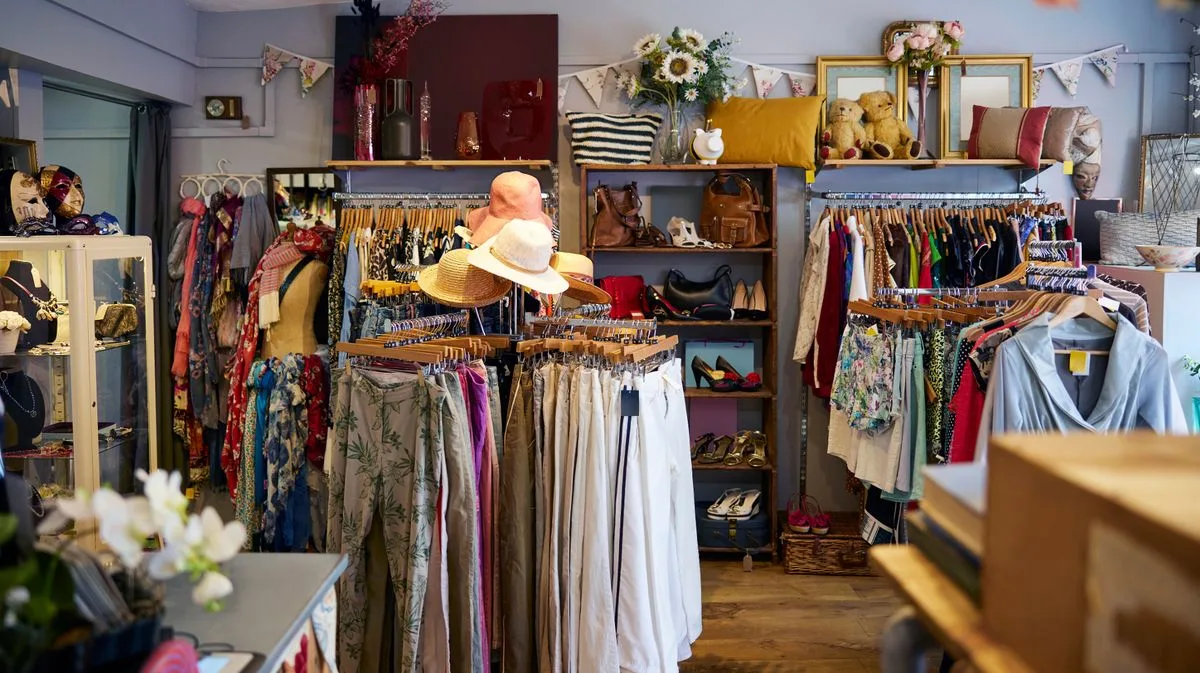
Charity shop workers across the United Kingdom have come forward to highlight a simple yet widespread practice that they believe is jeopardising the future of second-hand stores. This habit, which many visitors might unknowingly engage in, involves resellers who purchase items specifically to flip them for profit, often while checking their phones to assess potential earnings.

The Reseller Debate: Profit Versus Purpose

In a revealing social media discussion, a small-time reseller posed a question to charity shop volunteers, asking if it bothered them when buyers use their phones to check profit margins or selectively pick the best items. The response from the community was mixed but pointed to significant concerns.

One former volunteer expressed strong views, stating, "Reselling has ruined charity shops. Not because of resellers like you, but because charity shops are now pricing from eBay." They lamented that this shift has eliminated the bargains that once made these stores accessible, leading them to stop both shopping and donating.

Wide Pickt banner — collaborative shopping lists app for Telegram, phone mockup with grocery list

Another commenter emphasised the ethical dimension, arguing, "I think reselling charity shop product is wrong. Charity shops help people who are really struggling. If everyone with spare cash buys and marks up items, there's nothing left for those who need cheap clothing." This perspective underscores the tension between commercial reselling and the charitable mission of providing affordable goods to vulnerable communities.

Managerial Perspectives and Acceptable Practices

Not all charity shop staff are opposed to resellers. A manager with two years of experience noted, "As long as we sell it for what we put it out for, I truly don't care." This sentiment was echoed by others who added that avoiding haggling is key, suggesting that fair payment at the asking price can mitigate negative impacts.

However, the broader issue lies in how pricing strategies have evolved. Many charity shops now reference online platforms like eBay when setting prices, which can drive up costs and reduce the availability of low-priced items for those in genuine need. This change reflects a growing trend where the line between charitable giving and commercial resale becomes blurred.

What Charity Shops Accept and Refuse

To support these stores effectively, it's crucial to understand donation guidelines. Charity shops welcome high-quality, clean, and reusable items, including:

  • Clothing, footwear, and accessories such as bags, belts, and jewellery
  • Books, CDs, toys, and homeware or linen
  • Furniture and electrical items in good condition

Conversely, items frequently refused due to safety or hygiene concerns include:

  • Upholstered furniture without fire labels and damaged goods
  • Safety helmets, large white goods like washing machines, and old appliances
  • Dirty items, ripped clothing, used underwear, and pillows
  • Medical equipment, adult content, and large quantities of broken items

By adhering to these guidelines, donors can help ensure that charity shops remain viable and continue to serve their dual purpose of reducing waste and supporting charitable causes. The ongoing debate over reselling highlights the need for balance in preserving the accessibility and integrity of these community resources.

Pickt after-article banner — collaborative shopping lists app with family illustration




