

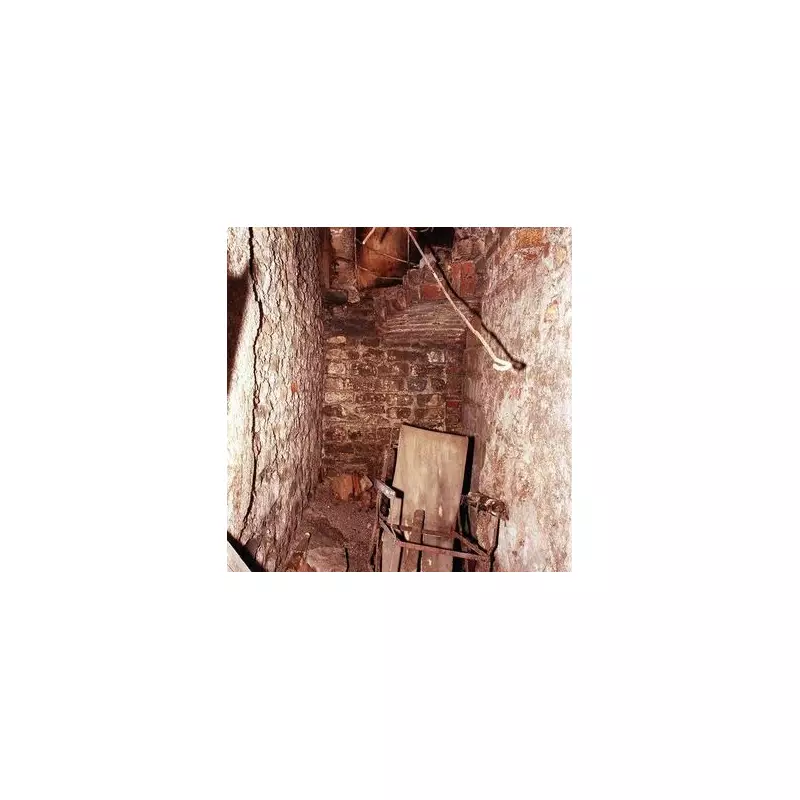
A forgotten Victorian street, sealed away and considered too perilous for public access, lies entombed beneath a major road in the heart of Bristol. This subterranean world, accessible only via a network of tunnels, has fuelled local legend for decades, with tales of a time-capsule avenue frozen in the 19th century.
A Descent into History
Intrigued by persistent myths, including one of a pub-goer tumbling into this hidden realm, local historian Dave Stephenson embarked on a daring investigation. Armed with a camera and torch, he navigated the tunnels to document the truth. His expedition uncovered a remarkable snapshot of the past, sparking a years-long research project into how this thoroughfare vanished from view.
The buried alleyway is a labyrinth of secret cellars and concealed rooms. Stephenson's exploration revealed a disco beneath the Packhorse pub, a coffin storage area for undertakers, an old stable for Co-op delivery horses, and a space repurposed as an unofficial air raid shelter during the Second World War. One tunnel, situated directly under a bank, was bricked up following an attempted underground break-in.

How the Street Was Lost
Dave Stephenson's research traces the street's origins back over 200 years to the Herapath family's brewery, connected to the Packhorse Inn. In 1832, a horse-drawn railway ran past the pub at Lawrence Hill. The fate of the area was sealed later that century with the arrival of steam railways.
"When the Bristol and Gloucester Railway arrived on the scene William Herapath sold most of his estate to them for £3,000," Stephenson explained. "By 1879 this wooden bridge needed replacing, so the authorities decided they would heighten the road." This engineering project led to the Inn and neighbouring shops being buried as new arched tunnels were constructed to support the raised road surface. Astonishingly, the present-day Packhorse Inn is built directly atop the original, retaining the steep stairs leading down to the historic level.
Relics of a Bygone Era
Recalling his first visit over two decades ago, Stephenson described lowering a ladder through a grille to reach the old road. He found evidence of four tunnels, though only one remained passable. The others, along with most Victorian shopfronts, were sealed with brick to prevent burglars accessing buildings above.
In one grime-encrusted shop, a Victorian sash window frame stood eerily intact, though most of its glass was gone. The space was littered with builders' rubble and odd artefacts, from a horse trough to a discarded wheelchair. While the fabled gas lamps had been removed by scrap merchants in the 1950s, the elegant original cobblestones remain, offering an incredibly preserved glimpse into Bristol's Victorian past.
Today, the tunnels are officially closed, deemed far too hazardous. However, Stephenson once joined a organised caving expedition to the original chambers under the Packhorse. "The cobwebs there were as thick as a baby's arm and the fire grate remained, covered in years of dust," he recounted. "A giant RSJ beam engraved with the letters GWR (Great Western Railway) had been put in to strengthen the building."
He added a testament to its robust construction: "The road above was built for horses, carts and carriages. Even with all today's traffic, which includes hundreds of buses and very heavy lorries, it still stands, but few people suspect what lies beneath." This hidden street remains a silent, subterranean monument to the city's layered history.






