
Australia is far from alone in facing a housing crisis. Across the developed world, shortages and unaffordable prices have become the norm, though each country's struggles are unique. According to UN-Habitat, the world needs to build 96,000 affordable homes every day to house the 3 billion people who will require adequate housing by 2030.
New Zealand has seen house prices soar from twice average incomes in 1980 to nine times today. The government has introduced NZ$3.8bn in funding to unlock land for development and passed the Infrastructure Funding and Financing Act 2020 to help developers secure long-term financing. Demand-side measures include tighter loan-to-value ratios, higher official cash rates, new interest deductibility rules to discourage property investment, and restrictions on foreign buyers (except Australian and Singaporean citizens). A notable zoning experiment in Auckland in 2016, which removed restrictions to allow higher-density housing, boosted supply but faced a local backlash. The subsequent National government repealed the nationwide medium-density residential standards, citing concerns from suburban residents.
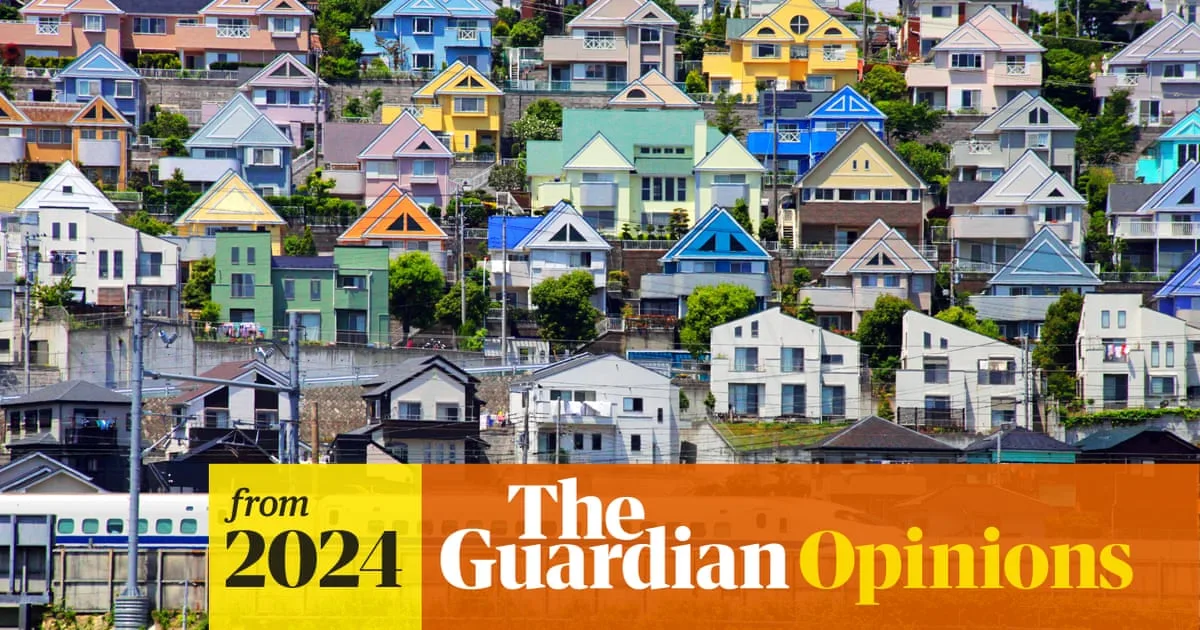
Japan, by contrast, has achieved relative affordability through high housing supply. While Sydney's median dwelling price is A$1.156m, Tokyo's is about A$680,000, and average rents are lower. This is not due to social housing—less than 5% of homes are socially rented—but because Japan builds many more homes, albeit smaller (average 94.85 sq metres versus 252 sq metres in Australia). The planning system uses simple zoning across 12 zones defined by nuisance levels, allowing broad development without site-by-site permission.
These examples show that while the housing crisis is global, solutions vary widely. New Zealand's mixed approach of supply-side funding and demand curbs contrasts with Japan's focus on volume through streamlined zoning. Both offer lessons, but political and social factors—like Nimbyism—often complicate progress.




