

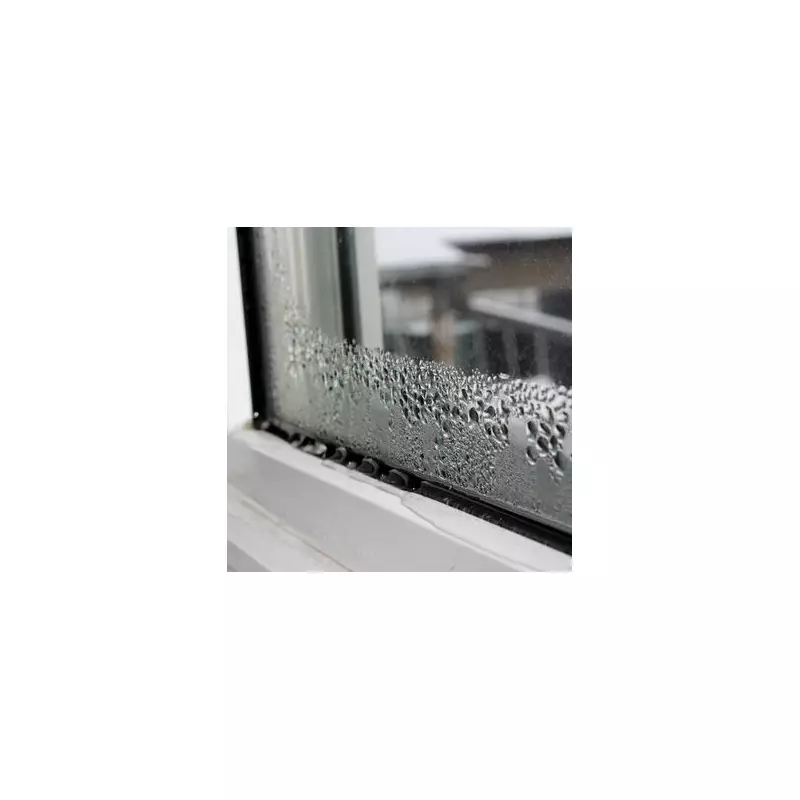
If you're waking up to foggy, water-streaked windows every morning, you're not alone. Millions of Britons face the same frustrating battle against condensation as temperatures plummet, but this common issue could be silently damaging your home and health.
Why Your Windows Are 'Crying' Every Morning
That morning condensation isn't just an annoyance - it's a warning sign. When warm, moist indoor air meets cold window surfaces, it transforms into liquid water droplets. While it might seem harmless, left untreated, this moisture creates the perfect breeding ground for black mould, which can damage window frames, walls, and even affect respiratory health.
Five Simple Hacks to Beat Condensation for Good
Ventilate, ventilate, ventilate: Open your windows for just 15-20 minutes each morning, even in winter. This simple act allows moist air to escape and drier air to circulate.

Dry clothes wisely: Avoid drying laundry on radiators indoors. If you must dry clothes inside, ensure the room is well-ventilated and keep the door closed.
Cook with lids on: When boiling vegetables or cooking soups, using lids can reduce moisture released into the air by up to 80%.
Invest in a dehumidifier: For particularly damp homes, a dehumidifier can work wonders by extracting excess moisture from the air.
Keep furniture away from walls: Ensure there's adequate space between your furniture and external walls to allow air to circulate freely.
The Hidden Danger You Can't Ignore
Persistent condensation isn't just about wiping windows. The real threat lies in what happens next. Damp conditions can lead to mould growth within 24-48 hours, potentially triggering allergies, asthma attacks, and other respiratory issues. For homeowners, it can mean costly repairs to damaged plaster, window frames, and decorations.
If you've tried these solutions and still face severe condensation, it might be time to consider whether your windows need upgrading or if there are underlying issues with your home's insulation or ventilation systems.






