
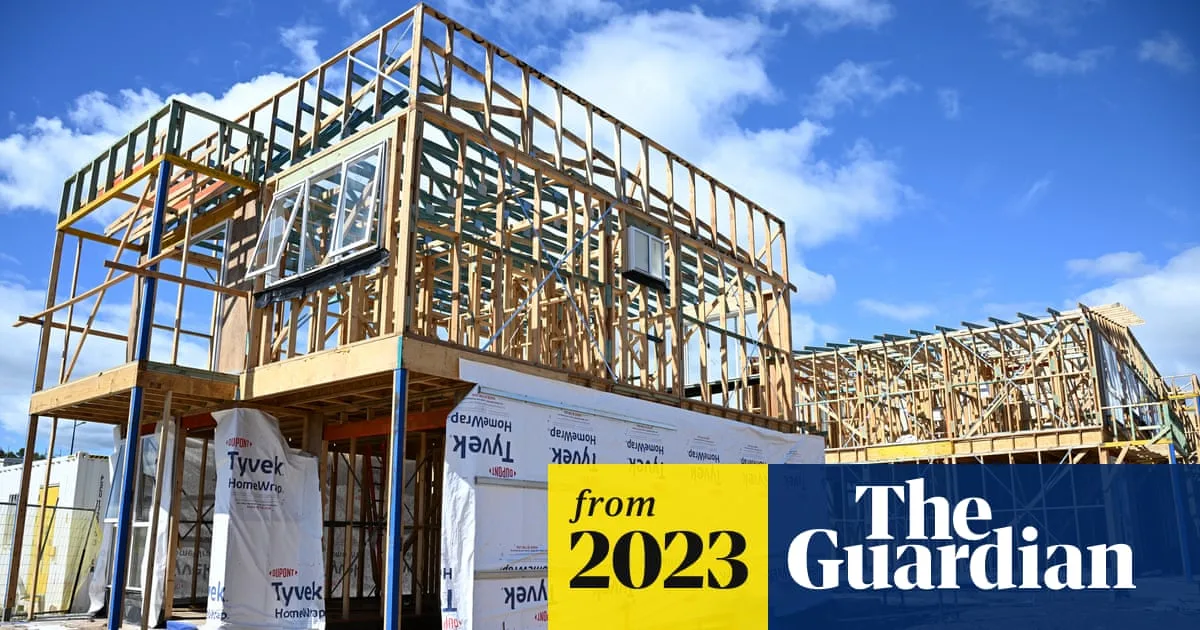
Developers across Australia are putting tens of thousands of approved housing projects on hold, with apartments and townhouses bearing the brunt of a construction cost surge. Analysis by KPMG reveals that in Victoria alone, paused projects have nearly doubled, with roughly 10,500 approved dwellings yet to break ground by the end of March, up from 5,000 a year earlier.
In New South Wales, almost 16,400 approved homes have failed to materialise, an increase of 2,600 over the past twelve months. The stalled rate is the highest since 2019, when a higher vacancy rate—3.5% compared to the current 1.4%—prompted developers to delay projects. Medium- and high-density developments account for about three-quarters of the delayed dwellings in both states.
KPMG urban economist Terry Rawnsley attributed the trend to a 29% rise in Sydney construction costs and 32% in Melbourne over the past three years. “The sticks and bricks, tiles and other inputs that used to arrive from China reliably before the pandemic have been disrupted,” he said, noting that global demand for materials and labour shortages have pushed prices up. Fuel price rises from global instability have compounded the issue.
Rawnsley explained that repeated interest rate rises have weakened buyers’ purchasing power, preventing developers from passing on higher costs in a “lacklustre” market. To minimise risk, builders are favouring detached homes over larger apartment blocks. “That risk is lower for a house than for a 50-apartment building which they might need to find $30m to build,” he said.
He described the situation as a “real conundrum” given tight rental markets, population growth, and a housing shortfall. “You’d think more housing would be coming in but we’ve got the opposite,” he added. Queensland and Western Australia have not experienced the same trend, with property prices remaining “comparatively more robust” in those states.




