Once hailed as a pandemic-era haven for its attractive tax rates and compelling property prices, Austin, Texas, is rapidly losing its appeal among the young professionals and families who flocked there just a few years ago. The southern city has transitioned from a severe housing shortage to a state of drastic overdevelopment, leaving properties languishing on the market and depreciating in value. This dramatic shift has not gone unnoticed by investors, who are now reassessing Austin's status as a desirable destination.
The Rise and Fall of Austin's Housing Market
Real estate developer Uri Man provided insight into Austin's unprecedented growth cycle during the Covid-19 pandemic. He explained that as tech workers began migrating to the city in droves, developers responded with an enormous wave of apartment construction. This surge in new units has temporarily tilted the market in favor of renters, resulting in more than two consecutive years of declining rental prices, according to Man's exclusive comments to The Daily Mail.
Recent data from Realtor.com reveals a troubling trend: Austin is now among four metropolitan areas with 50 percent more homes available on the market compared to pre-pandemic norms. This oversupply presents a bleak outlook for the city and poses significant challenges for homebuyers who invested during Austin's peak market conditions.

Rental Market Dynamics and Shifting Trends
While Austin briefly ranked among the most affordable cities for renters, this advantage appears to be fading. The Wall Street Journal reported that the city's apartment vacancy rate decreased last year for the first time since 2021, signaling that rental costs are likely to increase in the coming year. As Austin's rental market becomes more expensive, residents are increasingly seeking warmer, more welcoming living conditions elsewhere, creating opportunities for alternative destinations to benefit from Austin's decline.
Wilmington, North Carolina: The Emerging Alternative
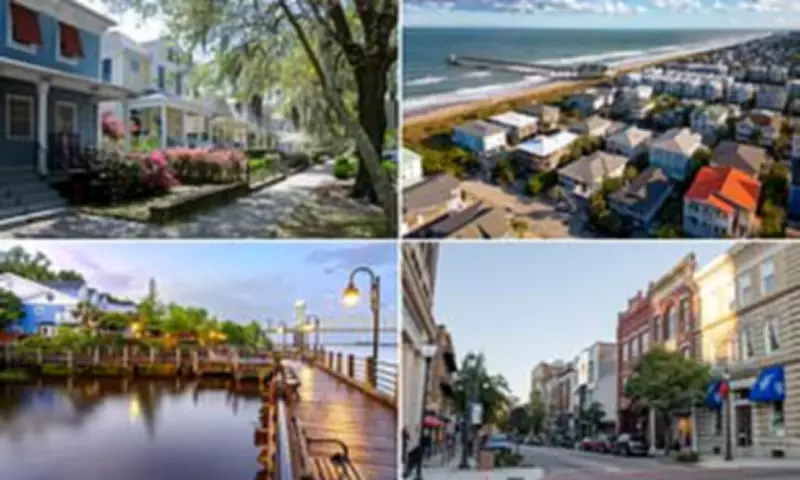
Located in southeastern North Carolina, Wilmington has emerged as a compelling alternative to Austin's waning appeal. The city boasts a historic downtown district and a picturesque riverwalk stretching nearly two miles along the Cape Fear River. With convenient access to Wilmington International Airport and proximity to popular family destinations like Myrtle Beach, just an hour and a half away by car, Wilmington offers both charm and practicality.
Statistical evidence confirms Wilmington's rapid growth trajectory. The number of occupied housing units in 2024 is estimated at 213,704, representing an astonishing increase of over 92 percent since 2014. In contrast, Austin's growth in occupied apartments during the same period stands at approximately 50 percent, highlighting Wilmington's superior expansion rate.
Factors Driving Wilmington's Popularity
Experts attribute Wilmington's surge in popularity to several key factors, including a robust job market, mild winter climate, and exceptional affordability. This affordability stands in stark contrast to liberal-leaning metropolitan areas such as San Francisco, San Jose, New York City, and San Diego, which maintain the highest cost of living in the United States.
A 2025 report from PODS Moving and Storage identified Wilmington as a top destination for relocating Americans. Rich Schwartz of PODS noted that the data reflects a growing desire for warmer climates, lower living costs, and an enhanced focus on balance and quality of life among those seeking new homes.
Cultural Shifts and Market Realities in Austin
Beyond economic factors, some observers point to cultural changes as contributing to Austin's diminishing appeal. The so-called 'Joe Rogan effect' has seen conservative podcasters and others who migrated from liberal strongholds like California and New York during the pandemic years express dissatisfaction with the southern city. This cultural shift has left real estate agents grappling with an abundance of unsold properties.
According to Redfin data, Austin currently has 10,000 more homes listed for sale than prospective buyers actively seeking to purchase, establishing it as the strongest buyer's market in the nation as of January. This imbalance underscores the significant challenges facing Austin's real estate sector.

Austin's Remaining Strengths and Future Prospects
Despite these challenges, some industry experts caution against writing off Austin entirely. Uri Man emphasized that from a financial perspective, Austin still offers a compelling balance compared to many other rapidly growing metropolitan areas. He highlighted Texas's lack of state income tax and Austin's abundant job opportunities as enduring advantages, though he acknowledged that renters must consider rising property taxes and increasing cost of living pressures.
Mike Steward, Vice President of Real Estate Sales at Real Property Management with two decades of experience in property management, told The Daily Mail that Austin continues to demonstrate 'long-run demand.' He noted that while other 'next-wave' metropolitan areas may appear stronger in terms of near-term competition and immediate demand, Austin has regained relevance for renters seeking relative value in a growth market, particularly as rental prices have retreated from their peak more significantly than many Sun Belt counterparts.
The evolving real estate landscape suggests that while Austin's unprecedented boom may have cooled, the city retains fundamental strengths that could support future stability. Meanwhile, destinations like Wilmington, North Carolina, are capitalizing on changing preferences to establish themselves as attractive alternatives for those seeking affordability, quality of life, and sustainable growth.