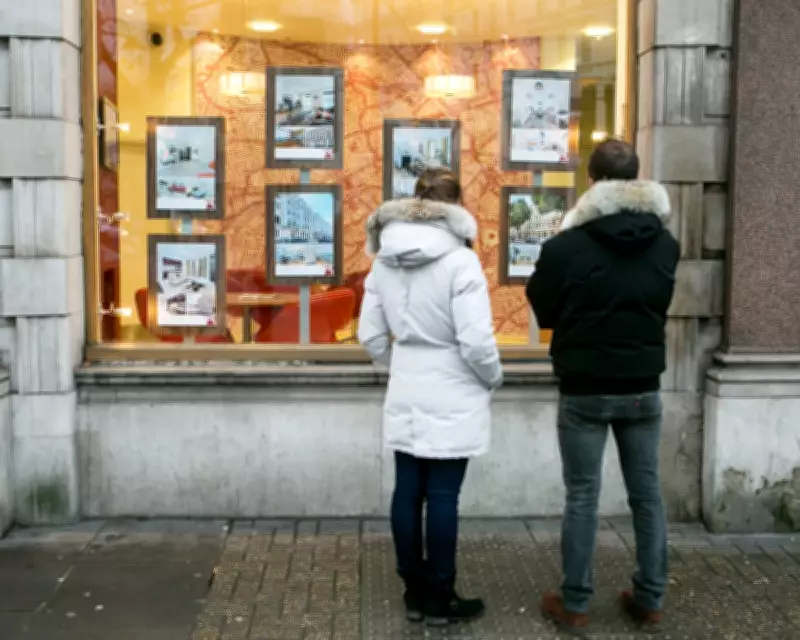
The UK property market is witnessing a remarkable trend, but it's one that leaves many creative professionals out in the cold. A recent analysis highlights a significant surge in the sale of so-called 'fantasy houses'—luxury properties with extravagant features and premium price tags. However, this boom is largely inaccessible to artists, who are increasingly priced out of the market, sparking debates about affordability and cultural inclusivity in urban development.
The Rise of Fantasy Houses
Fantasy houses, characterised by their opulent designs, high-end amenities, and often futuristic or bespoke architectural elements, have seen a sharp increase in demand. These properties, typically located in prime urban areas or scenic countryside spots, cater to affluent buyers seeking unique living spaces. From smart home technologies to eco-friendly innovations and custom art installations, these homes represent the pinnacle of luxury real estate. Market data indicates that sales have grown by over 20% in the past year, driven by investor interest and a growing appetite for exclusive lifestyles.
Artists Struggling to Keep Up
For artists, however, this trend paints a bleak picture. Many rely on affordable studio spaces and modest housing to sustain their creative practices, but rising property prices are making this increasingly difficult. The average cost of a fantasy house can exceed £1 million, far beyond the reach of most artists, whose incomes are often irregular and lower than average. This disparity is forcing many to relocate to cheaper areas, potentially diluting the cultural vibrancy of cities known for their artistic communities, such as London, Manchester, and Bristol.

Impact on Cultural Diversity
The exclusion of artists from the property market has broader implications for cultural diversity and urban life. Artists often contribute to local economies through galleries, performances, and community projects, but without affordable housing, their presence in key cultural hubs is at risk. Experts warn that this could lead to a homogenisation of urban spaces, where only the wealthy can afford to live, undermining the creative spirit that attracts tourists and residents alike. Some cities are exploring initiatives to support artists, such as subsidised housing or dedicated creative zones, but these efforts are often limited in scale.
Market Dynamics and Future Outlook
The fantasy house market is buoyed by factors like low interest rates, foreign investment, and a post-pandemic desire for personalised living spaces. However, this growth is not without controversy. Critics argue that it exacerbates housing inequality and diverts resources from more affordable housing projects. Looking ahead, market analysts predict that the trend may continue, especially if economic conditions remain favourable for high-end buyers. Yet, there is growing pressure on policymakers to address the affordability crisis, with calls for stricter regulations on luxury developments and increased support for creative professionals.
In summary, while the fantasy house market offers a glimpse into luxury living, it highlights a widening gap in housing accessibility. Artists, as key contributors to cultural richness, are finding themselves sidelined, prompting urgent discussions about how to balance market growth with social inclusivity in the UK's property landscape.