

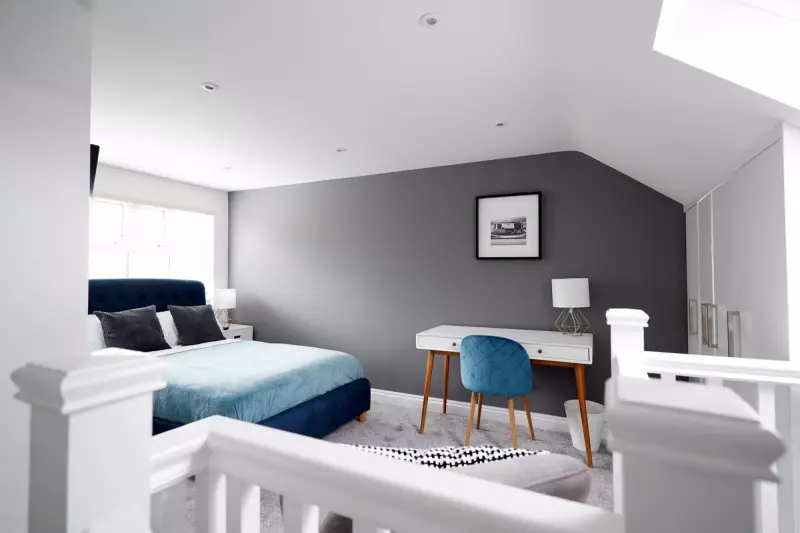
If you're dreaming of more space without the upheaval of moving, a loft conversion could be the perfect home improvement project for 2026. Transforming your attic or roof space is a savvy way to significantly boost your living area, adding an extra room and increasing your property's value.
Navigating Planning Permission and Budgets
According to Costel Radescu, founder of CR Group, the first critical step is to determine if your project needs planning permission. Some conversions can be done under 'permitted development' rights, avoiding the need for formal approval.
Common loft conversions that may not require full planning permission include dormer conversions, provided they don't exceed the existing roof height, and Velux or roof light conversions if the roof structure remains largely unchanged. Hip-to-gable conversions might also be permitted if they meet specific size restrictions.

However, Radescu warns that planning permission will be required if your home is in a conservation area, is a listed building, or if the proposed work exceeds volume limits. He recommends checking your local council's planning portal online and consulting a professional for tailored advice. Application fees can range from £300 to £2,000, plus additional costs for design and surveys.
Setting a Realistic Budget and Choosing a Builder
A loft conversion is a major financial commitment. Radescu provides the following estimated starting budgets to help homeowners plan:
- Basic loft conversion: £30,000–£60,000
- Dormer conversion: £60,000–£90,000
- Hip to gable conversion: £90,000–£120,000
- Luxury or high-end conversion: £130,000+
He strongly advises obtaining detailed quotes from at least three builders. Key factors to compare include a full cost breakdown, project management services, client references, expected timelines, and warranty provisions. "Local recommendations are invaluable," highlights Radescu, suggesting that neighbours who have undergone similar work can point you to reliable, area-knowledgeable builders.
Design, Regulations, and Adding Value
Careful planning of the new space is crucial. Consider whether it will be a bedroom with an ensuite, a home office, or a playroom. Maximising natural light through well-placed windows or dormers and incorporating built-in storage to utilise eaves space are essential design principles.
All conversions must comply with UK building regulations covering structural safety, insulation, and fire protection. Your builder should guide you, but understanding requirements early—such as the potential need for fire doors—can prevent costly surprises later.
Finally, while a loft conversion typically boosts property value, it's wise to research local market trends. Speaking to a local estate agent can help you estimate the potential return on your investment. For many, the decision to expand is driven by a love for their neighbourhood, schools, and community, making the project worthwhile beyond pure financial gain.
By thoroughly researching planning rules, setting a clear budget, and choosing the right builder, you can create a fantastic new space that enhances your home life and its long-term market appeal.






