

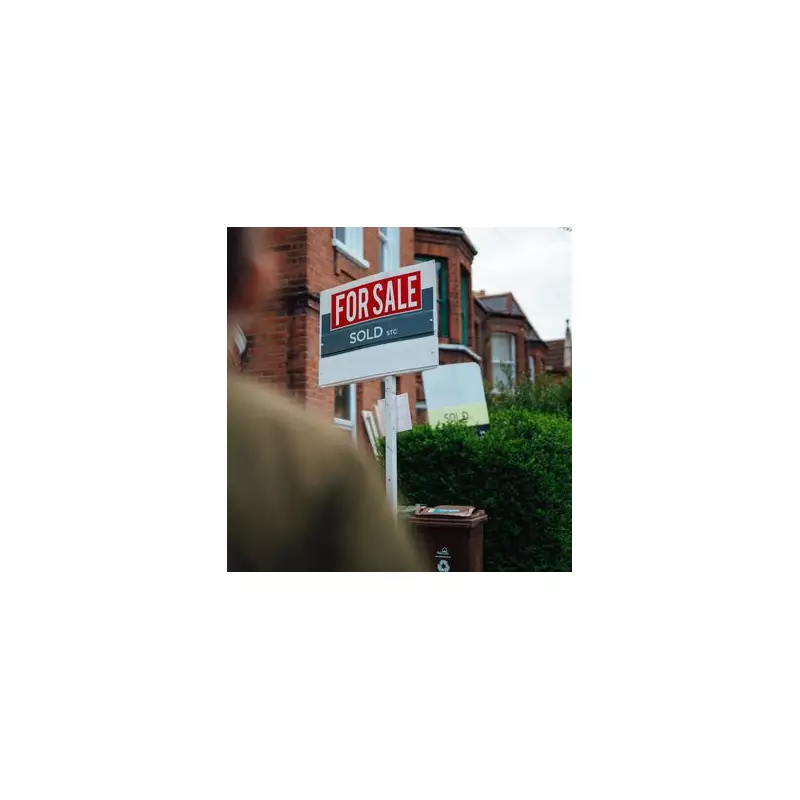
New analysis has laid bare the dramatic and divergent trends shaping the UK's property landscape in 2025, identifying the 20 areas where prices have surged and the 20 where they have fallen most sharply.
The national picture was a mixed one, with the market showing early strength before softening considerably towards the year's end. The Nationwide House Price Index recorded growth of just 0.6% by December, a significant slowdown from the 1.8% reported in November.
The Top Performers: Seaside Charm and Northern Value
Leading the charge is the picturesque seaside town of Aldeburgh in East Suffolk. Properties in the IP15 postcode commanded an average sale price of nearly £775,000 in 2025, marking an astonishing 77% increase from the 2024 average of £612,000. This represents the largest percentage rise of any postcode in England and Wales with at least 20 sales.

In a striking contrast, the Usworth area of Washington, Tyne and Wear (NE37), one of the country's more affordable locales, recorded the second-highest growth. Average prices there jumped 26%, from £130,000 in 2024 to £164,000 in 2025.
Other notable hotspots include Firswood, Manchester (M16), where prices rose 23%, likely benefiting from spillover demand from pricier neighbouring suburbs. Caldecotte, Milton Keynes (MK7) and New Tredegar, Wales (NP24) both saw increases of 22%.
The Cooling Markets: Luxury Leads the Decline
At the opposite end of the spectrum, some of the nation's most exclusive addresses have experienced the steepest declines. The central London district of Belgravia (SW1X), a traditional enclave for the wealthy, saw average property prices more than halve. They fell by a staggering 51%, from over £5.5 million in 2024 to an average of £2.7 million in 2025.
The picturesque Cotswolds village of Broadway (WR12), a favourite retreat, wasn't immune, with prices dropping 36% to an average of £456,000. London's Fitzrovia (W1T) also entered the cold spots list, with a 33% decrease bringing average prices to £916,000.
A Nation of Contrasts
The full lists underscore a property market defined by regional and sectoral shifts. The top 20 hotspots feature a blend of coastal destinations, commuter towns, and areas in the North and Midlands offering relative value.
The top 20 postcode area price increases were:
- IP15 (Aldeburgh, Suffolk): 77%
- NE37 (Usworth, Sunderland): 26%
- M16 (Firswood, Manchester): 23%
- MK7 (Caldecotte, Milton Keynes): 22%
- NP24 (New Tredegar, Caerphilly): 22%
- LD8 (Presteigne, Powys): 21%
- SY18 (Llanidloes, Powys): 20%
- L24 (Hale, Liverpool): 20%
- WR1 (Worcester, Worcestershire): 19%
- OL1 (Chadderton, Oldham): 18%
- HX4 (Barkisland, Calderdale): 18%
- DL4 (Shildon, County Durham): 18%
- L4 (Anfield, Liverpool): 17%
- SA65 (Fishguard, Pembrokeshire): 17%
- LN7 (Market Rasen, Lincolnshire): 17%
- L20 (Bootle, Merseyside): 17%
- MK2 (Brickfields, Milton Keynes): 16%
- DL17 (Ferryhill, County Durham): 16%
- LL26 (Llanrwst, Conwy): 16%
- DN38 (Barnetby, North Lincolnshire): 16%
The 20 postcodes with the largest price decreases were:

- SW1X (Belgravia, Westminster): -51%
- WR12 (Broadway, Worcestershire): -36%
- W1T (Fitzrovia, Camden): -33%
- RG25 (Cliddesden, Basingstoke): -30%
- TA22 (Dulverton, Somerset): -30%
- N2 (East Finchley, Barnet): -29%
- PL28 (Padstow, Cornwall): -29%
- B94 (Olton, Solihull): -28%
- GU25 (Virginia Water, Runnymede): -27%
- CA12 (Keswick, Cumbria): -26%
- BA7 (Castle Cary, Somerset): -26%
- EC1R (Finsbury, Islington): -26%
- KT13 (Weybridge, Surrey): -25%
- SW5 (Earl’s Court, Kensington and Chelsea): -24%
- LL59 (Menai Bridge, Isle of Anglesey): -24%
- SE21 (Dulwich, Camberwell): -24%
- W8 (Kensington, London): -24%
- LA23 (Windermere, Cumbria): -23%
- SO43 (Lyndhurst, New Forest): -23%
- PE31 (Wolferton, King's Lynn): -22%
This data, drawn from the Land Registry and analysed for the year to December 2025, paints a clear picture of a market in transition, where buyer focus has shifted decisively, creating winners and losers in unexpected places.





