Global Stock Market Sell-Off Intensifies as Oil and Gas Prices Surge Higher
European and US financial markets experienced a severe downturn on Tuesday, plunging deep into negative territory as escalating geopolitical tensions in the Middle East reverberated across global exchanges. The sell-off gathered significant momentum throughout the trading day, driven primarily by supply disruptions that sent oil and gas prices soaring to alarming heights.
Major Indexes Suffer Steep Declines
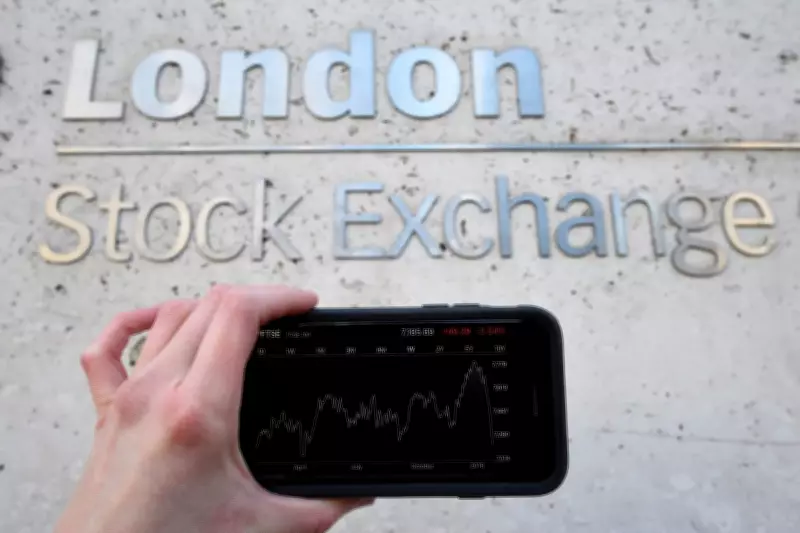
The UK's benchmark FTSE 100 index shed nearly 300 points, closing approximately 2.75% lower as investor confidence waned. Continental European markets faced even steeper declines, with France's Cac 40 index plunging by 3.5% and Germany's Dax closing 3.6% lower. Across the Atlantic, top US markets were tumbling during morning trading sessions, with the S&P 500 down around 1.7% and the Dow Jones Industrial Average falling 1.8% by the time European markets concluded their trading day.
Energy Prices Spike Amid Supply Disruptions
Oil and gas prices continued their dramatic ascent following significant disruptions to key shipping routes in the Middle East. The situation worsened when Qatar halted production of liquified natural gas on Monday after attacks targeted its facilities. Brent crude oil prices surged by nearly 8% to approximately $83.85 per barrel during Tuesday afternoon trading, reflecting growing concerns about sustained supply constraints.

Jack Reid, an economist at Oxford Economics, emphasized the region's critical importance for global energy markets, noting that production at Qatari plants represents about one-fifth of worldwide LNG supply. "Qatari LNG accounts for only 11% of European LNG imports," Reid explained. "However, disruption to global LNG flows will force European buyers to compete with Asian markets to procure their required gas volumes."
Broader Economic Implications Emerge
The conflict's repercussions extended beyond energy markets, with airline stocks taking a severe hammering due to widespread flight disruptions caused by the escalating tensions. Banking sectors also declined significantly as investors grew increasingly concerned about potential knock-on effects to the broader global economy. The pound sterling found itself caught in the crossfire, falling 0.6% against the US dollar to 1.333 as currency markets reacted to the unfolding crisis.
Lindsay James, an investment strategist at Quilter, warned that the Iranian conflict had entered its fourth day with no signs of de-escalation. "Any ceasefire for now looks like a remote possibility as Iran appears content with damaging Western interests in the Middle East by targeting other Arab states that house US military bases," James stated. "As a result, investors should be prepared for an extended period where global markets are buffeted and states take extraordinary actions to protect their own interests."
Analysts Forecast Continued Market Volatility
Reid's baseline forecast at Oxford Economics anticipates moderate disruption to trade flows for up to a couple of months, with the group upgrading its outlook for some natural gas prices by 30%. "Nonetheless, we do not expect a complete loss of LNG transit from the Gulf, and Europe's gas market has grown more resilient since the energy crisis," he added cautiously.
The market turmoil followed US President Donald Trump's warning that military operations against Iran could take "far longer" than initial projections of a four-to-five-week timeframe. James highlighted the particularly worrying element that this conflict has the potential to escalate further, potentially damaging global trade and making the shipment of goods and commodities increasingly difficult across international supply chains.