Universities in Yorkshire and Lincolnshire have spent over £100 million making more than 6,000 staff redundant since 2015, according to BBC analysis of published accounts. The redundancies come as institutions struggle with rising costs and frozen domestic tuition fees, while changes to visa rules have reduced international student numbers.
The University and College Union (UCU) described the situation as a 'perfect storm' for the sector. Julie Kelly, UCU regional organiser for Yorkshire & The Humber, said universities had been 'hit by the loss of international students' and faced a 'long-running problem', with some having borrowed heavily for building projects now struggling with repayments.
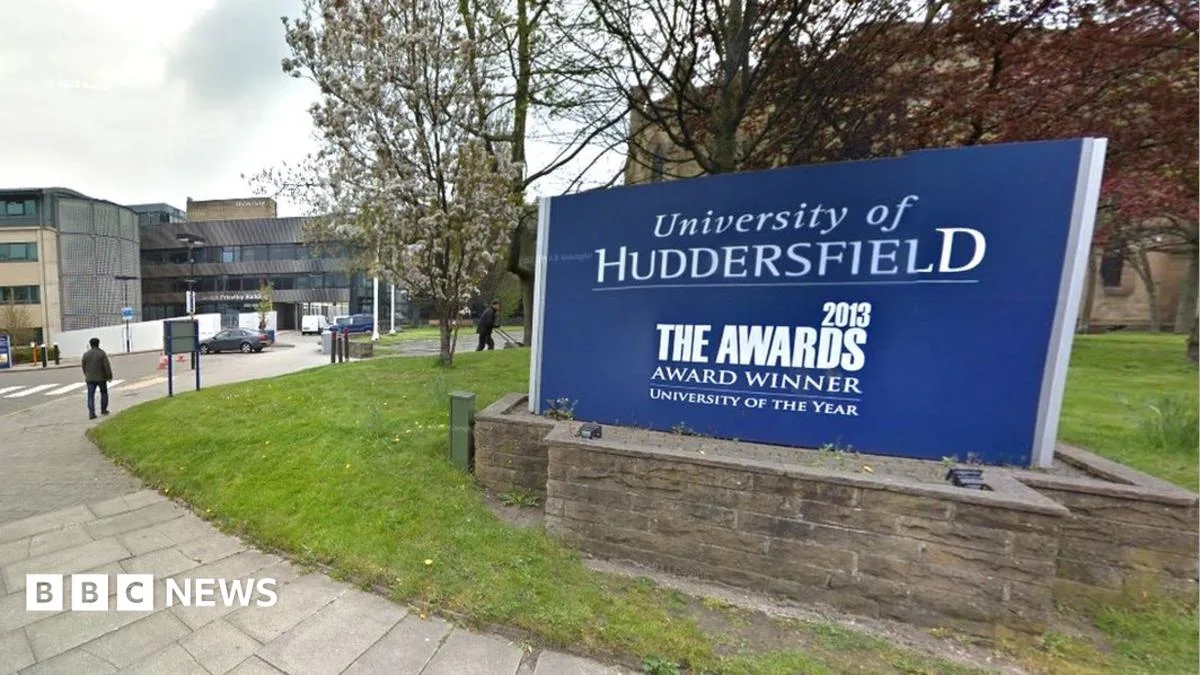
York St John University, which recently announced job cuts, cited 'financial challenges common across the sector' due to a predicted drop in international enrolments. The University of Bradford opened a voluntary redundancy scheme to save £10m, while the University of Huddersfield plans to cut one in ten of its workforce as part of a 'transformational change programme'.

Students have voiced concerns about the impact on their education. Khal Boterill, a PhD student at Huddersfield, said staff leaving mid-course had been 'really damaging' to his studies. Graduate Megan Horner said she felt 'let down' by the system, having had to seek employment instead of returning for a Master's degree.
The University of Huddersfield told the BBC the cuts were a 'proactive effort to secure a dynamic and sustainable future' during a 'financial crisis' in higher education. Both the Conservatives and Labour are expected to outline their plans for university funding in their general election manifestos next month.