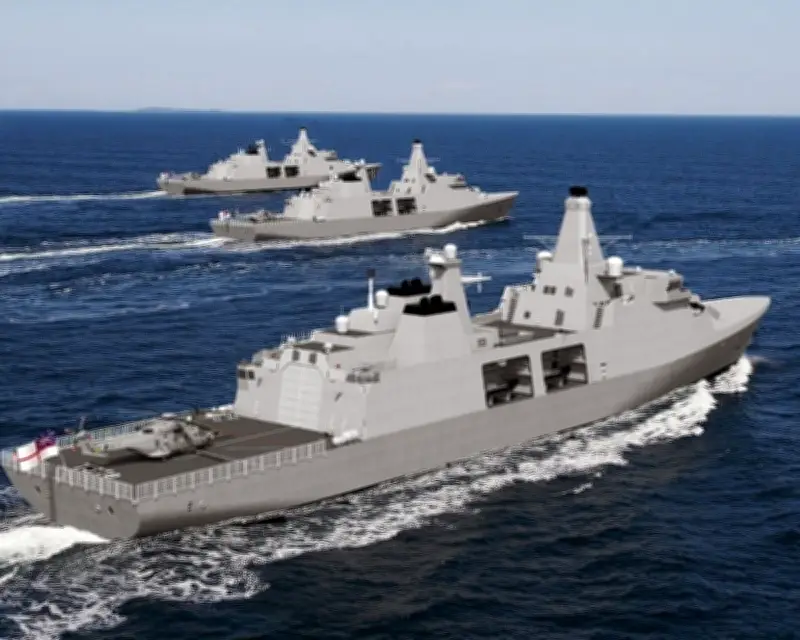
Babcock International has reported a dramatic plunge in profits, falling 90% in the last financial year, as the defence contractor blamed the dual impact of Brexit and the Covid-19 pandemic for significant delays and cost overruns on a crucial Royal Navy contract.
The company, which provides support services to the UK's armed forces, said its pre-tax profit dropped to just £10 million, down from £100 million the previous year. The sharp decline was primarily attributed to the Type 31 frigate programme, a £1.25 billion contract to build five warships for the Royal Navy.
Brexit and Covid Disruptions
Babcock stated that the combination of Brexit-related customs delays and pandemic-induced supply chain disruptions had severely impacted the project's timeline and budget. The company noted that it had to absorb additional costs due to the extended construction period and increased material expenses.

"The Type 31 programme has been beset by challenges arising from Brexit and Covid-19, which have led to delays and cost overruns," said Babcock's chief executive, David Lockwood. "We are working closely with our supply chain and the Ministry of Defence to mitigate these issues and deliver these vital warships."
Financial Impact and Market Reaction
Babcock's revenue also fell by 5% to £4.4 billion, reflecting the broader challenges facing the company. The defence contractor's shares dropped by 8% on the London Stock Exchange following the announcement, as investors reacted to the grim financial outlook.
The company warned that the situation could worsen, with further cost pressures expected in the current financial year. Babcock said it was reviewing its operations and implementing cost-cutting measures to offset the impact.
Royal Navy Contract Details
The Type 31 frigate programme is a key part of the UK government's naval modernisation plans. The five warships are intended to replace older frigates and enhance the Royal Navy's capabilities. The contract was awarded to Babcock in 2019, with the first vessel expected to be delivered by 2027.
However, the delays have raised concerns about the programme's viability. The Ministry of Defence said it was monitoring the situation closely and working with Babcock to ensure the project remains on track. "We are aware of the challenges facing the Type 31 programme and are engaging with Babcock to address them," a spokesperson said.
Broader Industry Context
Babcock's difficulties reflect wider challenges in the UK defence industry, which has been grappling with supply chain disruptions, labour shortages, and inflationary pressures. The company's struggles also highlight the long-term impact of Brexit and the pandemic on major infrastructure projects.
Analysts said the profit plunge was a stark reminder of the risks facing defence contractors in the current economic climate. "Babcock's results underscore the significant headwinds facing the sector, from rising costs to project delays," said a defence industry analyst at Investec. "The company will need to navigate these challenges carefully to restore investor confidence."