

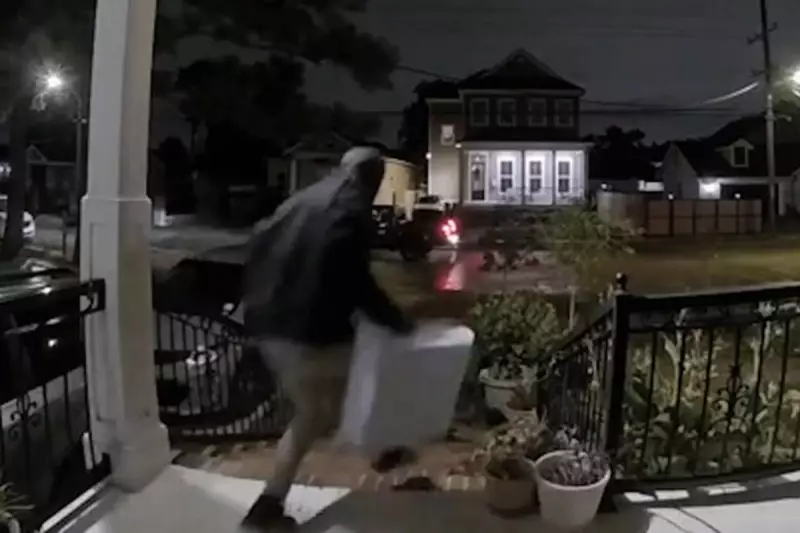
The festive season's excitement of a delivered package can swiftly turn to dismay upon discovering an empty doorstep. So-called 'porch pirates' are plaguing communities, with security firm SafeWise reporting that more than 100 million packages have been stolen this year alone.
The Legislative Fight Against Package Theft
In response to this escalating crisis, lawmakers are stepping in. This week, New Jersey Congressman Josh Gottheimer proposed new legislation dubbed the Porch Pirates Act. In a statement, Gottheimer framed the issue in stark terms, declaring, "There's a literal Grinch that tears through neighborhoods, stealing away Christmas presents and essentials from grandparents and children alike." He emphasised the need for action, stating, "We can't let the holidays be snatched away from us in broad daylight by a bunch of porch pirates."
The problem is felt acutely by consumers who track a delivery only to find it vanished. The scenario is common: a notification confirms delivery while you're at work, but by the time you return home, the parcel is gone, lifted by a thief in a matter of moments.

Renters Insurance: An Underutilised Shield
Amid the bleak outlook, a potential solution exists in an often-overlooked protection plan: renters insurance. According to estimates from Geico, the average policy includes coverage for stolen packages, yet only 20 percent of renters actually possess this insurance.
For those with a policy, or considering one, experts advise asking critical questions before filing a claim for porch piracy. Firstly, is the stolen item's value greater than your deductible? Deductibles—the amount you pay out-of-pocket on a claim—typically range from $250 to over $2,000, as noted by insurer Progressive. Filing a claim for an item worth less than your deductible, like a $350 vacuum with a $500 deductible, means you would pay more than the item's original cost, not to mention potential future premium increases.
Understanding Coverage Limits and Timelines
Secondly, what are your policy's specific limits and restrictions? Coverage hinges on 'personal property coverage,' which reimburses for theft, fire, and other insured events. Limits can vary widely, often from $10,000 to $100,000, with a typical policy offering around $50,000 in protection. These terms are influenced by factors like home security, whether you live with roommates, and if you store high-value items.
A crucial, practical consideration is the claims timeline. Insurance marketplace Goodcover indicates that renters insurance claims can take a month or longer to process. For households where finances are already stretched thin during the holidays, this delay means the money spent on the stolen goods won't be recouped for weeks, potentially making a claim an unsuitable quick fix.
Alternative Routes to Compensation
While renters insurance is a direct route, other avenues exist for seeking redress after a porch piracy incident. Some retailers, most notably Amazon, have processes for refunds or replacements if a delivery is stolen from your property. Dedicated services like PorchPals also offer niche coverage for around $10 a month, though with limitations such as a cap of three claims per year and a maximum reimbursement of $2,000 per package.
Many credit cards provide purchase protection that may cover theft, but coverage exclusions are common for items like jewellery, antiques, or collectables. It is vital to check your card's specific terms. Finally, the shipping carrier itself may offer a claims process; FedEx, for example, provides a specific form for stolen packages. When choosing a shipper, considering added insurance that explicitly covers porch theft can be a wise precaution.
As package theft continues to surge, understanding your insurance options and the alternatives available becomes an essential part of modern consumer awareness.






