LA Wildfires Expose Broken US Insurance Industry Amid Climate Crisis
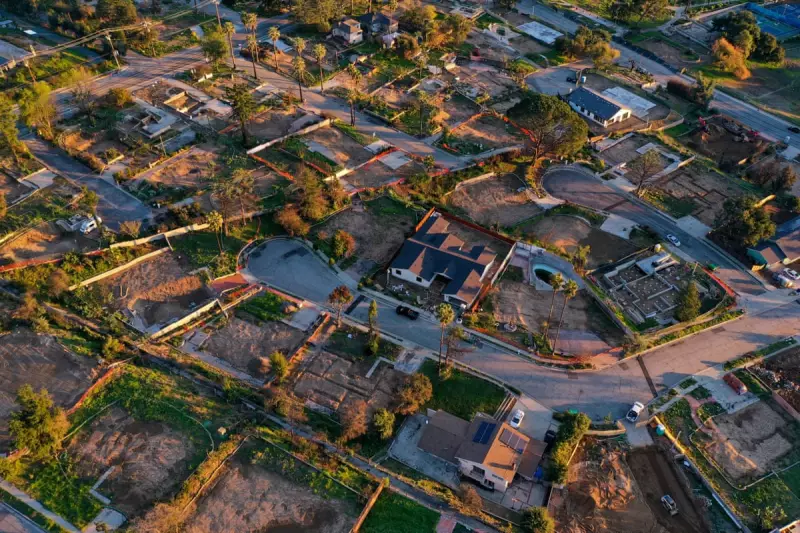
In the aftermath of the devastating wildfires that ravaged Los Angeles, homeowners like Jessica and Matt Conkle have found themselves entangled in a frustrating battle with their insurance providers. Their experience, marked by delays, lowball offers, and outright denials, underscores a deepening crisis within the US insurance industry as it grapples with the escalating impacts of climate volatility.
A Glimmer of Hope Turns to Frustration
For the Conkles, who lost their midcentury ranch home in Altadena, California, the initial response from their insurer, State Farm, seemed promising. Emergency teams were dispatched, and a check covering four months of living expenses arrived promptly. However, the process soon bogged down into a tedious negotiation over the value of lost possessions, with multiple claims adjusters and poor communication exacerbating their distress.
"It was all delays and denials," said Jessica Conkle, a public education administrator. "It felt like someone was training these people not to answer our questions." They faced challenges such as undervalued items, like their Waterford crystal collection, and struggled to get responses when disputing valuations, highlighting systemic issues in claims handling.

Broader Patterns of Obstruction
The Conkles' ordeal is not isolated. Reports from the nonprofit Department of Angels reveal that nearly eight out of ten surveyed homeowners in fire-ravaged LA neighborhoods encountered similar obstacles, including multiple adjusters, lowball estimates, and fights over property lists. Interestingly, those with partial damage reported even more severe frustrations than those who lost everything, suggesting a widespread failure in fair treatment.
This situation exemplifies a much broader crisis. Insurance companies, citing increased risks from climate-driven disasters like wildfires, hurricanes, and tornadoes, have lobbied for steep premium increases. This has squeezed all but the wealthiest homeowners, leaving many under-insured or reliant on state-sponsored plans like California's Fair plan, which often offer inferior coverage.
Profits Amidst Pain
Despite these challenges, the US insurance industry generated record profits of $169 billion last year, with 2025 on track for another bonanza. The bulk of these profits come from investing premium income in booming financial markets, creating a stark disparity with struggling policyholders. This has fueled a movement across California and beyond, demanding an end to the industry's lobbying grip on regulators and more equitable solutions to spread climate risks.
Douglas Heller, director of insurance at the Consumer Federation of America, charged, "We need regulators who are willing to fight for consumers... around the country including here in California the regulators have responded with deference to insurance companies. That's a mistake, and we're paying for it."
Regulatory Failures and Consumer Backlash
Criticism has also been directed at California's Department of Insurance, seen by many as captured by corporate interests. Consumer advocates give low marks to Commissioner Ricardo Lara, who admitted his department was "bullied" by the industry into climate-related accommodations. In response, activists like Joy Chen of the Eaton Fire Survivors Network have taken matters into their own hands, cataloguing experiences to pressure insurers and regulators.
Chen's efforts led to a Los Angeles county investigation into State Farm's compliance with state laws, which reportedly unblocked stalled claims and accelerated payouts. "This crisis isn't inevitable. It's a failure of leadership and enforcement," says Chen, who has called for Lara's resignation.
The Climate Context and Future Outlook
Behind these struggles lies the obstinate fact of increasing catastrophic events. Last year, global underwriting losses from natural catastrophes exceeded the 21st-century average by 54%, with 2025 already seeing over $100 billion in losses in the first half alone. As private insurers become more risk-averse, state-sponsored plans are playing a bigger role, but experts warn this is neither sustainable nor sufficient.

Dave Jones, former California insurance commissioner, argues that price increases and deregulation won't solve the crisis. He advocates for stronger consumer protections, realistic rebuilding cost updates, and industry divestment from fossil fuels. "We're marching toward an uninsurable future because we're not doing enough to transition from greenhouse gas industries," he said, foreseeing higher prices and scaled-back coverage in high-risk areas.
Despite this grim outlook, insurance companies continue to profit, drawing ire from survivors. Chen emphasizes, "We're not against the industry. We are simply against illegal conduct." As climate extremes worsen, the need for reform in the insurance sector becomes ever more urgent to protect home ownership and housing affordability, the bedrock of the American middle class.