Maritime Insurers Cancel War Risk Cover in Gulf as Iran Conflict Disrupts Shipping
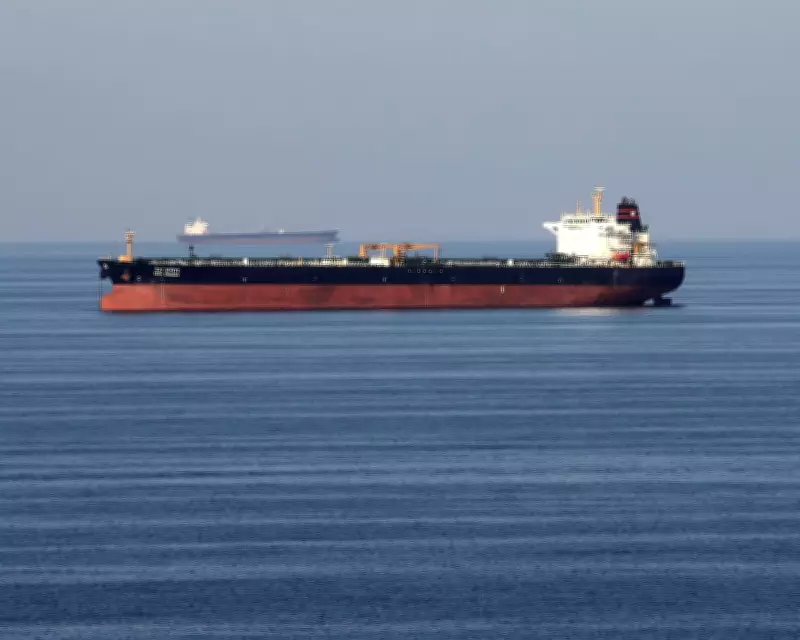
Leading maritime insurers have cancelled war risk cover for vessels operating in the Gulf, as escalating conflict involving Iran disrupts global shipping and sends freight costs surging. The vital Strait of Hormuz, through which approximately 20% of the world's oil supplies and 20% of seaborne gas tankers pass, is effectively closed following intense US and Israel airstrikes on Iran that began on Saturday.
Vessels Anchor and Reroute Amidst Closure
At least 150 vessels, including oil and liquefied natural gas tankers, have dropped anchor in the Strait of Hormuz and surrounding waters. This closure has forced significant rerouting, with major shipping companies like Denmark's Maersk, Germany's Hapag-Lloyd, and France's CMA CGM diverting all sailings away from the Red Sea and around Africa until further notice. Denmark's Norden has suspended all new business requiring transit through the strait.
The withdrawal of war risk cover is likely to further dissuade shipowners from traversing the Gulf. Insurers, including Norway's Gard and Skuld, the UK's North Standard and London P&I Club, and the New York-based American Club, announced cancellations effective from 5 March. This cover typically protects shipowners from costs and damages due to war, terrorism, and piracy in Iranian waters, the Gulf, and adjacent areas.

Freight Costs Surge and Regional Disruption
The cost of transporting goods has jumped sharply as shipping reroutes and oil prices rise. The Containerized Freight Index tracked by Trading Economics increased by 6.5% on Monday. According to the online shipping marketplace Freightos, terminal container rates for Shanghai to Jebel Ali in Dubai surged from $1,800 for a 40-foot container on Saturday to about $3,700 on Monday.
Dubai-based DP World temporarily suspended operations at Jebel Ali over the weekend after an aerial interception caused a fire on Saturday night, though operations have since resumed. Freightos noted that while only 2% to 3% of global container volumes pass through the Strait of Hormuz, its closure significantly disrupts services for importers and exporters in the Middle East, leading to higher costs.
John Wyn Evans, head of market analysis at Rathbones, explained: "Any rate increases would be linked to a combination of rerouting and higher oil prices; rerouting involves being at sea for longer which reduces capacity and if the cargoes have to get there by a certain time, they have to sail faster, which uses up more fuel."
Broader Regional Threats and Insurance Impacts
Iran-backed Houthi rebels in Yemen, who had paused attacks on Red Sea vessels since October, have threatened to resume strikes, adding to regional instability. In response, CMA CGM has imposed an emergency conflict surcharge of between $2,000 and $4,000 per container on cargo moving through the region.
Shares in Beazley, a leading marine insurer in Lloyd's of London, initially dropped 2.8% as investors worried about potential large insurance losses from the Middle East and risks to its takeover by Zurich. However, the share price rebounded by 1.8% after the companies announced an £8.2 billion deal agreement on Monday afternoon.
Analysts at Jefferies commented: "The announcement might also be read as a signal that Beazley's loss exposures, and likely those of the broader specialty insurance market, remain contained." Beazley wrote just over $500 million in premiums for marine insurance in 2024, about 8% of its total book, with exposure to war-related risks estimated in the low single digits of its overall business.