

Households across the United Kingdom are being alerted to a potentially ruinous heating error this winter, with insurance experts warning it could lead to repair bills running into tens of thousands of pounds.
The Costly Loft Tank Freeze
According to insurance specialist Matt Durrant of i4me, a surprisingly frequent oversight involves loft water tanks. During cold snaps, these tanks can freeze or overflow, leading to catastrophic internal flooding. "It's a perfect storm," Durrant explained. "When a ballcock valve in a loft tank fails, water can flow continuously. If the tank freezes, it can split or overflow, and the water doesn't trickle. It cascades through the house."
The financial fallout is severe, particularly in older properties with period features. Durrant notes that insurance claims from such incidents regularly exceed £75,000, ranking them among the most expensive domestic winter claims in the country.

Why Insulation Can Make Things Worse
Ironically, a key energy-saving measure can heighten the risk. While homeowners are correctly advised to insulate their lofts, this traps warmth in the living spaces below. This leaves the loft space itself significantly colder, creating a freezing environment for any water tank stored there.
"People think insulation protects everything," said Durrant. "But it actually traps heat below, so the tank is sitting in a freezing cold space. In the north of the UK, loft temperatures can plummet quickly."
The Critical Heating Setting Error
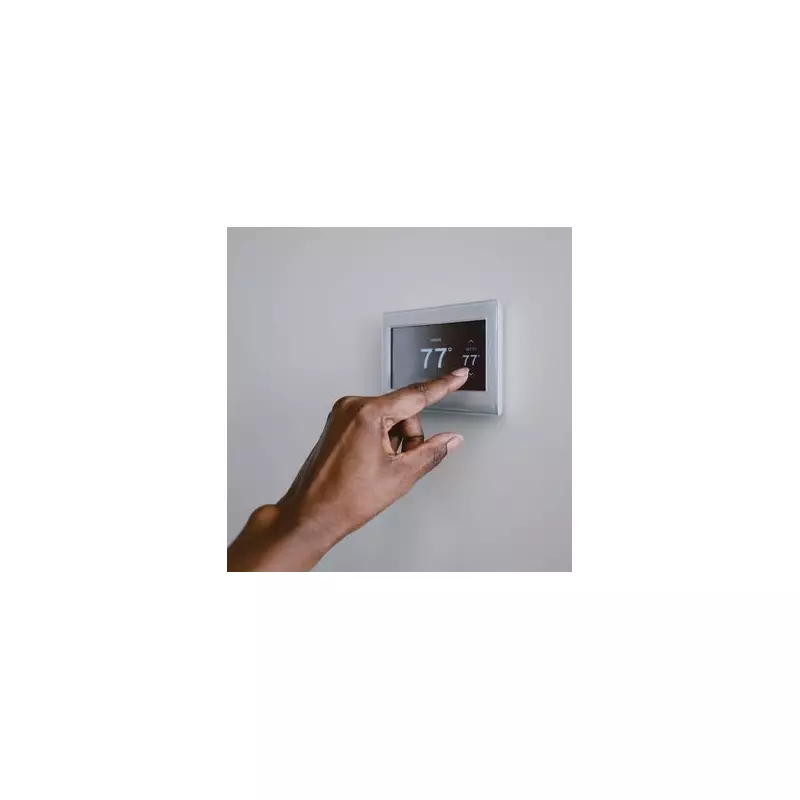
Durrant identifies the single most damaging mistake as setting the heating too low or switching it off completely when a property is unoccupied. This is especially risky with older storage heating systems that may struggle to maintain a minimum temperature during severe cold.
"That's when pipes freeze," Durrant warned. The danger is magnified for holiday homes and holiday lets, which can remain vacant for long periods before a leak is discovered. Many insurance policies for such properties have specific winter requirements mandating minimum temperatures and regular inspections.
Unoccupied homes face the greatest vulnerability. "If no one is there to catch a leak early, the damage is massive," Durrant added, citing cases of significant structural damage. He also cautioned that insurers have rejected claims where policyholders failed to meet the minimum temperature conditions set out in their contracts.
Essential Steps to Protect Your Home
To avoid becoming a statistic, homeowners are urged to take proactive measures this winter:
- Test the ballcock valve in your loft tank, as a faulty valve is a primary cause of major overflows.
- Inspect your loft for signs of previous leaks, such as damp patches or wet insulation, which could worsen in freezing weather.
- Check lagging on pipes and the tank; thin or missing insulation is a major freeze risk during cold snaps.
- Maintain a safe loft temperature by avoiding setting your heating too low or turning it off entirely, even when away.
- Arrange for property inspections during any absence. A quick check of the loft can identify issues days before water damage becomes visible in living areas.
As temperatures continue to drop, Durrant emphasises that this issue represents the primary winter hazard for UK homeowners. "A small heating tweak can save tens of thousands of pounds," he stated. "It's the easiest decision you'll make all winter."






