

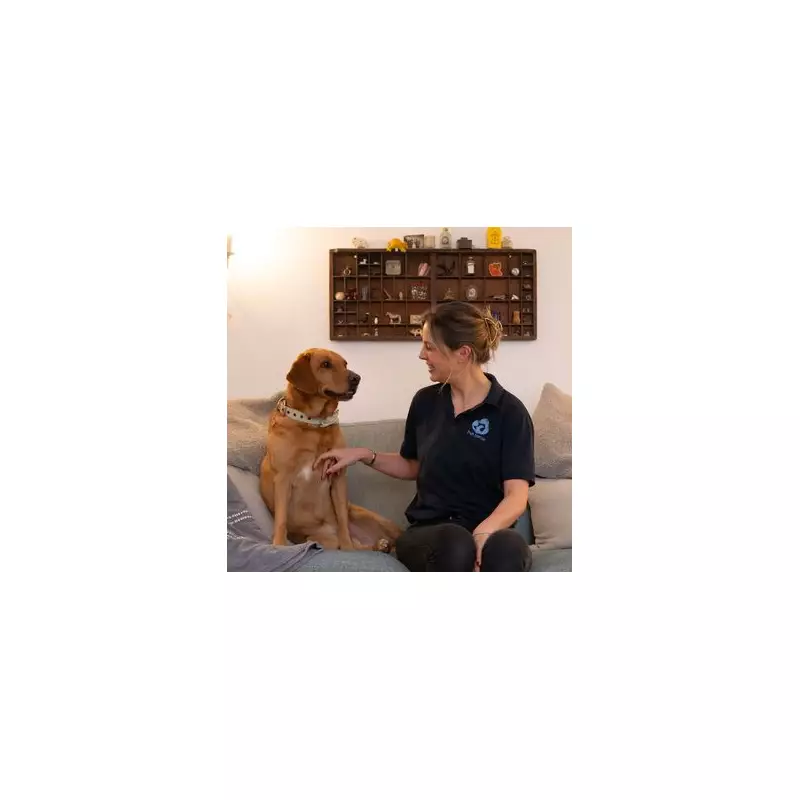
For generations, the adage "you can't teach an old dog new tricks" has been accepted as fact. However, a leading canine expert has now definitively debunked this myth, proving that our senior furry friends are more than capable of learning.
The Truth About Ageing Canine Minds
Rosie Bescoby, a clinical animal behaviourist with over two decades of professional experience, insists that older dogs never truly lose their capacity to learn. She argues that introducing new challenges is crucial for an elderly pet's mental stimulation and can significantly enhance the bond with their owner.
"Where they might not be able to get as much physical exercise as they used to, we're keeping their lives stimulated and enriched by doing so," explained Rosie, who has partnered with lifetime pet insurance provider Petgevity for this advice. She notes that a common misconception is that because a dog has slowed down physically, its mind has deteriorated. "This doesn't mean they're incapable of learning new things," she asserts.

Five Engaging Tricks for Your Senior Companion
Rosie emphasises that the key to successful training is understanding what motivates your individual dog, whether it's a favourite treat, part of their dinner, or a beloved toy. The reward must be enticing but not so exciting that it breaks their concentration. She has outlined five straightforward tricks perfect for older dogs.
Nose to Hand Touch
This trick is excellent for dogs with hearing loss, as it provides a clear visual recall signal. Start by placing a treat between your fingers and holding out your hand. Lower your hand to your dog's level to encourage them to touch it with their nose. Repeat three to five times before removing the treat. Once mastered, you can practice from increasing distances.
Middle Position
Ideal for dogs who find sitting difficult, this involves luring your dog to walk behind you and then back through your legs. Use a treat in your hand to guide them around the back of your legs, then transfer the lure to your other hand to lead them through the middle. Gradually phase out the treat once they understand the movement.
Spin
A classic trick that can be adapted for any physical limitations. Lure your dog in a circular motion with a treat or toy, moving at their pace. Introduce the verbal cue "spin" and ensure the circle is wide enough for them to turn comfortably. Eventually, you can just use the hand motion without a lure.
Shake
Dogs naturally shake, so this is about adding a verbal cue. Gently ruffle your dog's coat and say "shake" just as they are about to perform the action. With repetition, they will learn to associate the word with the behaviour, which is useful for drying off before coming indoors.
Go to Bed
Frame your dog's bed as a positive space by placing a treat inside each time and using the cue "bed". Once they reliably go to bed, increase the distance they must travel, turning it into a fun game that reinforces the bed as a great place to be.
Celebrating and Insuring Our Older Dogs
A spokesperson for Petgevity, which provides lifetime policies for pets of any age and covers most pre-existing conditions, commented on the findings. "Rosie has revealed that there is very much life in the old dog yet," they said. "These simple-to-execute tricks hopefully bring you and your older pooch even closer together."
The spokesperson also addressed a perceived bias, stating, "There is perhaps an element of ageism when it comes to animals... but we're here to stand with our older four-legged friends and help them live longer and healthier lives." The overarching message from Rosie Bescoby and Petgevity is clear: age should never be a barrier to learning, bonding, or enjoying a full and enriched life with your beloved pet.






