UK Inflation Surges to 3.3% as Iran War Drives Up Fuel and Energy Costs
UK Inflation Hits 3.3% Amid Iran War Fuel Price Spike

UK inflation has surged significantly, with the Consumer Prices Index (CPI) reaching 3.3% in March, up from 3% in February, according to the Office for National Statistics. This increase marks the first time inflation data has incorporated the economic effects of the ongoing conflict in Iran, which has disrupted global oil supplies and sent fuel prices soaring.

Impact of the Iran War on Fuel Prices

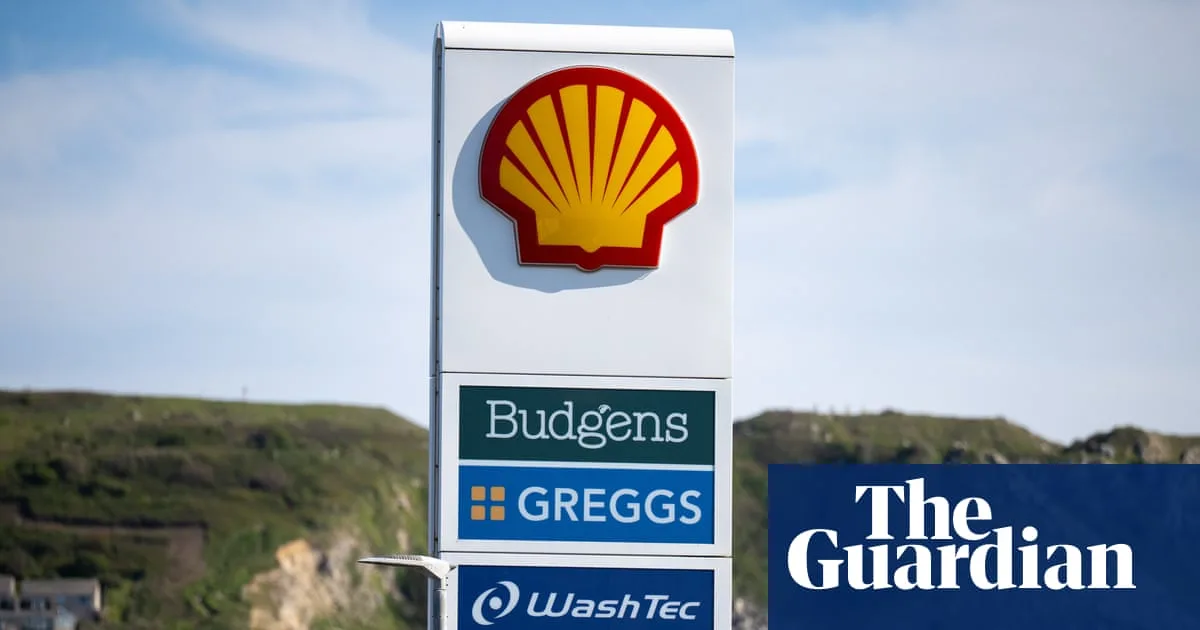
The war in Iran has led to a sharp rise in oil prices, primarily due to disruptions in the Strait of Hormuz, a critical shipping route. This has directly translated into higher costs for petrol and diesel at UK forecourts. Recent data from the RAC shows that the average price of petrol stands at 157.57p per litre, while diesel is at 190.13p per litre. Although these figures have slightly decreased from recent peaks of 158.31p for petrol and 191.54p for diesel, they remain substantially elevated compared to pre-war levels in late February, when averages were 132.83p and 142.3p, respectively.

Broader Economic Implications

The Bank of England has projected that inflation could climb as high as 3.5% by the third quarter of this year, exceeding its 2% target. This forecast comes amid expectations of rising energy prices this summer, driven by increases in wholesale gas costs. The Ofgem price cap, currently set at £1,641 annually for a typical household, is predicted by analysts at Cornwall Insight to rise to £1,836 from July, further straining consumer finances.

Wide Pickt banner — collaborative shopping lists app for Telegram, phone mockup with grocery list

Understanding Inflation and Its Measurement

Inflation measures the rate at which the prices of goods and services increase over time. For instance, with a 3% inflation rate, an item costing £1 last year would now cost £1.03. It is crucial to note that a decrease in inflation does not mean prices are falling; rather, it indicates they are rising at a slower pace. The ONS calculates inflation using a regularly updated "basket of goods" that reflects typical household purchases, with the headline figure representing an average that may vary for individual items.

Link Between Inflation and Interest Rates

The Bank of England base rate, which influences borrowing costs, remains at 3.75%, unchanged since December 2025. The Bank has held this rate in its last two meetings in February and March 2026, with analysts suggesting further reductions are now less likely due to inflationary pressures. Historically, the base rate peaked at 5.25% during the cost-of-living crisis and has been cut six times from that level.

The Bank uses interest rates to manage inflation, aiming to keep it near the 2% target. Higher rates make borrowing more expensive, reducing consumer spending and demand, which can help lower prices and curb inflation. However, this policy has increased mortgage payments for millions of homeowners, adding financial pressure on households. In contrast, the base rate was as low as 0.1% in December 2021, highlighting the significant shifts in monetary policy over recent years.

As the UK grapples with these economic challenges, the interplay between geopolitical events like the Iran war and domestic financial policies continues to shape the inflation landscape, affecting everything from fuel costs to household energy bills.

Pickt after-article banner — collaborative shopping lists app with family illustration




