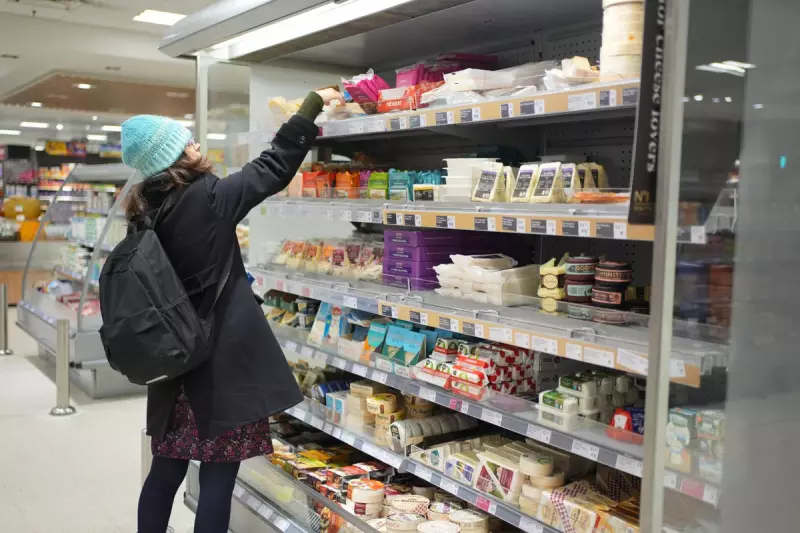
Fresh figures have revealed a concerning uptick in shop price inflation across the UK during the crucial December trading period, with escalating food costs placing significant strain on household finances.
Food Costs Outpace General Inflation
According to newly published data from the British Retail Consortium (BRC) and NIQ, overall shop price inflation rose to 0.7% in December. However, this figure masks a far steeper increase in the cost of groceries. Food inflation accelerated to 3.3%, up from 3% recorded in November, and dramatically outstripped the wider inflation rate.
The situation was even more pronounced for fresh produce. Fresh food inflation climbed to 3.8% in December, rising from 3.6% the previous month. This rate, however, remained slightly below the three-month average of 3.9%.

Deflation in Non-Food Categories Offers Some Relief
In contrast to the rising cost of the weekly shop, prices for non-food items continued to fall. Deflation in this category held steady at 0.6%, as retailers offered widespread promotions to attract Christmas shoppers. Popular gifting areas such as toys, books, and home entertainment saw particularly keen pricing.
Helen Dickinson, Chief Executive of the BRC, commented on the mixed picture for consumers. "Shop price inflation edged up in December as food prices rose at a faster rate," she stated. "Nonetheless, shoppers still found plenty of value across many Christmas essentials including vegetables, cheeses, and alcohol, helping households to enjoy the festive season."
Retailers Brace for a Cautious 2026
Looking ahead, industry leaders warn of persistent challenges. Dickinson noted that while falling energy prices and improved crop supply should help ease some cost pressures, increased public policy costs and regulation are likely to keep inflation sticky throughout the coming year. She affirmed that retailers "will continue to do all they can to keep prices down."
Mike Watkins, Head of Retailer and Business Insight at NIQ, highlighted the cautious mood among shoppers. "This Christmas, shoppers remained cautious, prioritising affordability," he said. "Retailers worked hard to encourage spending by keeping supply chain price increases to a minimum, and many food retailers reduced prices in December to support demand."
Watson's outlook for 2026 suggests a continued focus on value. "Although inflation has peaked, weak shopper sentiment is likely to persist, so shoppers will continue to seek out lower prices and promotional offers," he concluded. The data underscores an ongoing period of financial pressure for UK consumers, with the cost of living crisis continuing to shape spending habits.