
More than 600,000 homeowners in the UK may be at risk from so-called 'zombie mortgages' – loans that were thought to be settled but have been resurrected by debt collectors, according to a 2025 Bloomberg News investigation. These mortgages, often second mortgages or home equity lines of credit, were written off during the 2008 financial crisis but are now being pursued aggressively as property values have soared.
Attorney Leslie H. Tayne, a debt and finance expert, explained that rising home equity has made these debts more valuable to collect. 'Since home values have increased in recent years, and some homeowners have built significant equity, these liens and second mortgages have become more valuable to collect,' she said. Debt collectors often wait years for homes to gain equity before enforcing collection, sometimes leading to foreclosure without warning.
The issue stems from the chaos of the 2008 Great Recession, when risky lending practices led to a housing market crash. Many homeowners had second mortgages, and some lenders sold these debts to collectors without informing borrowers. Collectors then sat on the debt, waiting for property values to recover. With home equity in the US rising from $5.3 trillion in 2009 to nearly $17 trillion today, these 'zombie' loans have been revived.
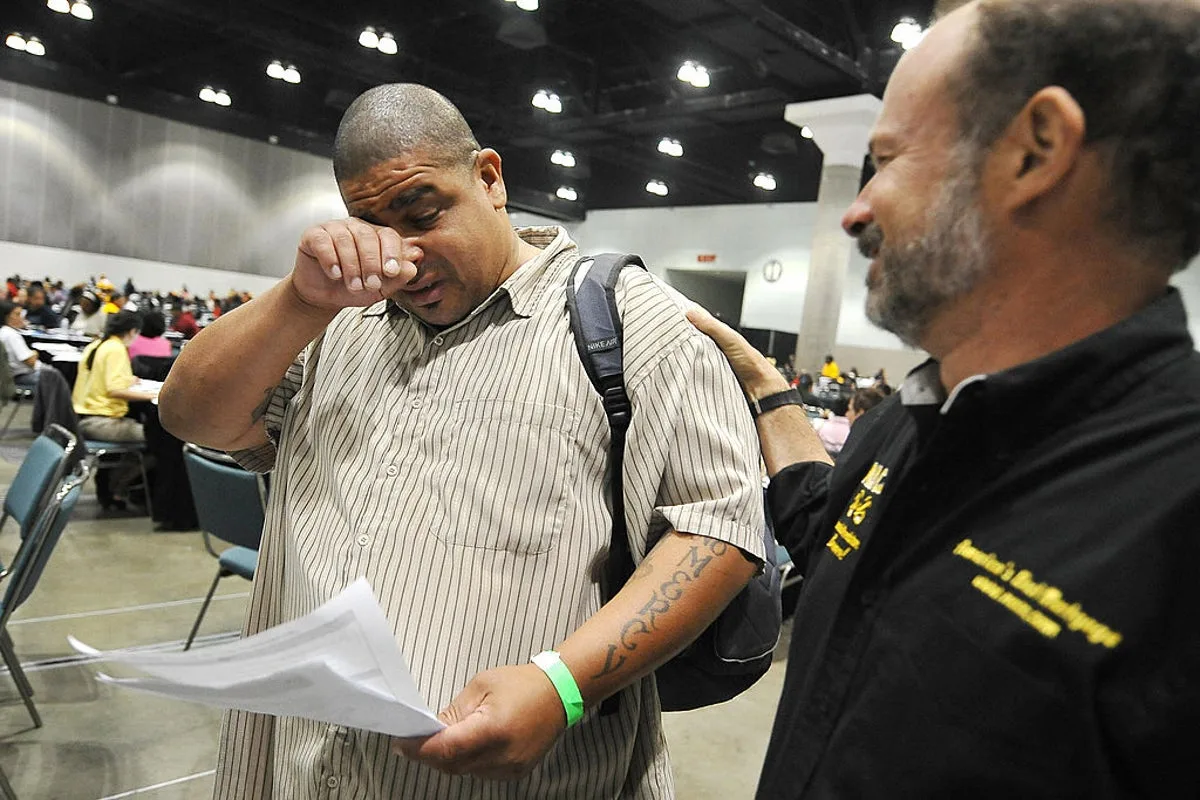
Maryland resident Terence Hardin experienced the harsh reality of zombie mortgages. After taking out a $35,000 second mortgage in 2006, he believed a loan modification had consolidated his debts. However, in 2023, a debt collector who had bought his second mortgage foreclosed on his home without notice, leading to his eviction. 'All of the equity that I have built in my house was stolen right out from under us,' he told PBS.
Experts advise homeowners contacted by debt collectors about zombie mortgages to request written validation of the debt. Debt agencies are legally required to provide this information, which can help identify scams. Checking credit reports and home loan documents is also recommended to ensure no old debts have been overlooked.




