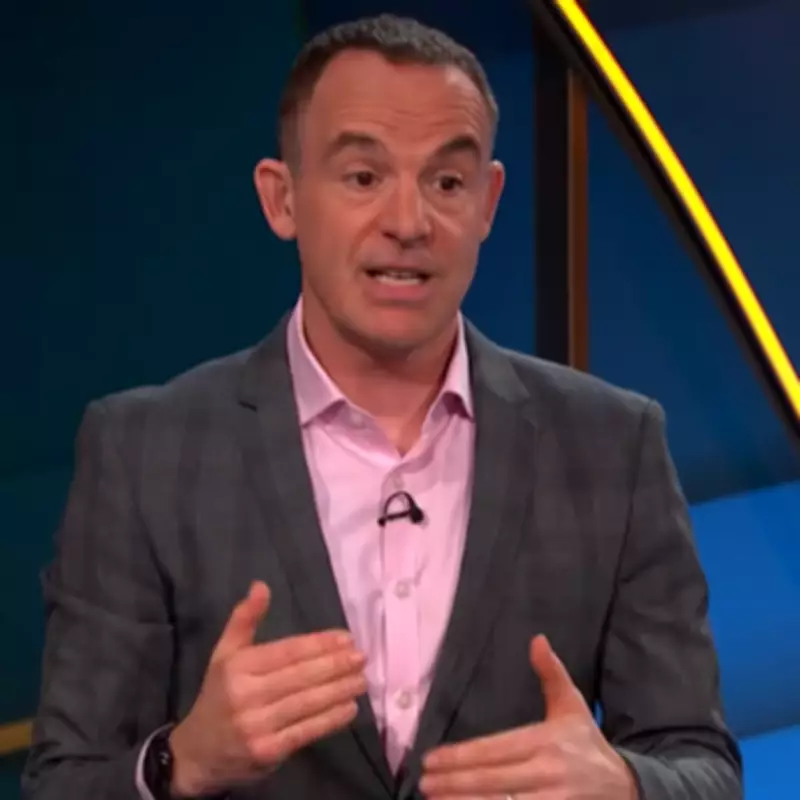
Martin Lewis Sounds Alarm on Inheritance Tax Rules for Family Gifts
Personal finance expert Martin Lewis has issued a stark warning to individuals considering gifting money to relatives, emphasising the importance of understanding the '£3,000 rule' and its implications for inheritance tax. During a recent episode of his BBC podcast, Lewis delved into the complexities of inheritance tax planning, cautioning that well-intentioned financial support could inadvertently trigger tax liabilities if not managed correctly.
The £3,000 Annual Gift Allowance Explained
Lewis highlighted a key provision known as the 'large gift allowance', which permits individuals to give away up to £3,000 per tax year without incurring inheritance tax. This allowance can be allocated to a single recipient or distributed among multiple people. Crucially, if the allowance was not fully utilised in the previous tax year, it can be carried forward, enabling a gift of up to £6,000 in the current year without tax consequences.
"This is outside of the 7-year rule and the surplus income rule," Lewis clarified. "You, as an individual, can give up to £3,000 per tax year without paying inheritance tax."

The Critical Importance of Record-Keeping
Lucie Spencer from Evelyn Partners, who joined Lewis on the podcast, stressed the necessity of meticulous documentation for all gifts. She advised maintaining detailed records, such as a spreadsheet or written notes, stored alongside one's will. This practice is essential because executors must declare all gifts made in the years leading up to death when completing inheritance tax forms.
"I recommend with all gifts—whether it's the small gift allowance of £250, the large gift allowance of £3,000, or any other gifts—that they are written down and held with your will," Spencer emphasised. "Definitely make a note of it and specify 'large gifts allowance for this tax year.'"
Understanding the 7-Year Rule and Other Allowances
Inheritance tax rules stipulate that gifts made more than seven years before death are generally exempt from tax. However, gifts within that timeframe may be subject to taxation if they exceed allowable thresholds. Lewis and the experts also discussed additional allowances, including the £250 'small gift allowance', which permits unlimited gifts of up to £250 per person per tax year, provided no other gift is made to the same individual.
Spencer illustrated this with an example: "I could stand on a street corner and give £250 to as many people as I wish. What I can't do is give a person £1 more. So if I were to give you £250 in this tax year, I can't come back and say 'have another £50 on top of that.'"
Special Occasion Gifts and Timing for Financial Planning
The podcast also covered special occasion allowances for weddings or civil partnerships. Parents can gift up to £5,000 tax-free, grandparents up to £2,500, and other individuals up to £1,000. This provides a valuable opportunity for tax-efficient giving during significant family events.
When asked about the ideal age to start keeping records, tax barrister Harriet Brown suggested early 40s, while Spencer recommended beginning in one's 50s, particularly after receiving an inheritance when wealth may increase. This proactive approach ensures compliance and optimises financial planning for future generations.
In summary, Martin Lewis's advice underscores the need for awareness and diligence in gifting practices. By leveraging allowances like the £3,000 rule, maintaining thorough records, and understanding the 7-year threshold, families can navigate inheritance tax regulations effectively and support their loved ones without unexpected tax burdens.