
Mahmood Frontrunner for Chancellor Amid Business Skepticism
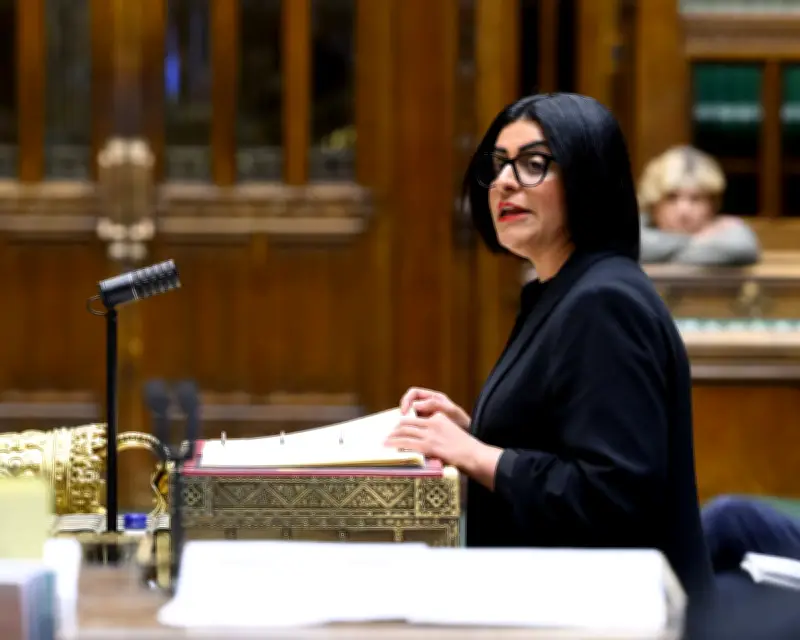
Shabana Mahmood, the home secretary, has emerged as the leading candidate to become chancellor under incoming prime minister Andy Burnham, sparking confusion among business leaders and Labour insiders who question her economic credentials. Mahmood, who lacks experience in economic or business-facing departments, is viewed as an "unknown quantity" by many in the corporate world, according to a FTSE 250 insider.
The emergence of Mahmood follows a briefing battle with energy secretary Ed Miliband, who was initially seen as the favorite. Miliband's strong backing for net-zero targets had alarmed some business figures, who feared his left-leaning reputation could hinder job creation. One public affairs boss at a large manufacturer expressed relief at Mahmood's rise, stating, "I can't see how it would work with Miliband at the Treasury because of his personal ambitions in terms of net zero."
Lack of Business Engagement Raises Concerns
Few business leaders have dealt directly with Mahmood, as the Home Office reported no meetings between her and individual companies during her tenure. A senior lobbyist noted she "probably wouldn't be the worst but I'd like someone who's more dynamic and more into business," emphasizing the chancellor's role in setting conditions for UK firms. The lobbyist warned against choosing a chancellor "just to give people jobs and move people around" for Labour's political management.
One exception is the security industry, which manages much of the UK's immigration and justice system. An industry insider described Mahmood as a "straight talker, reads her briefs and well respected by officials," hoping her exposure to security realities might increase funding compared to predecessor Rachel Reeves.
Internal Labour Divisions Over Choice
Senior Labour figures have voiced strong opposition to Mahmood's potential appointment. One figure pushing for Miliband called it a "disastrous choice," citing "no economic background or clear ideas on how we turn the economy around. Stakes are too high. Big mistake if this is where it's headed." Others suggested Yvette Cooper, the foreign secretary, as a compromise candidate, while some criticized Mahmood as "more divisive than Ed" and lacking economic vision, risking "Treasury capture and market credibility."
Despite the criticism, markets reacted positively to reports of Mahmood's likely appointment. The pound rallied and government borrowing costs dipped, as investors assumed less radical policies or lower borrowing levels under Mahmood compared to Miliband.
Burnham's Team and Policy Signals
Burnham's inner circle is shifting ahead of his move to Downing Street, with several economic policy advisers not expected to remain. Miatta Fahnbulleh, Richard Hughes, Jim O'Neill, and Andy Haldane are unlikely to hold formal roles. One adviser suggested Mahmood's selection could signal a shift toward centrist and "Blue Labour" MPs, who advocate a hardline stance on immigration combined with leftwing industrial policy.
A disappointed Burnham ally speculated the move was driven by fear of setting up an alternative power base in No 11, saying of Miliband: "He's not going to be a supplicant next door." The ally added that if Burnham is serious about rolling back neoliberalism, Ed Miliband is the candidate. The final decision is expected Monday, with some insiders warning the choice could still change.




